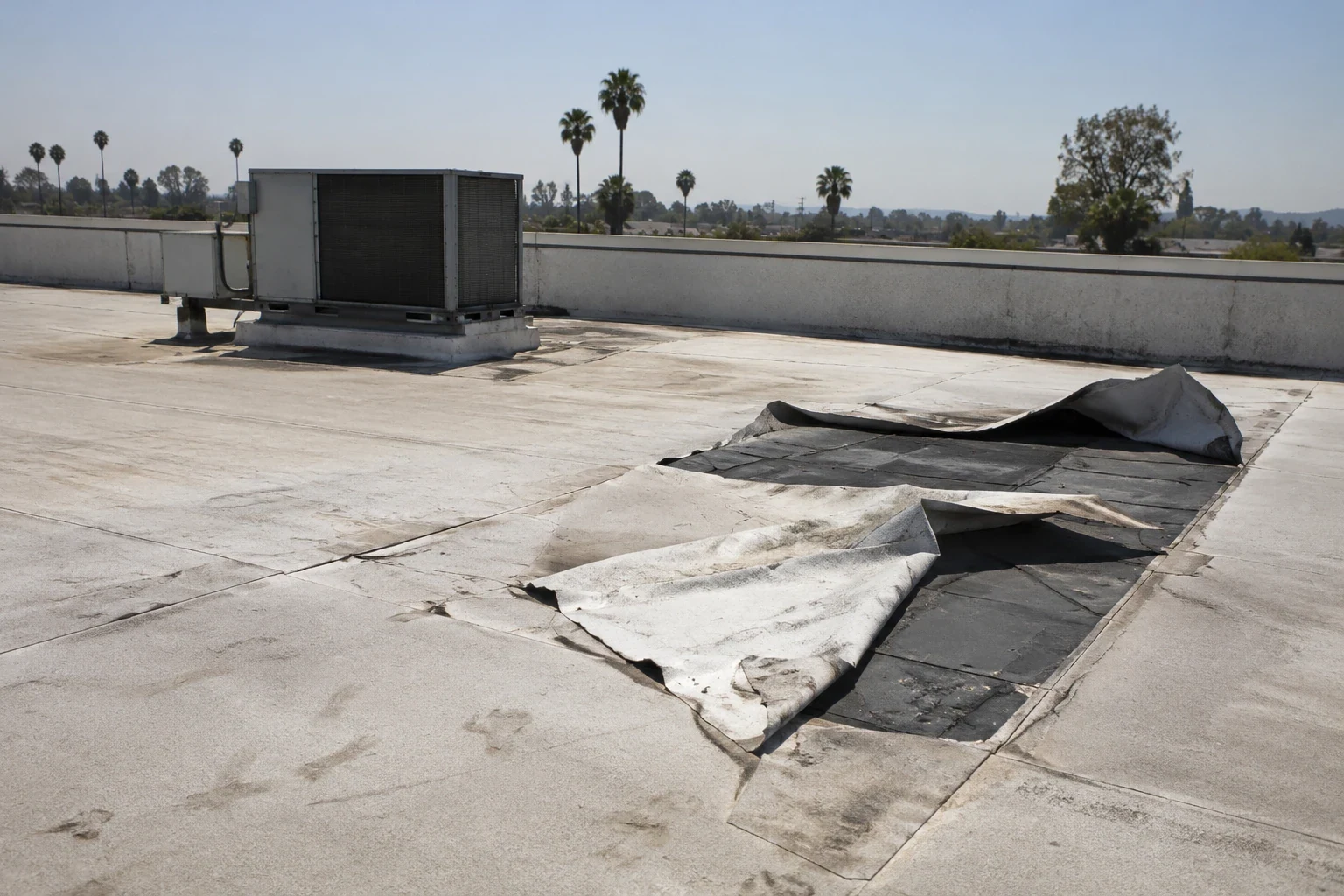
Wind Damage Roof Repair
Inspect Cape Coral commercial roofs for wind-lifted edges, loose flashing and membrane damage. Get a documented repair scope after severe weather.

Commercial roof repair, restoration
and replacement in Cape Coral, FL
A roof leak may begin at a failed seam, a loose flashing or a drain connection several feet from the interior mark. We inspect the assembly, map the water path and record what can be confirmed before defining a repair limit. In Cape Coral, summer heat, humidity and heavy rain affect how exposed materials behave and when a surface is ready for repair.
Dated roof photographs and repair notes help compare conditions after severe weather; at Pine Island Road, South Cape or another property, the inspection establishes the actual repair boundary. A repair scope should name the failed detail, adjoining assembly, temporary protection and conditions that still need testing.
Inspect Cape Coral commercial roofs for wind-lifted edges, loose flashing and membrane damage. Get a documented repair scope after severe weather.
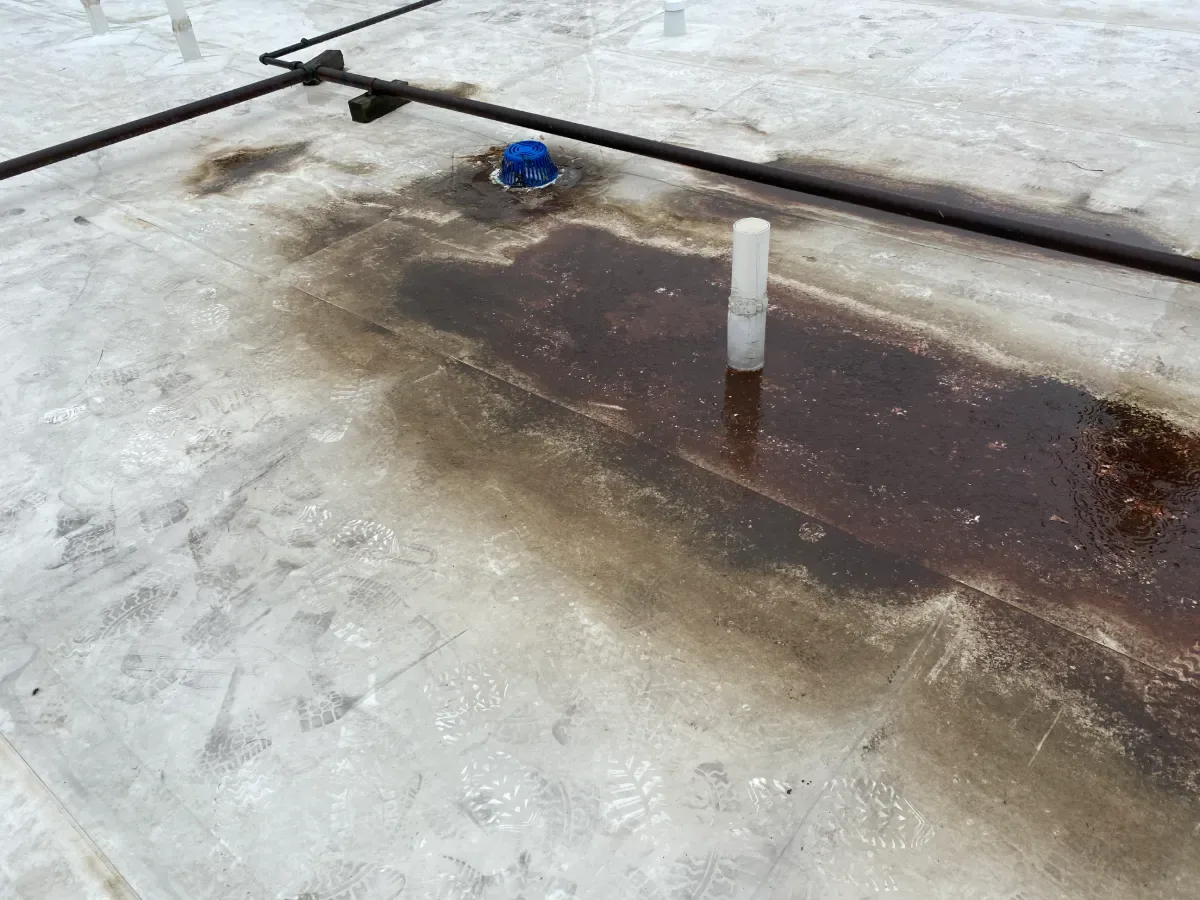
Find why water remains on a Cape Coral commercial roof. We inspect drains, slope, insulation and deck conditions before defining ponding-water repairs.
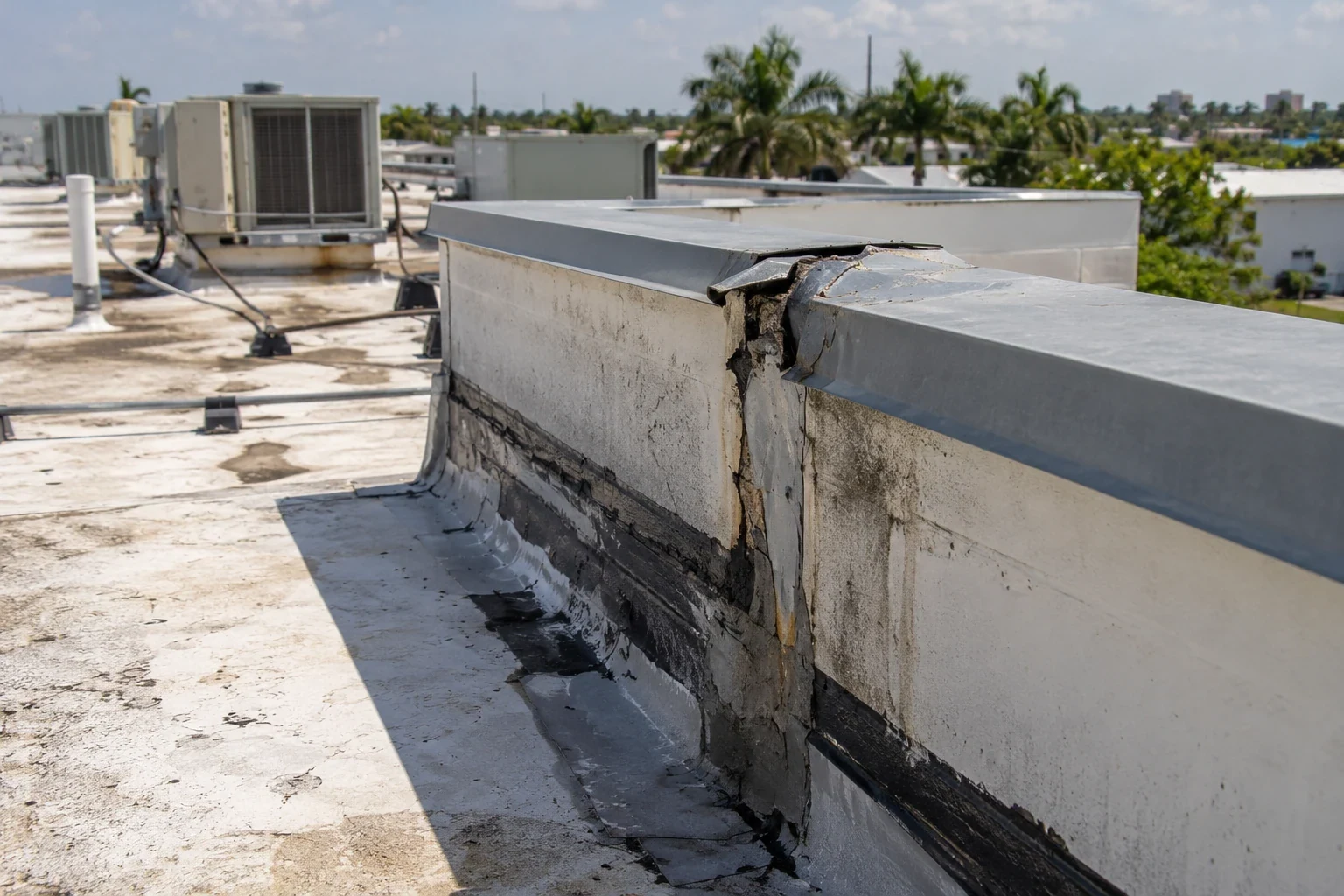
Repair failed commercial roof flashing in Cape Coral by tracing the leak, checking adjacent materials and rebuilding the transition for lasting water control.
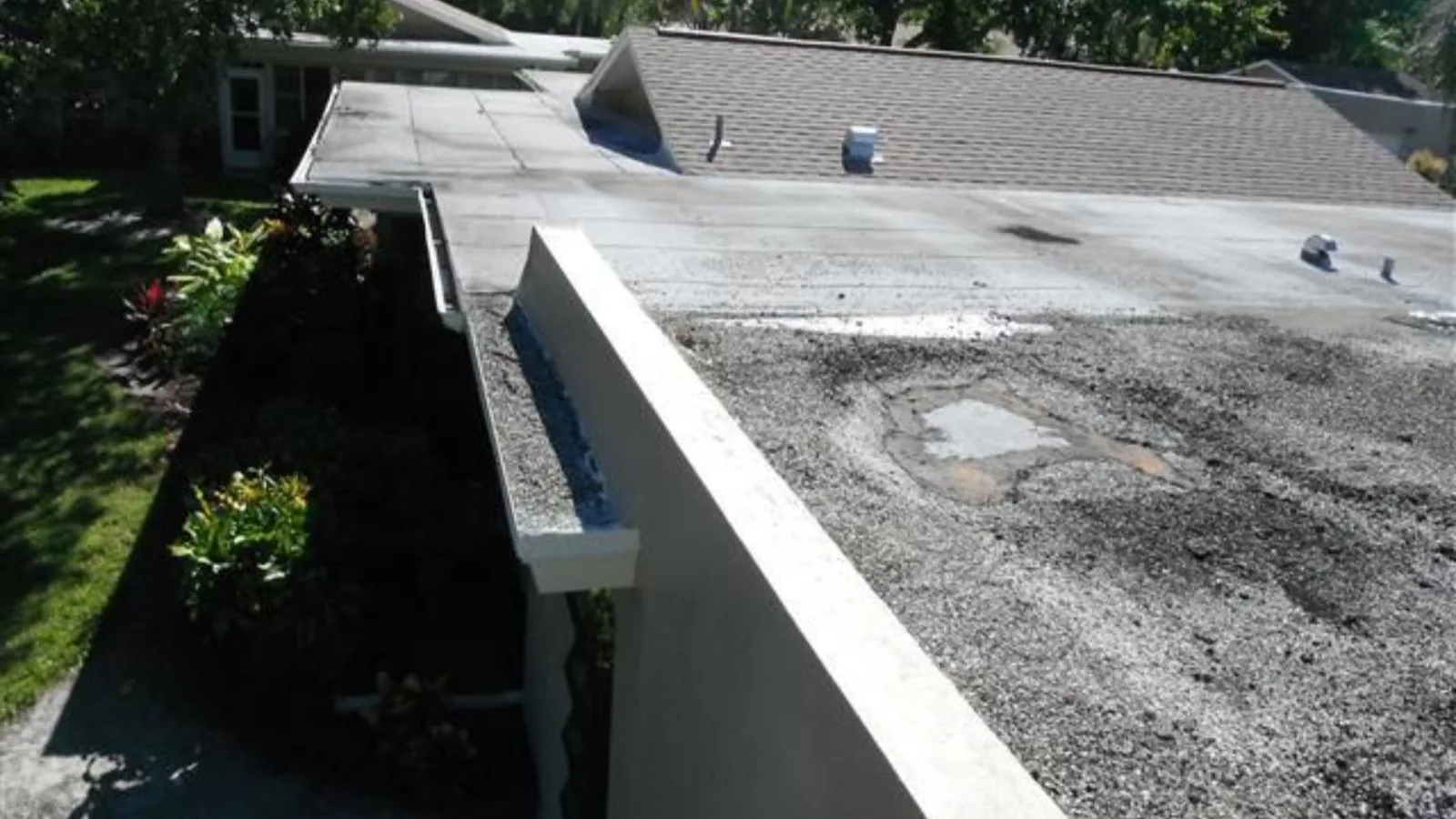
Repair split or open commercial roof seams in Cape Coral. We inspect the membrane, adjoining details and moisture before setting the repair boundary.
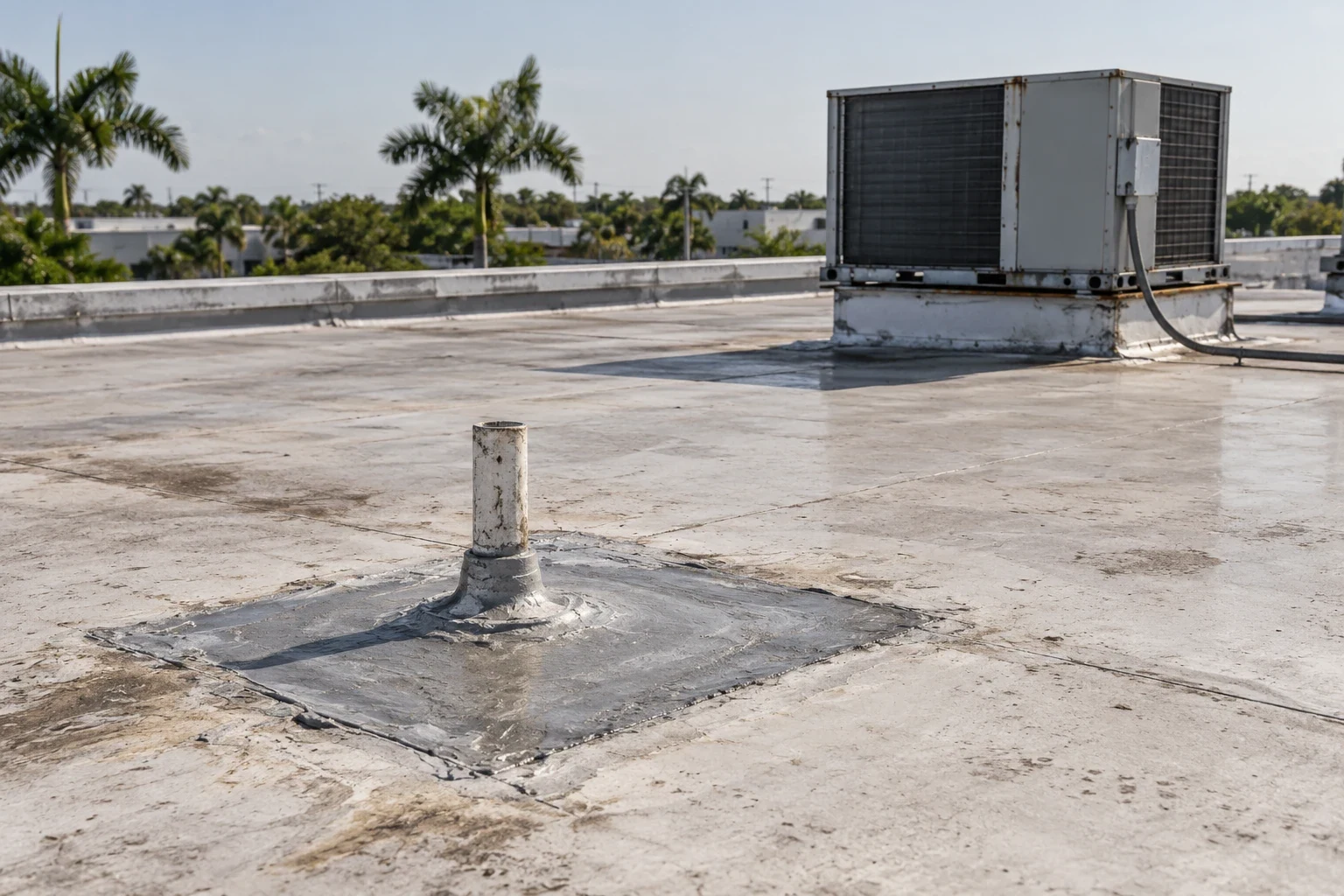
Repair commercial roof punctures in Cape Coral by tracing the entry point, checking wet insulation and restoring a compatible membrane patch.
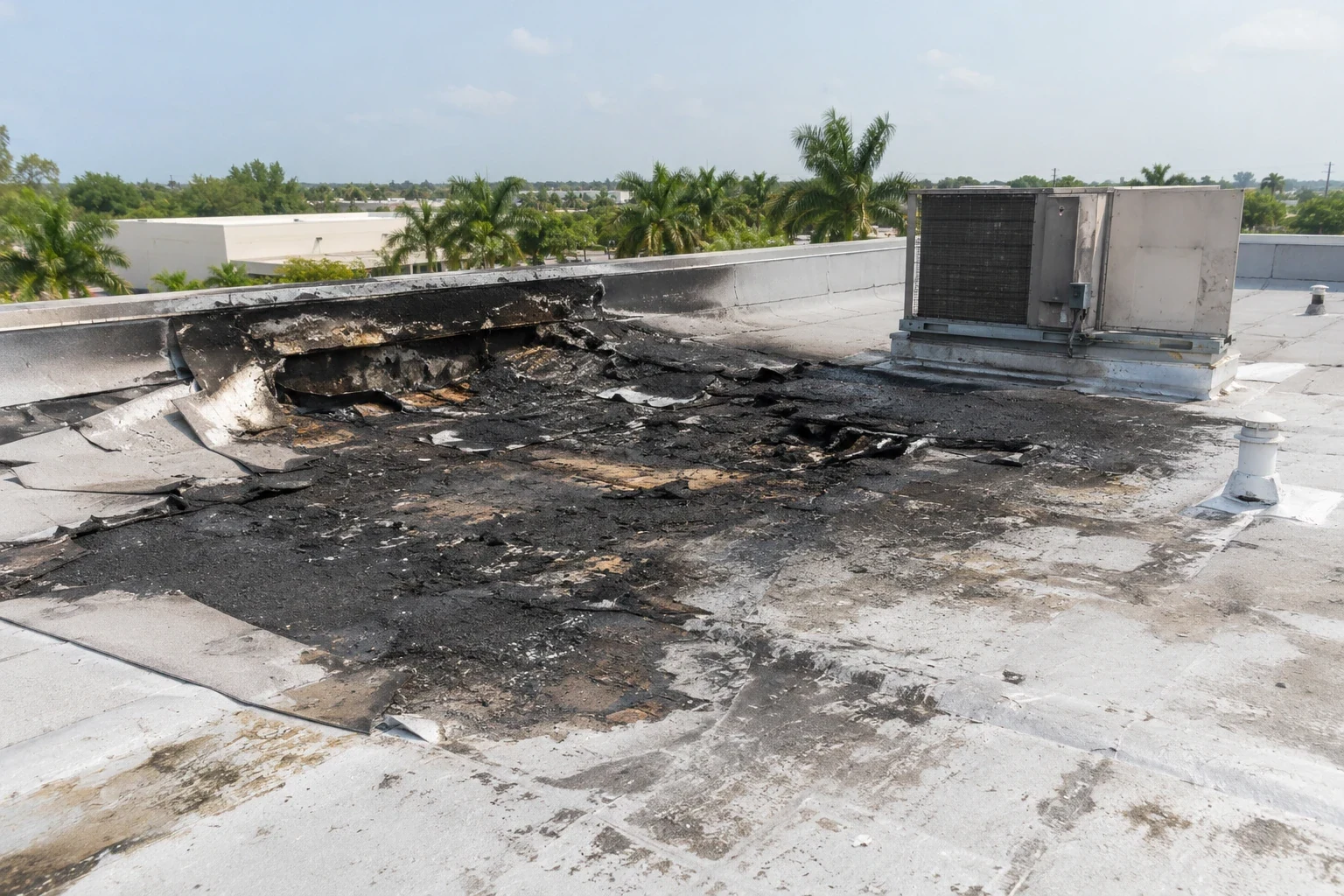
Assess Cape Coral commercial roof fire damage for heat, smoke, suppression water and compromised membrane. Get a documented repair and closeout scope.
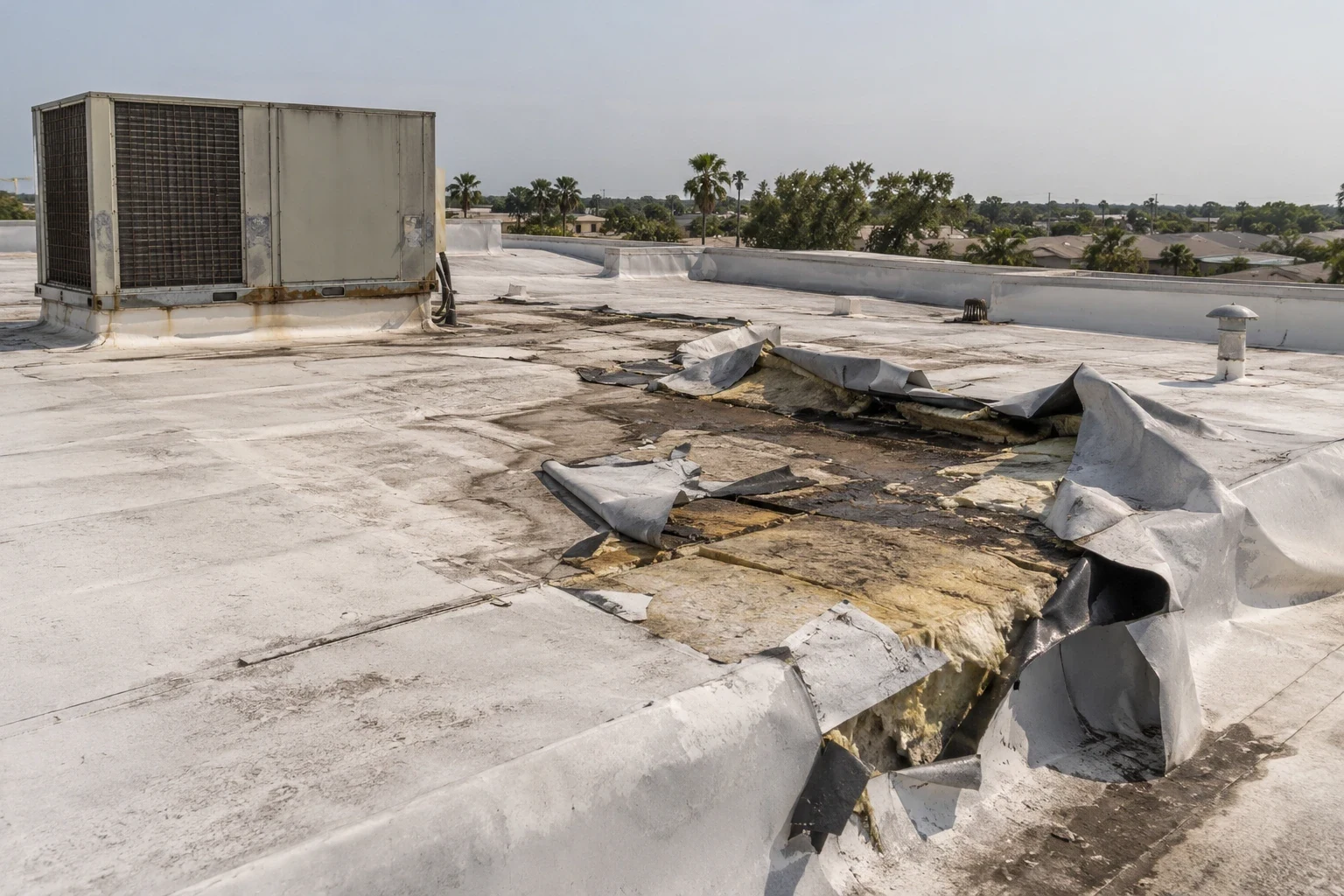
Inspect Cape Coral commercial roofs after hurricanes for lifted edges, open seams, debris impacts and water entry. Get a documented recovery scope.
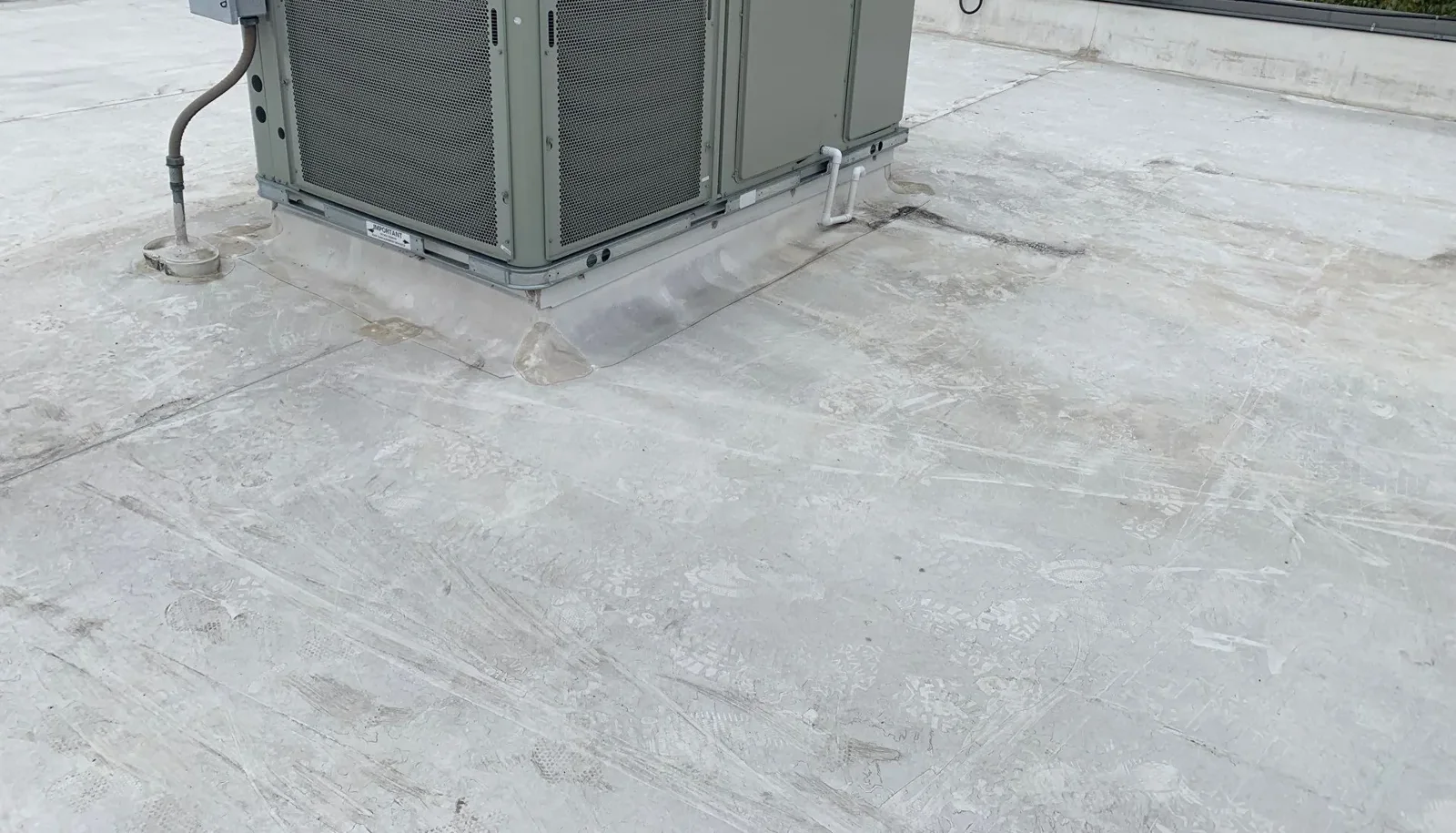
Address heat and UV wear on Cape Coral commercial roofs with a system-specific inspection, prepared repairs and a clear coating or replacement decision.
We inspect membrane seams, edge metal, penetrations, drainage, rooftop equipment and prior patches, then compare those details with the leak report. A commercial roof inspection documents findings and access limits. If moisture is suspected, testing can guide where an opening or repair is warranted.
Wind can expose loose perimeter details; ponding can signal a blocked drain or a low area; heat and UV can age exposed material. Those conditions need distinct scopes. At a wind-damaged perimeter, check attachment; persistent ponding calls for outlet and slope review, while a heat-worn membrane needs material and substrate inspection before repair.
A split at flashing, a separated lap, or a puncture each requires different preparation and tie-in. Our flashing repair, seam repair and membrane puncture repair scopes identify the defect, adjoining material, compatible repair and closeout check. A patch should connect to prepared, sound material.
If there is a fire event or storm-related opening, protect the building and document the exposed condition. We can coordinate fire damage assessment and hurricane roof repair with the owner and relevant trades.
For a roof opening that is still admitting water, owners can reach our team day or night, including weekends and holidays. We arrange safe access, protect the affected area and record what remains for permanent repair.
Daily closure matters in Cape Coral's rain. Open only what can be secured before work stops, check drains and temporary laps, and protect occupied rooms, stock or equipment below. A roof condition record can include photographs and observations without overstating cause or coverage.
Localized damage may remain a repair when surrounding insulation, deck and attachment are sound. Moisture across multiple zones, repeated defects or deteriorated substrate can require testing and a broader comparison. A written repair scope states the limit and exclusions; a replacement review compares the full assembly if localized work no longer addresses the condition.
Provide the building address, leak history, roof plan and access limits. We will map the findings, explain what is confirmed and set a repair plan around the facility's operating schedule.
No. Regional weather history does not prove a condition at an individual property. We inspect the roof, compare dated records and document damage that is visible or confirmed by testing.
We provide emergency response around the clock and can assess temporary protection based on safe access and field conditions. The report distinguishes temporary measures from permanent repair work.
Recurring failures, wet insulation across separate areas, deteriorated deck or widespread attachment concerns can change the decision. We document testing and compare the repair boundary with renewal options.
No. We trace the finding to accessible roof details and identify whether testing or an opening is needed before setting the permanent repair limit.
Share the property address, leak timing, photographs, roof records and access requirements. We will inspect the assembly and define a supported repair scope.
Notifications