
Evaluate silicone roof coating in Cape Coral through adhesion, substrate moisture, ponding, preparation and the condition of existing roof details.
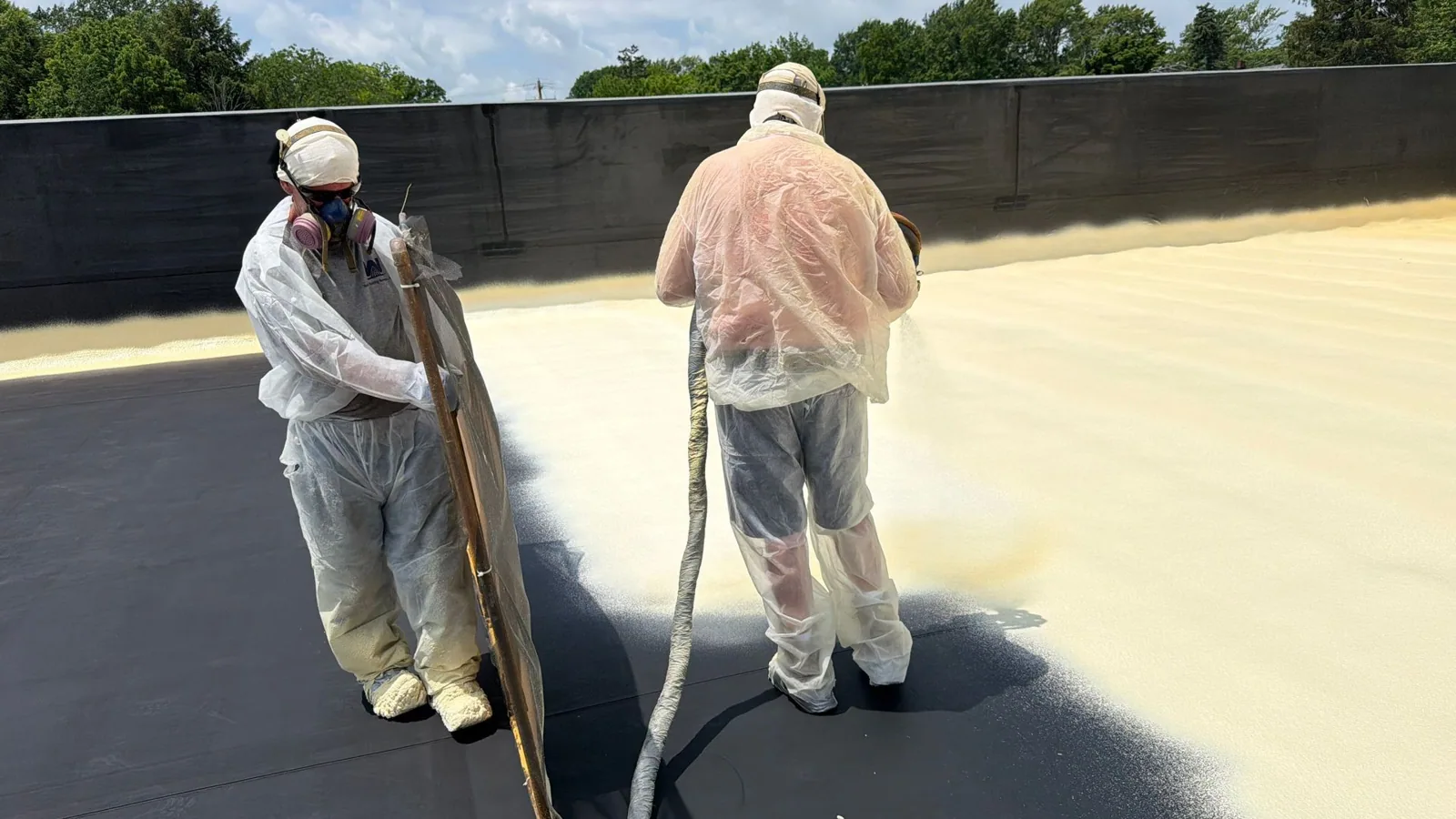
A silicone coating that releases at a drain or curb needs a substrate check before another layer is applied. We inspect adhesion, existing coating, moisture and the detail where the surface separates, then decide whether preparation and repair can restore a suitable base. Silicone is a liquid-applied roof coating used over compatible existing assemblies; its performance depends on surface condition, coverage and detail work. In Cape Coral, FL, seasonal rain and persistent humidity make dry preparation and a sound drainage path central to the work. A coating scope should state which roof areas are suitable and which need repair or removal first.
Commercial property at Cape Harbour includes retail, restaurants, homes and marina uses near open water. A waterfront setting can make exposed metal and transitions worth inspecting, but the building's actual coating and substrate determine the preparation plan. We check each roof zone directly before recommending restoration.
Check the Existing Roof Before Coating
Begin with the current roof surface, not the coating pail. Identify membrane or metal type, prior coatings, patches, repair history and areas of standing water. We inspect for loose material, blisters, cracks, exposed reinforcement, rust, open seams and failed flashings. A coating can bond only where the surface is compatible and stable. If wet insulation, a loose membrane or a corroded panel remains below, a new top layer may hide the symptom without correcting the assembly.
Adhesion testing on representative areas helps determine whether cleaning, primer or a different system is required. We document the test location and result, then map transitions and details that need reinforcement. Infrared patterns can guide moisture sampling, but testing must confirm the condition below the surface. A commercial roof inspection can identify the areas that need repair before coating and preserve locations for future comparison.
The program at Cape Coral Grove includes planned retail, dining, hotel and residential buildings. Coordinate access and staging with each building’s actual use, then inspect its roof coating and substrate before recommending restoration.
Preparation and Detail Reinforcement
Cleaning removes dust, biological growth, chalking, oil and loose coating that can interfere with adhesion. We select the preparation method for the roof material and contain debris away from drains and occupied areas. Rusted metal, open seams, punctures and failed flashing need correction before the field coating is applied. Reinforcing fabric may be used at changes in plane, seams or penetrations where the system detail requires it. The scope identifies which details receive extra work and how the base surface will be tested.
Edges, curbs, drains and skylights take more than a uniform spray pass. We check termination bars, counterflashing, metal condition and sealant, then prepare each connection for the coating system. A coping and edge review can define metal repairs separately. If a seam is open or a penetration has active water entry, a roof repair should correct that condition before the coating crew proceeds.
Roof drains must remain clear through preparation and application. A drainage check can identify blocked outlets or low areas where additional work is needed. Silicone can tolerate standing water better than some coating chemistries, but ponding still deserves review because it may indicate a slope or insulation problem and can leave debris or contaminants on the cured surface.
Application Window and Coverage
Fort Myers Page Field normals show about 57 inches of annual rain for the Cape Coral area, with warm-season storms affecting roof work windows. The substrate needs to be dry enough for the selected primer and coating, and the forecast must allow the system to cure as specified. We divide the work into sections, protect open areas and check drains before each shift ends. If rain or dew interrupts application, identify the affected area and confirm the restart condition before continuing.
Coverage depends on the roof texture, surface profile, coating condition and specified dry-film thickness. We track application rates by section and treat irregular transitions separately from open field. Too little material can leave thin areas; excess material does not correct a weak substrate. The closeout report shows application zones, specified coats, repaired details, cure or recoat timing and any condition that changed the planned sequence.
Coastal exposure varies with distance from water and shelter. At Tarpon Point, marina and waterfront uses establish an exposed setting, yet salt impact on a particular roof still requires field inspection. We check exposed metal, fasteners and equipment supports where present, then specify compatible preparation at each connection.
Silicone, Acrylic, or New Membrane
Silicone and acrylic coatings have different behavior under water exposure, weather and substrate conditions. Silicone is often considered where ponding cannot be eliminated, while acrylic systems may suit a roof with positive drainage and an appropriate application window. The selection follows the tested surface, details and owner's maintenance plan. An acrylic coating comparison should use the same preparation and roof assumptions as the silicone proposal.
If the existing assembly has wet insulation, widespread separation or failed attachment, coating is not a substitute for rebuilding it. A spray foam roof may need a different restoration sequence; inspect its foam profile and protective layer before proposing SPF roof restoration. Where the assembly cannot support a surface coating, a new membrane or metal system may provide a clearer boundary.
Cape Coral follows the Florida Building Code, 8th Edition (2023). The project team confirms code and permit requirements for the specific restoration scope. Proposals should state substrate preparation, primer, coating chemistry, coverage rate, reinforcement, flashings, exclusions and how wet or unsound material will be handled if discovered.
A Maintenance File for the Coated Roof
Keep a roof plan showing coating limits, repaired seams, drain locations, test areas and any excluded surface. Photograph representative field sections and each curb, edge and penetration after completion. The record should identify the product system, preparation and application dates, and any return visit required for a second coat or follow-up check. Maintenance staff can then distinguish the coated surface from adjacent areas that were not included.
Inspect the coating for cuts, wear, debris and separation at details during routine maintenance. Clear drains without dragging equipment across the surface, and address new openings before water reaches the underlying assembly. A roof coating restoration assessment can revisit adhesion and detail conditions when the surface changes. Where damage is widespread or the substrate is unstable, compare coating repair with replacement based on inspection findings.
Send the Cape Coral address, roof history, coating records and any leak locations. We can inspect the surface and substrate, then document preparation, repairs and coating limits for your building.
Commercial Roofing Questions
Will silicone coating stop water from ponding on the roof?
A coating can tolerate standing water in some systems, but it does not change roof slope or clear a blocked drain. We inspect the basin, outlet, insulation and substrate, then specify drainage work where needed. The coating plan should state how the water path will perform after restoration.
Can silicone be applied over an existing roof coating?
Compatibility and adhesion must be checked on the installed surface. We review the old coating, clean and prepare test areas, and identify repairs before application. If the existing layer is loose or the roof assembly is wet, remove or correct those areas rather than covering them.
What weather conditions affect silicone roof coating?
Rain, dew, surface moisture and temperature influence application and cure. We follow the selected system's limits, work in manageable zones and protect areas if conditions change. Cape Coral's warm-season storms can shift the schedule, so the scope should include a defined dry-in plan.
When is a coating no longer a good alternative to replacement?
Widespread wet insulation, loose membrane, corrosion through metal or recurring separation can leave an unstable base. We inspect and test representative areas, then compare coating with removal or a new assembly. The recommendation names what the roof can support and which conditions remain outside the surface treatment.
Provide coating history, product data, roof photographs and areas of concern. We will test adhesion and moisture conditions before defining restoration or replacement work. Call 555-555-5555 or request a roof assessment for Silicone Roof Coatings in Cape Coral, FL.