
Inspect modified bitumen roofs in Cape Coral for open laps, blisters, flashing defects and drainage issues before scoping repair or replacement.
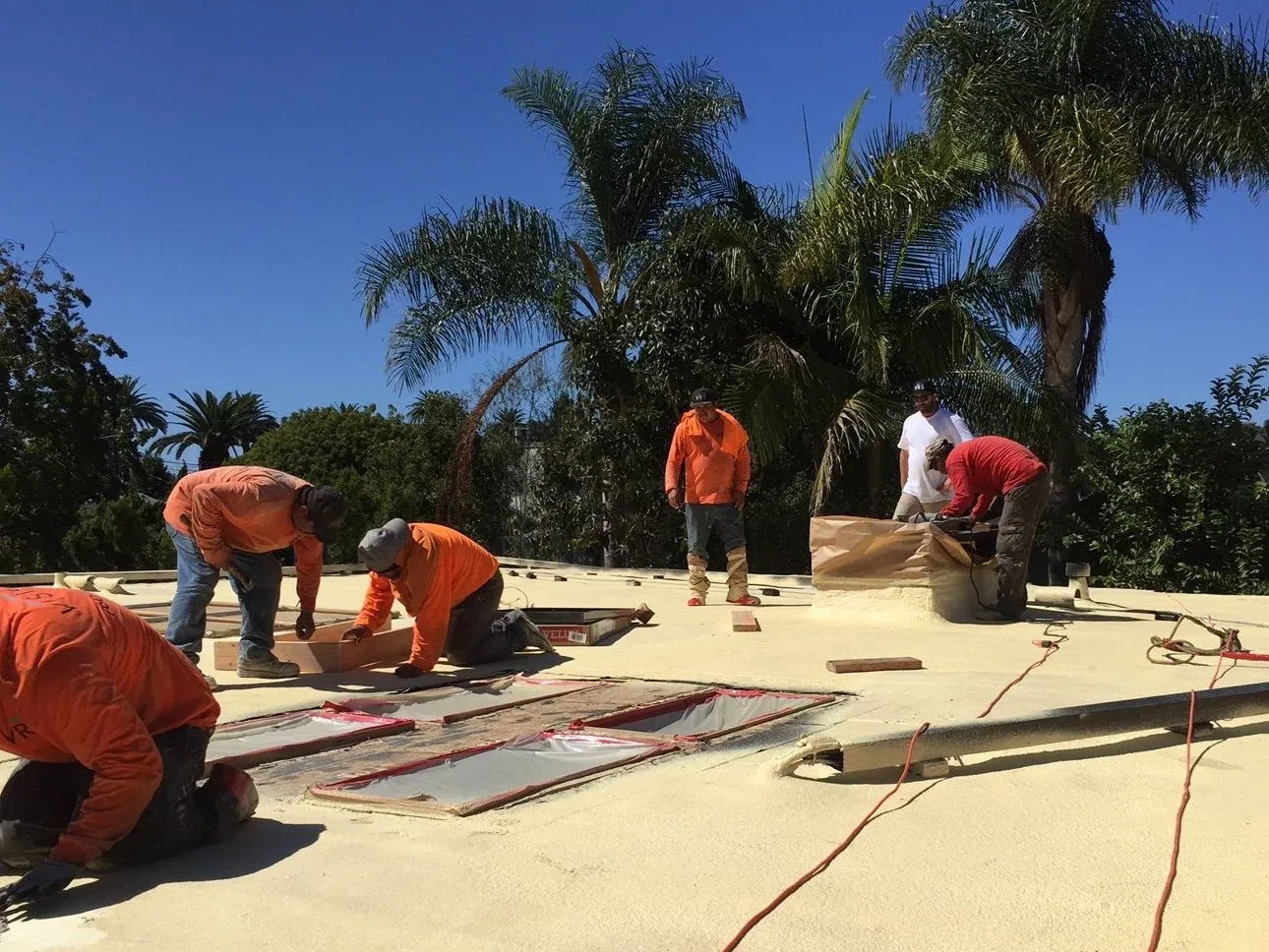
A modified-bitumen lap that has opened beside a drain needs a repair that reaches bonded material, not a bead of mastic laid over the edge. We inspect the surface, lap, flashing and substrate before marking the repair boundary. This built-up sheet system combines bitumen with reinforcing layers; SBS and APP products behave differently and use distinct installation details. In Cape Coral, FL, humid air and warm-season rain make dry preparation and a secure end-of-shift closure part of the work. The facility director should see which layer failed and how the new material will tie into the existing roof.
Commercial uses in the Del Prado-Viscaya industrial zone include manufacturing, processing and warehouse activity. The location guides access planning; the roof inspection confirms the system. If the assembly has multiple plies or old patches, compare the proposed repair with a built-up roof assessment after the layers and condition are understood.
Identify the Installed Sheet System
Before selecting a repair, identify whether the existing membrane is SBS or APP modified bitumen and how it was installed. A roof may use a torch-applied cap sheet, hot asphalt, cold adhesive or a self-adhered product. These methods change the safe work procedure and the required tie-in. We inspect exposed edges, prior invoices, product labels and existing seams, then choose a compatible repair material. If the assembly remains uncertain, testing at a suitable location can clarify the layer rather than relying on surface appearance.
Look for open laps, splits, blisters, exposed reinforcement, alligatoring, fishmouths and areas where granules have worn away. Each condition has a different scope. A blister should be evaluated for trapped moisture before it is cut, and a split should be traced to material that remains stable. We photograph the defect with surrounding detail and show its position on a roof plan. A commercial roof inspection can map other areas and identify whether a local repair remains practical.
Near Coralwood Center, a large shopping property with tenant changes may require careful access coordination. That commercial context does not establish the existing roof layers. We confirm loading access, occupied areas, drains and equipment before planning where material can be staged and which sections can be closed each day.
Laps, Flashings, and Penetrations
Modified-bitumen laps depend on full adhesion and a sealed edge. We inspect the side lap, end lap, corners and transitions at curbs or walls. An open seam can admit water below the cap sheet, while a wrinkle can create a channel that extends beyond the visible opening. A repair should remove loose material only within its defined boundary, prepare the surface and overlap sound sheet with compatible material. For torch work, protect combustibles and nearby equipment, control the heat path and maintain a fire watch as the work plan requires.
Penetrations and walls combine movement with multiple materials. Pipe boots, curb flashings and termination metal need secure attachment and a water-shedding lap. A newer unit or conduit may require a rebuilt detail, not a surface patch. We inspect the flashing height and substrate, then specify the repair method and metal work. A coping and edge scope should identify loose metal separately from membrane repair.
When an interior stain is reported, compare its location with laps, drains, walls and equipment above it. Water can travel before reaching the room. A leak investigation records the path and distinguishes the opening that can be confirmed from a suspected route that still needs testing.
Water Flow and Warm-Season Work
In the Cape Coral climate record, summer daytime highs average in the low 90s and annual rainfall is about 57 inches at Fort Myers Page Field. Drainage and work-window planning matter through the wet season. We clear and inspect outlets within the approved scope, check for low areas and see whether laps or flashing sit in a recurring pool. Ponding may result from a blocked drain, compressed insulation or inadequate slope; the correction depends on which condition the inspection finds.
Before installation, confirm that drains, scuppers, sumps and overflow paths remain open as the new layers are added. Increased thickness can affect transitions at equipment curbs and door thresholds. We identify those heights before pricing and state whether drain corrections are included. If water remains after an outlet is cleared, a drainage evaluation can define a separate slope or insulation investigation.
Rain can interrupt torching, adhesion and substrate preparation. We open only a manageable area, close it against water at each shift and protect materials from moisture. Begin an adjoining section only after the prior tie-in is secure. For buildings near the Caloosahatchee or within the city center, the local setting may influence access and exposure, but the work plan follows measured conditions at the roof.
Application Method and Safety
Modified bitumen can be applied by torch, hot asphalt, cold adhesive or self-adhered methods depending on the selected product and project design. We identify the deck, insulation and existing layers before choosing. Torch application requires controlled heat and safeguards around combustible materials, walls, roof openings and rooftop equipment. Adhesive systems require the right surface and environmental conditions. The scope names the material, method, flashing details and protection steps instead of assuming that every modified-bitumen roof is installed alike.
Cape Coral follows the Florida Building Code, 8th Edition (2023), and the project team confirms the provisions and permit needs for the actual roof work. Wind design, edge attachment, roof height and insulation selection belong in the assembly review. For occupied buildings, coordinate staging, fire watch, deliveries and shutdowns with facility staff. If removal reveals a damaged deck or wet insulation, photograph the condition and review the added work before installation continues.
At Cape Coral Grove, planned mixed-use construction includes retail, dining, hotel and residential components. For any active project in that growth area, sequence roof access around other trades and keep material deliveries separated from open roof sections.
Repair Boundary and Replacement Choice
A limited split or failed lap may be repaired when the surrounding sheet is bonded and the substrate is stable. Broad blistering, wet insulation, repeated seam failure or deteriorated perimeter details can push the decision toward replacement. We map what is visible, identify what was tested and explain what removal could expose. Consider a recover after checking layer count, moisture, deck capacity, drainage and code requirements. Compare it with repair and tear-off on the same assumptions.
State repair area, preparation, material, application method, fire controls, flashing, drainage and closeout photos. Separate base work from concealed conditions, and show temporary closure and access routes. A recover review can document whether retaining an existing assembly is supportable; a TPO assembly may be a separate alternative when it fits the design and substrate.
Share roof plans, previous repair details, leak locations and access rules. We inspect the modified-bitumen assembly and identify tests that would change the boundary before preparing a work description for your site.
Commercial Roofing Questions
How can we tell whether the roof is SBS or APP modified bitumen?
Product labels, exposed sheet markings, repair records and field characteristics can help identify the system. We compare those details before choosing heat, adhesive or patch materials. If identification remains uncertain, a suitable test point can confirm the assembly before permanent work is specified.
Can a blister in the cap sheet be patched?
First determine whether moisture is trapped beneath it and whether the adjoining layers remain bonded. We mark the affected area, inspect the substrate and define a repair that extends to stable material. Cutting a blister without checking the assembly can leave wet insulation or a weak lap outside the repair.
What changes the cost and schedule for a modified-bitumen replacement?
Removal depth, deck condition, insulation, application method, fire protection, edge metal, drains and occupied access all affect the scope. Warm-season rain also affects how much roof can be opened safely. We identify these items during planning and state how concealed conditions will be measured and approved.
Does storm history determine whether a Cape Coral roof needs replacement?
No. Regional weather helps shape inspection priorities, while current seam, flashing, attachment and moisture findings set the work boundary. Compare present conditions with prior photographs or repair records where available, then choose repair or replacement based on what the roof shows.
Provide the roof assembly records, recent repairs and reported leak locations. We will inspect the sheet layers and flashings, then define repair or replacement limits. Call 555-555-5555 or request a roof assessment for Modified Bitumen Roofing in Cape Coral, FL.