
Plan cold storage roof repairs in Cape Coral around insulation, vapor control, refrigeration equipment and drainage. Get a clear inspection and repair scope.
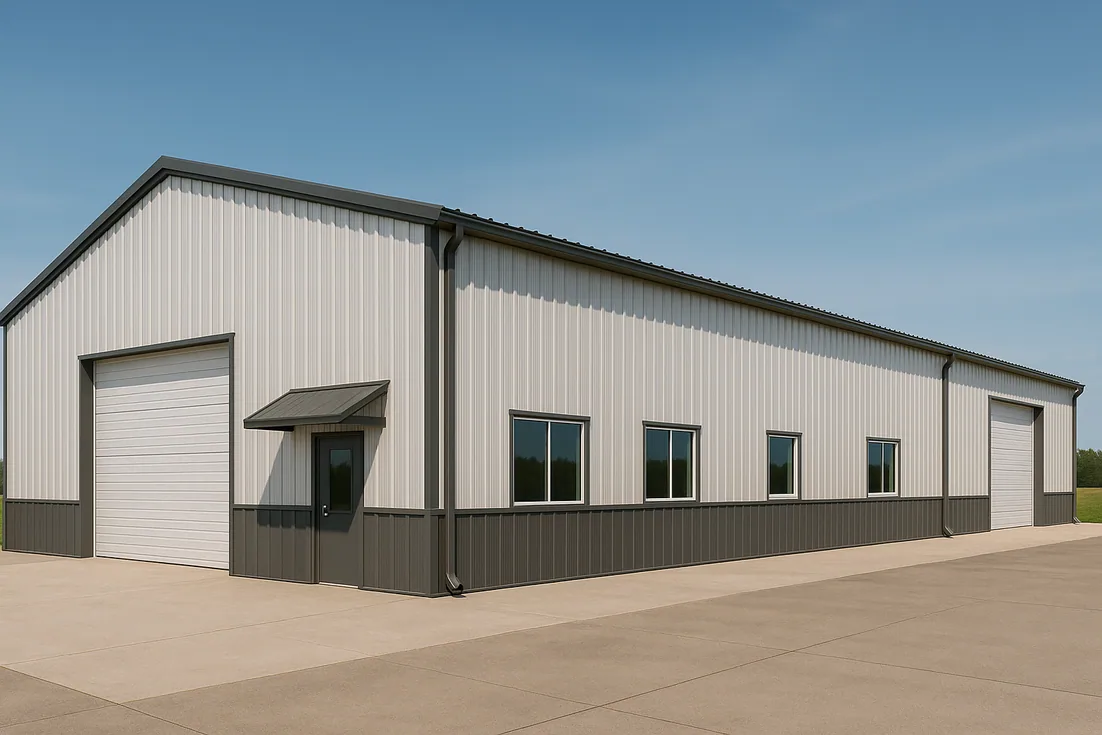
A freezer building can keep its interior steady while the roof above it cycles through hot, wet coastal weather. That difference makes insulation continuity, vapor control, penetrations and drainage central to a cold-storage roof inspection. Cape Coral’s nearest long-running regional weather station is Fort Myers Page Field. On the roof itself, record substrate moisture and temperature before choosing a repair product, because conditions at a refrigerated assembly can differ across shaded curbs, sun-exposed membrane and the colder deck. We trace reported moisture to the roof assembly, document what is accessible and set a repair boundary that accounts for refrigeration operations.
Keep Temperature Control in the Repair Scope
At a cold-room curb, the roof detail has to manage weather outside and temperature difference below. A gap in air or vapor control can carry warm, moisture-laden air into a colder part of the assembly. Condensation may then appear near a seam, fastener, deck joint or penetration. The visible ceiling mark helps locate the report, but the roof inspection also needs to check insulation edges, membrane laps and transitions around refrigeration equipment.
Before opening the roof, coordinate the work zone, access route, product protection and any operating limits with the facility contact. Identify which refrigeration units must remain on, where materials can be staged and how an open area will be closed if weather changes. An authorized test opening can show the actual layers and moisture condition; photograph each layer before closing it and keep the opening within the agreed boundary.
We inspect the existing membrane and insulation before choosing compatible repair materials. A surface patch can close a puncture yet leave wet insulation or a discontinuity beneath it. Where the assembly needs a larger repair, insulation and cover-board replacement can be scoped with the membrane work, while a hands-on roof inspection maps nearby conditions that could affect the repair limit.
Read the Moisture Path Before Cutting
Condensation and roof leakage can leave similar interior evidence. A recurring drip near a freezer panel, for example, still needs a roof-side check of the membrane, seams, equipment curb and nearby drainage. We compare the reported time and location with weather, refrigeration activity and any recent service work. Infrared or moisture testing can help locate material that should be opened, but test results need to be read with the assembly and conditions in view.
Mark the test area on a roof plan, record the instrument or method used and note any material that the test could not reach. If a small opening confirms wet insulation, measure its spread and check the adjacent layers before setting the full removal area. If the layers are dry and the leak path points to flashing, keep the repair focused on the detail. This separates a local repair from a wider insulation project without treating a single reading as the whole diagnosis.
Call at any hour when a leak threatens a temperature-controlled space; emergency crews can respond overnight, on weekends and holidays when site access is safe. We protect the building first and install permanent materials only when the surface and weather support proper bonding or welding.
Check Curbs, Lines and Roof Traffic
Refrigeration equipment brings curbs, piping, electrical conduit and service traffic onto a roof. Inspect curb corners, flashing height, line supports, pitch pans, fasteners and the membrane where technicians step or set tools. Look for abrasion, loose metal, open laps, sealant separation and movement. Where lines have been added or rerouted, confirm who restores the membrane and vapor-control details after mechanical work; a roof patch alone may not resolve a change in the full assembly.
Review the equipment plan alongside prior roof repairs. A unit replacement can change curb dimensions, line routing or service access, so details that once worked may no longer fit. We coordinate the roof scope with the planned mechanical work, identify the trade responsible for each transition and photograph the completed flashing. If the membrane type is confirmed, the repair method can match that system, including TPO membrane details where appropriate.
At facilities near Del Prado Boulevard South and Viscaya Parkway, where Cape Coral identifies industrial, processing and warehouse uses, delivery and lift access can affect how roof materials reach the work area. The Del Prado and Viscaya industrial zone provides a useful local frame for planning logistics, while each building’s equipment arrangement determines the actual route and staging plan.
Keep Water Moving Away From Cold Rooms
Water that remains at a drain or low point can expose weak seams and increase the time moisture sits against the assembly. Map each outlet, scupper and flow path, then record debris, restricted bowls, damaged strainers or ponding after rain. Cleaning an outlet and correcting a slope are different scopes. A clear drain cannot correct a depressed deck, and adding membrane at a low point will not redirect water that has no working path to the outlet.
Warm-season downpours make that distinction practical in Cape Coral. Review drainage after the roof is clear and compare observations across more than one weather event when possible. Where a roof section has repeated ponding, check the deck, tapered insulation and drain elevation before selecting a correction. Drain and scupper service can address outlet conditions; larger slope or insulation work should be defined separately so the facility knows what each portion of the scope is meant to change.
For a cold-storage facility, a storm plan should include roof drains, rooftop equipment securement, temporary closure materials and a way to protect temperature-sensitive inventory if power or roof service is interrupted. A post-storm inspection can document membrane, edge-metal and flashing conditions before repairs are prioritized. At a cold-storage facility, document roof penetrations, drainage and curb seals alongside temperature-sensitive operations before setting a work window.
Compare Repair, Recover and Replacement
A sound roof with one failed penetration may need a bounded repair. Repeated wet insulation, widespread seam failure, deteriorated deck attachment or many patched transitions can point to a larger renewal. The right scope depends on the current assembly, moisture extent, remaining serviceability, equipment schedule and how long the facility can tolerate staged work. We identify those conditions by roof section and show which findings call for immediate protection versus planned capital work.
Recover is only an option when the existing layers, attachment, moisture and code requirements allow another system above them. A cold building’s vapor-control needs make that review especially important. Replacement may allow insulation and transition details to be rebuilt, but equipment moves, disposal, temporary dry-in and refrigeration coordination affect timing. A targeted commercial roof repair can preserve serviceable areas; a replacement plan should describe the tie-ins and work sequence across all affected sections.
For a related warehouse roof or distribution center roof, the same portfolio may share maintenance staff, but keep each roof map and repair history tied to its own building. A roof capital plan can then compare immediate repairs with later replacement work without losing the details that affect cold-room operations.
Commercial Roofing Questions
Why does condensation appear near a freezer roof when it is not raining?
Warm, moisture-bearing air can reach a cold surface through a gap in the vapor-control layer and condense there. We check the roof layers, penetrations, seams and indoor report together, then use moisture testing or a controlled opening where it can clarify the repair. The visible stain by itself does not identify which layer needs work.
Can a roof repair be done while refrigeration stays on?
Many repairs can be phased while equipment operates, provided safe access, staging and weather protection are available. We coordinate the work boundary with facility staff, protect areas below and close each open section before leaving it exposed.
What should the inspection include around refrigeration lines?
Start with each curb, support, penetration and path used by service technicians. Check flashing terminations, membrane wear, metal movement and any area disturbed during equipment work. The report should show the location, observed condition, photographs and recommended repair boundary, including any portion blocked from safe access.
How do you decide whether wet insulation must be replaced?
Moisture readings help locate suspect areas, while a properly placed test opening confirms the layers and extent. We compare those results with the roof assembly and the leak path, then mark the removal area before work proceeds. Isolated wet material may call for a local replacement; broader findings can change the repair or renewal scope.
Share the roof plan, recent leak locations and refrigeration work schedule. We will inspect accessible sections, map moisture and drainage findings, and prepare a repair scope that keeps the facility’s operating needs in view. Call 555-555-5555 or request a roof assessment for Cold Storage Roofing in Cape Coral, FL.