Correct commercial roof drainage in Cape Coral by checking outlets, scuppers, crickets and low areas before water reaches seams or interior space.
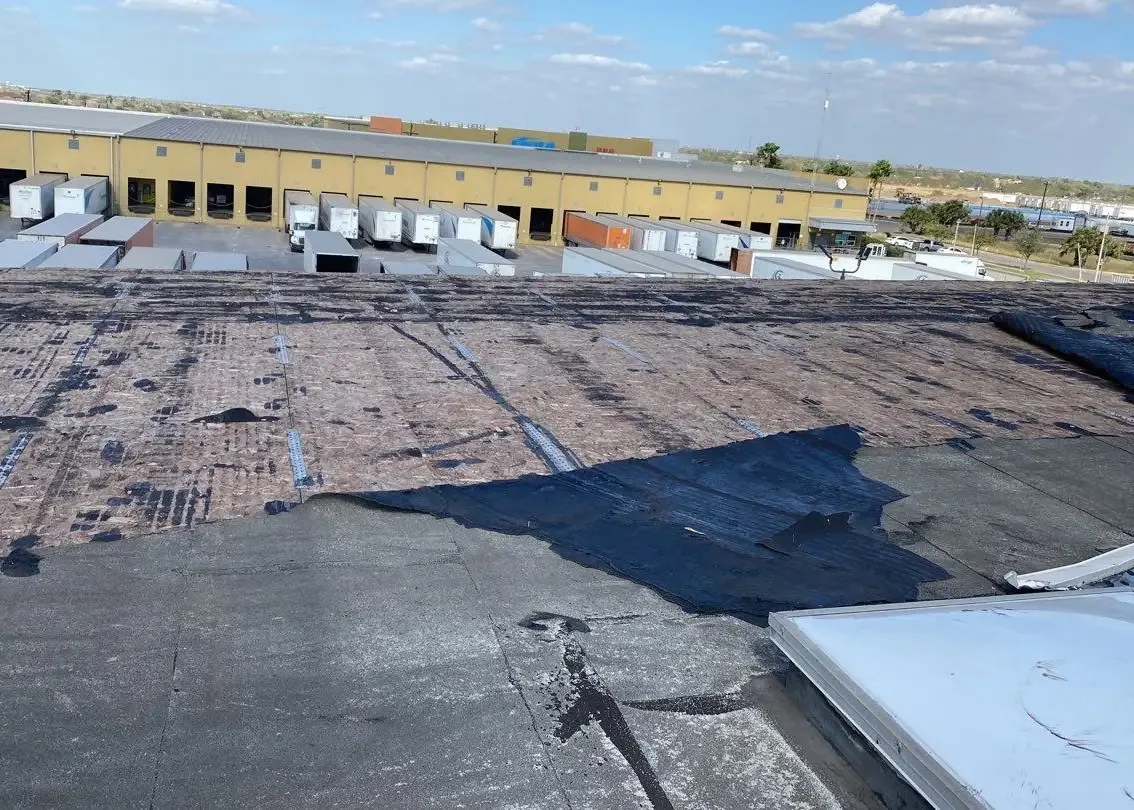
A scupper throat narrowed by debris can hold rain against a parapet even when the membrane field looks sound. Roof drainage work begins by tracing the water path from the low area to the outlet, then checking what interrupts that path. In Cape Coral, intense warm-season rain makes outlet condition and roof slope practical maintenance concerns. We inspect drain bowls, scuppers, gutters, downspouts and crickets, record where water remains and distinguish a blockage from a grading or structural question. The repair should restore the designed route without forcing water through another roof detail.
Follow Water From the Field to the Outlet
Map drains, scuppers, gutters, downspouts and visible low points before cleaning or changing anything. Note roof areas that feed each outlet and whether seams, equipment curbs or parapets interrupt the route. A strainer packed with leaves may restrict a drain, while water that remains after cleaning can indicate a broader slope or deflection condition. Document the area before debris is moved, then record what changed.
Check the outlet connection, bowl, flashing and surrounding membrane for cracks, corrosion, loose fasteners or a separated lap. At a scupper, inspect both the opening and the exterior discharge, including any gutter or downspout below. A clear throat does not confirm that the downstream path is working. Never enlarge an opening or cut a curb without a designed detail and authorization.
On commercial sites near Pine Island Road or Del Prado Boulevard, drainage work may take place above active loading or public access. Identify where water will discharge, protect entrances and keep debris from falling into an occupied area. The same roof plan should show which outlet serves each section so the maintenance record remains usable.
Distinguish Blockage From a Low Roof Area
Standing water can follow a blocked outlet, a low membrane, a sagging deck or a roof area that was never shaped to drain fully. Record where water collects and how long it remains after rain when that information is available. Compare the spot with nearby drains, scuppers and roof elevations. A single photograph cannot show whether the water is moving or whether the low point is changing.
Crickets and tapered insulation help direct flow around curbs and toward drains. If a cricket is crushed, poorly joined or separated from the surrounding surface, water may divide around it instead of reaching the outlet. Inspect transitions and membrane laps where slopes meet. Adding a patch over a low point does not correct the underlying geometry, and building up a surface can reduce drainage clearance or alter flashing height.
If ponding persists after outlets are clear, document the extent and ask for a design review before changing slope. Include structural or deck movement questions when observations warrant them. Drainage repairs should address what inspection established, while keeping suspected deflection or concealed deck conditions separate from routine cleaning.
Repair the Drainage Detail as Part of the Roof
Repairs may include clearing accessible debris, replacing a damaged strainer, rebuilding drain flashing, repairing a scupper throat, restoring a gutter joint or securing a downspout. The scope should name the outlet, adjacent roof materials, preparation and tie-in. If the bowl or conductor is corroded or disconnected, state whether that work is included or assigned to another trade. Photograph each detail before and after service.
At a drain, confirm that the membrane is secured into the assembly with compatible flashing and that the strainer can be removed for maintenance. At scuppers, check that the opening remains clear and the edge detail sheds water outward. Sealant alone should not bridge a moving joint or substitute for a properly integrated flashing. If the membrane or substrate around the outlet is wet or unstable, investigate before closing the repair.
A commercial roof inspection can document outlets and adjoining details across the roof. Where an open lap or wet area appears nearby, use roof repair or a moisture survey to address that separate condition. Keep drainage and membrane findings together on the plan but describe them as distinct work items.
Plan Access and Discharge
Before cleaning or repairs, confirm access, fall protection, material staging and the route for removed debris. Protect roof membranes while carrying tools, and do not leave loose material near an outlet at the end of a shift. Coordinate discharge with the facility contact so runoff does not enter a doorway, loading area or pedestrian route. If a downspout is disconnected, identify where water currently lands and include a suitable correction.
City Centrum includes central commercial and public-facility uses, while North Cape Industrial Park is tied to employment and industrial activity. Those settings can bring different roof-access hours and ground-level hazards. Establish the specific property’s requirements before crews begin, then note any outlet that could not be reached. At City Centrum and the North Cape Industrial Park, confirm each building’s access hours and ground-level hazards before crews begin drain work.
Cape Coral’s rainy season can expose a restriction quickly. After service, verify that tools and debris are removed, the outlet is open and any temporary repair is stable. If rain starts before permanent work is complete, close exposed areas safely and record who will return to inspect the detail.
Keep Drainage in the Roof Record
Mark outlet locations, area boundaries, observed low points, repairs, cleaning dates and photographs on a roof plan. Note if a water mark remains after the drainage route is opened. A repeat service can compare the same drain and scupper rather than rely on a general statement that the roof was cleaned. If a location continues to pond, retain measurements or photos taken under comparable conditions when available.
Drainage work is part of the wider roof program. Keep access clear, check discharge paths and coordinate rooftop equipment work that could redirect runoff or damage tapered insulation. A preventive maintenance visit can include outlet checks, while condition reporting helps organize unresolved slope or deck questions. For properties in the Pine Island Road corridor, keeping building-specific roof plans makes service handoffs easier when occupants or facility contacts change.
Provide roof drawings, prior leak notes, photos of standing water and any known drain repairs before the inspection. We can map the flow path, distinguish routine cleaning from corrective work and identify which drainage details need a separate design or structural review.
Commercial Roofing Questions
Why does water remain on the roof after a drain is cleared?
The outlet may have been blocked, but water can also collect in a low area, follow a deflected deck or meet a slope that does not lead cleanly to the drain. Record the area after cleaning and compare it with nearby outlets and roof elevations. If it remains, investigate the geometry before building up the surface.
What is a cricket and when does it need repair?
A cricket is a sloped roof section that diverts water around an obstruction or toward a drain. Separation, damage or poor transitions can leave water on the wrong side of the detail. Inspect its membrane laps and adjoining curb or drain, then repair the assembly to match its existing system and drainage design.
Can a roof drain repair stop an interior leak?
It may address the entry path if water is getting through a failed drain flashing or damaged outlet connection. A blockage alone does not prove that the drain caused an interior leak. Trace the water path, inspect the bowl and nearby membrane, and report any separate seam or wall condition that needs work.
How should roof drainage be maintained in Cape Coral?
Keep outlets and discharge routes clear, record recurring debris or standing water and inspect adjacent membrane and flashing. The warm-season rain makes open flow paths important, but cleaning cannot correct a sagging deck or insufficient slope. If the same low area persists, document it and arrange a closer evaluation.
Share roof plans, drain locations, leak history and photos of standing water. We will inspect outlets and flow paths, document repairs and identify low areas that need additional evaluation. Call 555-555-5555 or request a roof assessment for Commercial Roof Drain and Scupper Repair in Cape Coral, FL.