
Get Cape Coral roof findings tied to photos, roof plans and repair priorities so facility teams can verify conditions and act on a clear scope.
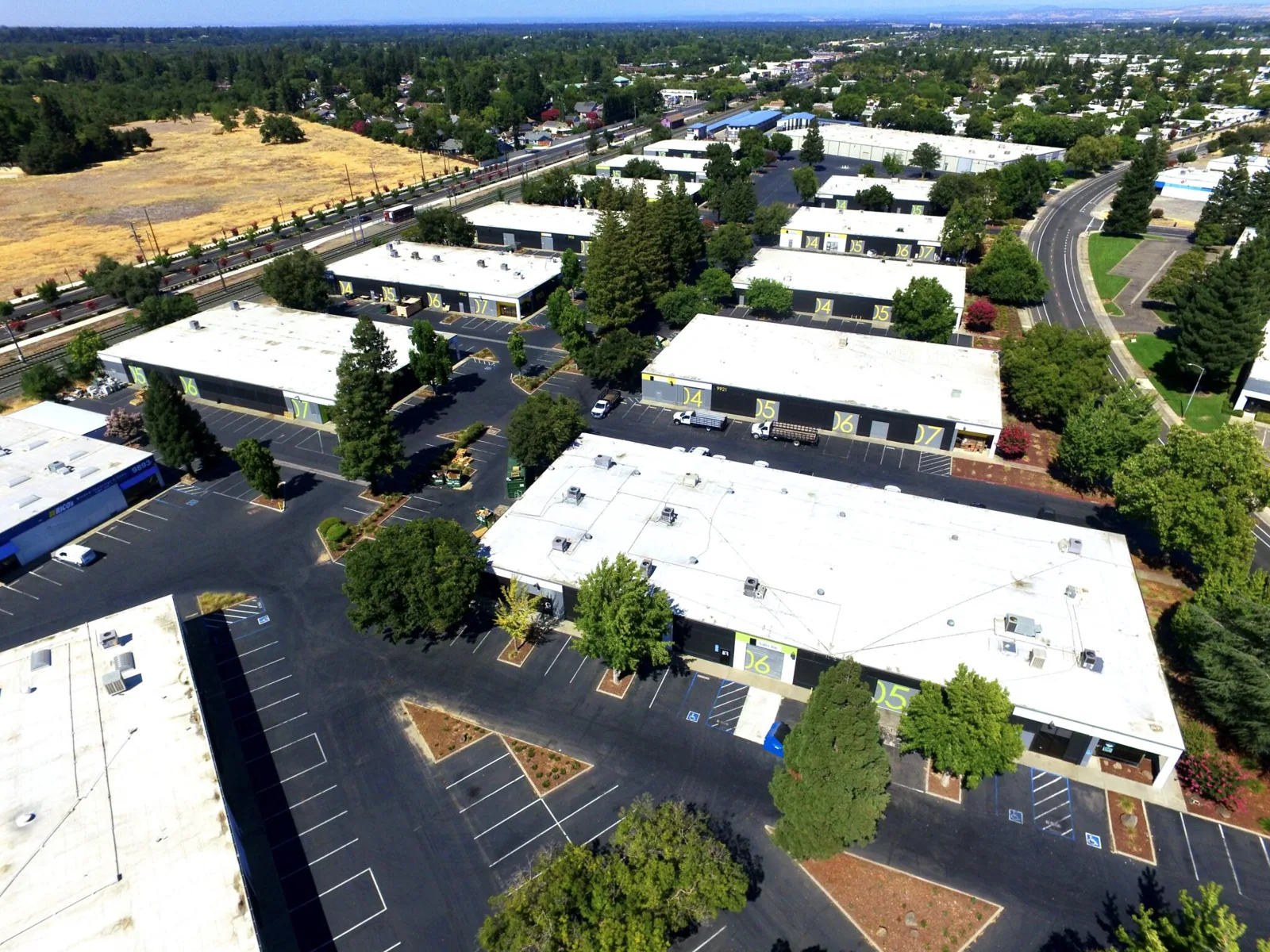
A close photograph of a split seam is hard to use if no one can find the roof section where it was taken. A condition report pairs each visible detail with a plan location, material description, date and recommended next action. For a Cape Coral facility, that record should also show which drains, edges and areas were accessible before warm-season rain tests the assembly again.
The report is for a building decision, not a collection of roof pictures. It separates an active leak from a maintenance item, a test question from a confirmed defect, and a repair from a longer-range capital choice. A reader should be able to trace every recommendation to an observation.
Capture Findings Where They Occur
We begin with the roof plan and divide the facility into labeled sections. For each accessible area, record system type when confirmed, seam condition, flashing, penetrations, roof edges, equipment supports and drainage. The photo should include a close view of the defect and enough nearby detail to relocate it. A broad image of the roof helps with orientation, but it cannot replace a close record of an open lap or damaged transition.
Interior reports stay connected without being mistaken for roof proof. Name the room, date and observed condition, then document the roof detail examined above and around it. If water movement remains uncertain, state whether infrared evaluation, a core opening or another inspection would answer the question. A hands-on roof inspection establishes field observations; an infrared moisture survey can guide targeted testing where its pattern warrants follow-up.
Use stable labels at different buildings, but retain each property's actual details. At Cape Coral Hospital, access and service continuity must be coordinated around the clinical campus. A warehouse or office has different interior and access relationships. The report notes the facility contact, restrictions and parts of the assembly that could not be reached rather than implying full coverage.
Separate Observation From Interpretation
A photograph may show a raised lap, corrosion, ponding, a puncture or a stain. Interpretation should state what that condition means for water entry, attachment or follow-up without claiming a concealed cause that was not confirmed. For example, a dark ceiling tile directs the inspection; a roof opening requires a separate visible finding or test. Mark the distinction plainly so an owner can approve the right scope instead of paying to address an assumed location.
Describe limits beside the finding. A roof area blocked by a mechanical unit, standing water, unsafe access or stored equipment remains uninspected until a suitable follow-up can be arranged. A thermal pattern indicates an area for investigation, not a conclusive moisture map. If a core sample is taken, record its location and what that one opening revealed. The report should show both what the evidence supports and what additional access would settle.
At sites along Pine Island Road or in City Centrum, building plans may include separate additions, mixed roof assemblies or occupied sections. Local setting helps with contact and logistics, while observed construction determines the roof conclusion. A leak investigation can document a current water report, while the condition report preserves the wider system context and remaining actions.
Make Each Recommendation Actionable
Sort observations by action: control active entry, repair a deteriorating detail, maintain a clear outlet, test an uncertain layer, or schedule a capital review. The reason should name the observed defect, roof location and consequence. Avoid broad labels such as fair or poor without showing which conditions support them. If the defect is isolated and surrounding material sound, the report can define a limited repair. If moisture or attachment questions extend beyond that boundary, identify the test or review that could change the recommendation.
Include scope ingredients that affect the next step: material preparation, tie-in detail, equipment access, protection below, work-hour limits and any inspection needed after installation. A capital planning review can use the same findings to stage work by urgency and budget timing. A roof asset record can preserve the report with prior repairs, warranty documents and follow-up dates.
Seasonal heat, humidity and rain influence how a roof is prepared and secured, but do not alter what the inspection found. When Cape Coral facilities schedule work, the record should state the date, weather conditions and whether the substrate was dry at the repair location. This supports a useful comparison on the next visit.
Build a Record Owners Can Review
A concise executive view can list urgent work, planned repairs, testing and areas not reached. Supporting pages should include roof maps, photo identifiers, defect descriptions, relevant repair history and assumptions. Keep the priority summary consistent with the evidence below it. If one section has a leak and another has a coating concern, do not combine them into a property-wide grade that conceals both scope and urgency.
Project closeout can add photographs of completed work, products installed, repair boundaries, testing results and unresolved items. Keep warranty requirements available when they affect a repair or future inspection. A warranty file review can connect the document's conditions with current roof records. For a new owner or lender, a due-diligence roof survey provides a separate point-in-time assessment for the transaction.
Owners who oversee several buildings can keep common labels for findings and action categories while preserving each report's building-level evidence. The result lets operations staff act on the specific defect and gives finance enough context to compare the work with other needs.
Update the Report After Work
After repair, revise the roof plan, close the item with dated photographs and note any material, testing or exclusion. If the crew found a different condition after opening, show its location and the decision that expanded or limited the approved work. A later report can then compare like roof sections and determine whether an earlier recommendation remains current.
Provide the Cape Coral address, access instructions, repair history and the question the report needs to answer. We will inspect accessible areas, document visible conditions and return photos and next actions tied to the correct roof map.
Commercial Roofing Questions
What makes a roof condition report useful to an owner?
It ties each finding to a roof plan, photograph, date, material and recommended next step. The report should distinguish confirmed defects from interior observations, testing questions and areas not reached, allowing an owner to review the basis for each action.
Will the report identify every concealed wet area?
A visual walk cannot confirm all material below a membrane. Infrared patterns can guide sampling, and a core opening verifies the materials at its location. We state which method was used, its limits and what follow-up would establish the remaining extent.
Can the report help compare repair with replacement?
Yes, when findings show the affected sections, material condition, repair history and open tests. We define a localized repair boundary and note when repeated or wider deterioration warrants a capital review. The alternatives then rest on the same evidence.
What happens to findings after the repair?
We add closeout images, materials, repair limits and any remaining item to the roof record. That lets the next inspection compare the same location and tell whether a new report concerns the repaired detail or another part of the assembly.
Provide the Cape Coral roof plan, repair history, access limits and reported concern. We will map visible conditions and return a photo record with clear next steps. Call 555-555-5555 or request a roof assessment for Commercial Roof Condition Reports in Cape Coral, FL.