
Track Cape Coral roof condition, repairs, warranties and renewal priorities in one usable record for facility teams, owners and portfolio managers.
A roof plan with no repair history cannot tell a facility director whether a dark patch at a drain is old work or a new leak. Asset management starts by assigning every building and roof section a stable identifier, then connecting its inspection findings, repairs, warranty records and next action. In Cape Coral, where warm-season rain tests drainage and temporary closure, a usable record helps staff see which roofs need a visit before water reaches occupied space.
Properties around Pine Island Road may include retail, office, flex and industrial buildings, while City Centrum combines public-facility, professional and mixed-use areas. The portfolio may span unlike assemblies and operators. Each roof therefore needs its own condition record even when several assets sit along the same corridor.
Give Every Roof a Stable Identity
Begin with the street address, facility name, building identifier, roof-section labels and current plan. Record system type only after inspection or reliable building records confirm it. A site may include several additions, roof levels or membrane-to-metal transitions; one portfolio row should not flatten them into a single condition rating. Include access points, equipment zones, drainage routes and areas that could not be reached so a later visit can repeat the same coverage.
Attach dated photographs to locations on the plan and label each observation as active, repaired, monitored or awaiting testing. A ceiling report and a roof defect are related records, but they are not interchangeable. We connect the interior location to the roof finding only when the inspection supports that relationship. A commercial inspection can establish the initial condition map, while a roof condition report organizes evidence and recommended actions for the asset file.
Use one vocabulary across buildings for seam opening, puncture, flashing separation, ponding, corrosion and wet insulation, while preserving the location and detail specific to each finding. A warehouse roof may need access and drainage labels suited to a broad field; a hospital roof needs links between roof zones and sensitive operations. The labels should help the next person locate an item, not imply that different buildings share a roof design.
Keep Repairs and Warranty Records Connected
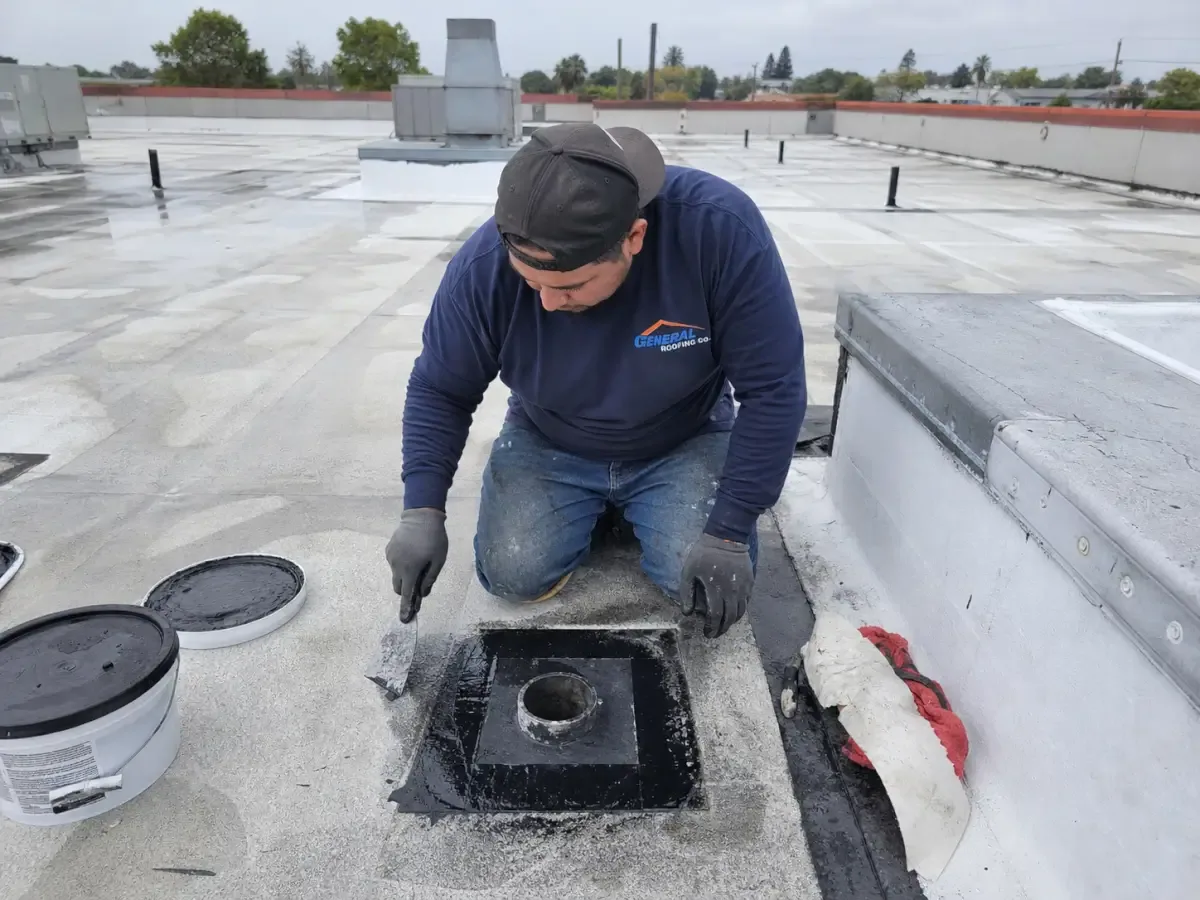
A work order is useful when it states which roof zone changed, what material was installed, how the tie-in was prepared and what condition remained outside the work. Store before-and-after images, closeout notes, test points and any concealed finding with the original asset identifier. If a later leak appears near a prior patch, staff can compare its date and position instead of relying on an invoice description that names only the building.
Warranty documents should be indexed by roof section, system, issuer, term dates, required notices and maintenance conditions. Record who holds the complete document and how a proposed repair is reviewed before work begins. We do not treat a warranty label as proof that a defect is covered; the actual document and condition govern that question. A warranty tracking process can connect the document to inspections and planned work without losing the manufacturer's requirements.
Repairs outside a warranty process still belong in the same history. An active leak may need targeted leak investigation, followed by a located repair record and a later check if the boundary depended on drying or testing. Keep emergency protection distinct from permanent correction so management can see whether the roof was secured, fully repaired or still awaiting a larger decision.
Turn Findings Into Portfolio Actions
Rank work by evidence and consequence: active water entry, safety exposure, failing drainage, deterioration likely to extend, and work that can be scheduled with planned renewal. State the reason for each priority and the next action needed to move it forward. A score without a finding cannot tell an owner what to authorize. Keep unknown moisture extent, inaccessible zones and missing documents visible as open questions rather than silently assigning them a low priority.
For a portfolio with sites near Pine Island Road and Cape Coral Hospital, compare access, building use and roof condition separately. The hospital campus includes emergency, inpatient, imaging, surgery, maternity and outpatient functions; that fact makes facility coordination central to work planning, while the roof condition still comes from its inspection. At a different property along the commercial corridor, delivery routes or tenant hours may be the main constraint.
Asset records can support capital timing when the condition map, repair history and assembly details are current. A capital planning review can group near-term repairs and likely renewal by building while preserving each roof's evidence. Routine preventive maintenance can cover drains, exposed laps, edge metal and penetrations between larger projects.
Make the Record Useful Across Teams
Operations, finance, property management and contractors need different views of the same asset file. The roof plan and condition report show the field details; a portfolio summary can display open work, due dates, budget status and the person responsible for the next step. Keep the detail available behind every summary item, so a reviewer can trace a priority to a photo, location and inspection date.
When ownership or management changes, hand over access instructions, current plans, warranty files, repair history and unresolved conditions. The receiving team should be able to distinguish an observed issue from a planned action and a completed repair. For acquisition or refinancing, a due-diligence survey can provide a time-specific condition review, while a multi-site roof program can coordinate recurring inspections and reporting across multiple buildings.
City Centrum's civic and commercial building context and the Pine Island Road employment corridor illustrate why a portfolio may contain different access settings within Cape Coral. The asset record should retain that local information for routing and contact planning, not use it as a proxy for roof condition. Update the site details when a tenant, access point, equipment arrangement or roof project changes.
Keep the Inventory Current
After each inspection or project, update the roof diagram, photographs, repair status, warranty dates and open recommendations. Note who reviewed the record and what decision remains. If a section was not accessible, preserve that limit until a later visit closes it. A clean history reduces duplicate inspection work and keeps the next scope tied to current field evidence.
For each Cape Coral building, provide the address, available plans, repair history and current concern. We can inspect the roof, set a record structure around the confirmed assembly and leave the facility team with condition, warranty and next-action details that can be maintained.
Commercial Roofing Questions
What belongs in a commercial roof asset record?
Start with the building and roof-section identifiers, plan, system confirmed, access limits and dated photos. Add inspection findings, repair details, warranty requirements, drainage notes and open actions. Each item should point to a location and a responsible next step.
How can we compare roof condition across different properties?
Use the same action categories and evidence standards, then retain each roof's own findings and assembly. A shared rating is useful only when a reviewer can trace it to observed defects, testing limits, work history and timing.
Should a completed leak repair remain in the asset history?
Yes. Keep the reported room, roof location, materials, repair limits, photos and remaining questions together. A later inspection can then determine whether the same detail changed or the new report concerns another area.
How often should asset records be updated?
Update them after inspections, repair work, equipment changes, ownership transfer and any event that prompts a roof review. The schedule for recurring visits should reflect the assembly, condition, warranty terms and exposure at each property.
Start with the property list, roof plans, repair files and current priorities. We will establish a separate condition record for each address and organize outstanding decisions. Call 555-555-5555 or request a roof assessment for Roof Asset Management in Cape Coral, FL.