
Plan data center roof repairs in Cape Coral around cooling equipment, penetrations, drainage and uptime. Get a clear scope for critical facilities.
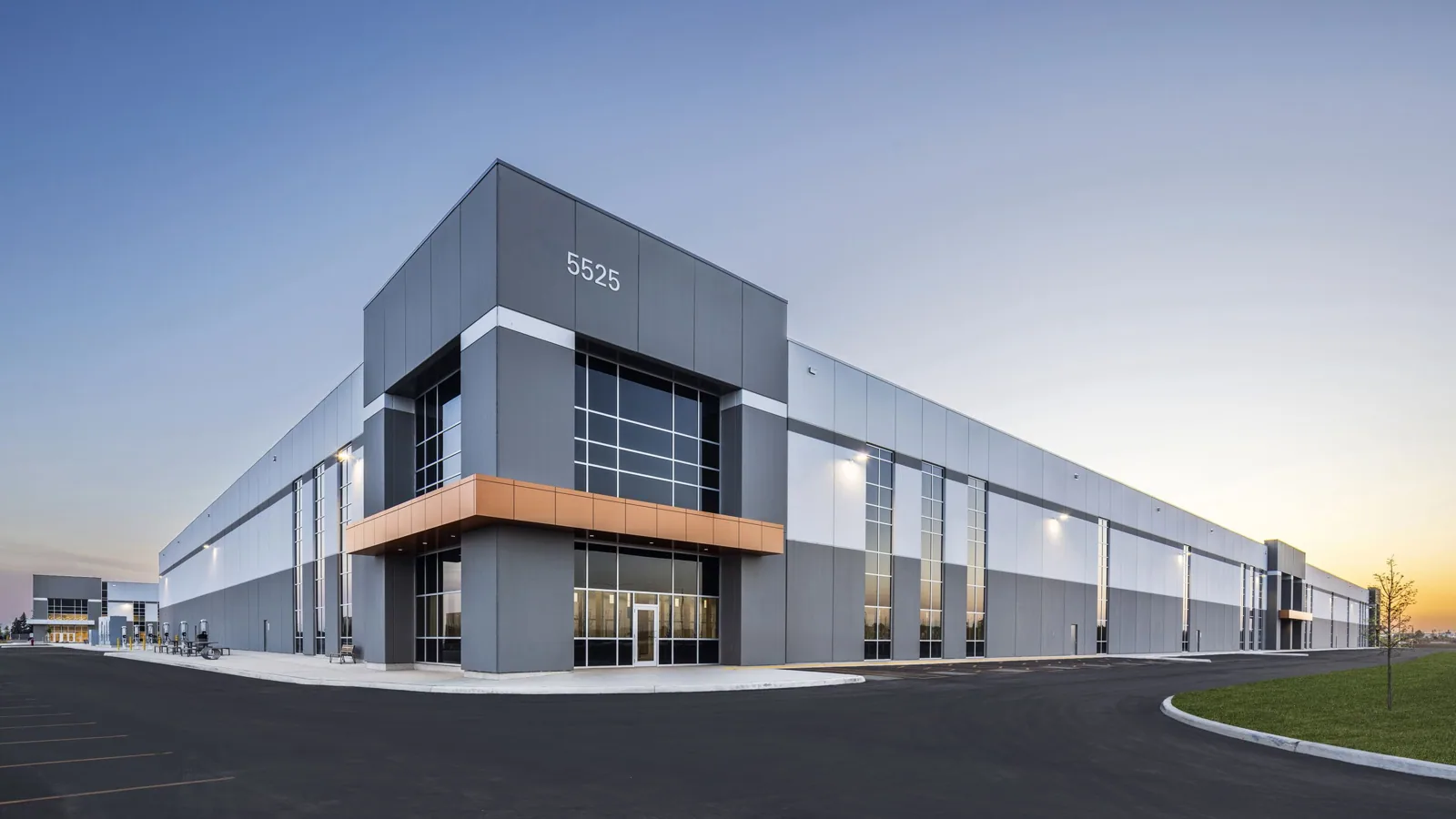
Cooling equipment turns a data center roof into an active service surface. Curbs, piping, conduit and repeated technician access all meet the membrane, while the equipment below must stay protected from water. Cape Coral’s hot, humid season and frequent rain make drainage and flashing checks part of operating readiness. We inspect the roof by section, coordinate safe access with facility staff and document what needs immediate repair, testing or planned renewal.
Treat Every Roof Opening as an Operating Detail
Chillers, condensers, exhausts, cable routes and control equipment create several different roof connections. Inspect each curb for continuous flashing, sound corners, termination bars and secure metal. Follow conduits and pipe supports to the membrane, checking for abrasion where lines move and for unsealed openings left after equipment changes. A small defect at a penetration can let water travel below the visible point, so record the roof location and compare it with any interior alarm or moisture report.
We match the repair material to the installed membrane and detail. Before cutting, mark the work boundary, confirm access controls and identify any equipment that must remain in service. If test openings are approved, photograph the insulation and deck condition and restore each opening before moving to the next section. A curb and equipment-support repair can be coordinated with penetration flashing work when several transitions are part of the same operating area.
Equipment replacement can change the curb footprint or service path. Compare the proposed unit layout with the roof plan before the mechanical crew starts. Set who handles temporary dry-in, membrane restoration and final inspection, then retain photographs of the completed connections. This keeps roof responsibility clear as equipment work moves from one phase to the next.
Protect Cooling and Power Routes
Technicians need a stable path between units, disconnects and service points. Walk the route with facility staff and note areas where repeated foot traffic crosses seams, cover board or exposed fasteners. Add protection where the roof system and approved assembly permit it, and do not place a walkway over a drain or across a required service clearance. Where cable trays or piping have shifted, inspect the supports and membrane beneath the former route as well as the current one.
Cooling equipment vibration can work on flashing edges and support connections over time. Check for movement, split sealant, metal fatigue and membrane wear at each base. Verify attachment before tightening or replacing components, and identify any inaccessible connection that needs a controlled shutdown or lift. The inspection record should show unit labels, roof section, observed condition and the related service request so later visits can compare the same point.
Roof water entry near critical equipment can be reported at any time, including holidays and weekends. We coordinate access with the facility contact, protect exposed systems and set a permanent repair once the roof and weather allow the specified material to be installed correctly.
Separate Roof Water From Equipment Risks
Water near a cooling unit can originate at its flashing, a nearby seam or an uphill drain. Map each low point and outlet before assigning the leak to a curb. Check drain bowls, strainers, scuppers and discharge paths for blockage, then compare the roof observation with the room or equipment report. If the outlet is clear but ponding remains, inspect deck slope and tapered insulation rather than repeating a cleaning scope.
On a large roof, divide the inspection into manageable zones and label outlets and penetrations on the same plan. Photograph standing water after rain and note the interval since the weather event. Cape Coral’s warm-season rainfall can test every drainage path in a short period; keeping dated images helps distinguish a persistent low area from temporary wetting. Drain and scupper service addresses outlet conditions, while ponding-water repair may involve slope, insulation or deck correction.
Review perimeter metal and roof edges as part of storm readiness. For critical equipment, the post-storm check should include flashing, membrane seams, rooftop supports, debris and drainage. Record observed damage promptly and protect exposed areas while a repair scope is prepared. For data-center work, record equipment-clearance zones, roof access approvals and weather protection before opening any section near critical systems.
Plan Inspection Windows With Facility Staff
Roof access for a data center needs a clear handoff. Confirm the escort or access procedure, ladder and lift locations, fall-protection requirements, equipment boundaries and any restrictions on photography or tools. Identify which doors or service paths remain clear during the visit. A roof walk should not block a technician’s route to a cooling or power component, and materials should be staged where they do not interfere with maintenance work.
Before scheduled work, share the proposed area, tasks, duration and closure method with the operations contact. Coordinate any test that may affect equipment access or require a temporary shutdown. If the roof issue overlaps a utility or controls contractor’s work, assign the membrane transition to a named trade before the opening is made. This avoids leaving a curb or penetration between scopes after the equipment crew has demobilized.
At a facility along the Pine Island Road corridor, confirm the approach, staging point and roof route with facility operations before mobilizing.
Choose a Repair Boundary That Can Be Maintained
A failed curb or punctured membrane may be a local repair when nearby insulation, attachment and seams remain serviceable. Multiple wet areas, recurring leaks around several units or broad deterioration call for a wider assessment. We map defects by roof zone and describe what each test or repair will establish. If an infrared survey is useful, pair its readings with test cuts at selected points so the scope accounts for the actual layers rather than relying on a color pattern alone.
Recover can be considered only after checking the existing system, moisture, attachment and code requirements. Replacement may be appropriate when defects are widespread or when a planned equipment upgrade needs rebuilt curbs and insulation transitions. The schedule should account for long-lead equipment, temporary protection, material cure or weld conditions and weather. A commercial roof inspection can establish condition by section; replacement planning then sets the tie-ins and work sequence for the affected areas.
Data center, office building and distribution center roofs may sit within one property portfolio, but each needs its own roof plan, equipment list and repair record. A roof asset record lets facility teams track those details alongside maintenance dates and open recommendations.
Commercial Roofing Questions
Can roof work be completed without interrupting data center operations?
Many roof repairs can be staged while the facility remains online when access, equipment clearances and weather protection are planned in advance. We agree on the work zone with operations staff, keep service routes available and close each exposed area before moving on. A shutdown is considered only when a specific equipment or access condition requires it.
What should be inspected after a chiller or condenser is replaced?
Compare the new curb and line layout with the roof plan, then inspect the flashing, membrane, support bases and former equipment footprint. Check that the mechanical work did not leave open fastener holes or an unfinished transition. Keep photographs and a completion note with the unit label and roof section.
How can we tell whether water near a unit came through the curb?
Trace the interior report to the roof and inspect the curb corners, nearby seams, drains and uphill flow path. Water can move through insulation or along the deck before it appears indoors. Moisture testing and a controlled opening can narrow the source when visual inspection alone does not define the repair boundary.
When does a data center roof need a full condition survey?
A broader survey is useful when leaks recur at several units, moisture appears across multiple zones, or equipment projects are changing many roof connections. We map each finding, test where results can change the scope and separate immediate protection from capital work. That gives operations and asset teams a sequence they can schedule.
Share the roof plan, cooling-equipment schedule and access requirements. We will inspect accessible areas, map each roof connection and drainage path, and set a repair or renewal scope around facility operations. Call 555-555-5555 or request a roof assessment for Data Center Roofing in Cape Coral, FL.