
Inspect storm-related roof damage in Cape Coral, document visible conditions and stabilize exposed areas before defining permanent repairs.
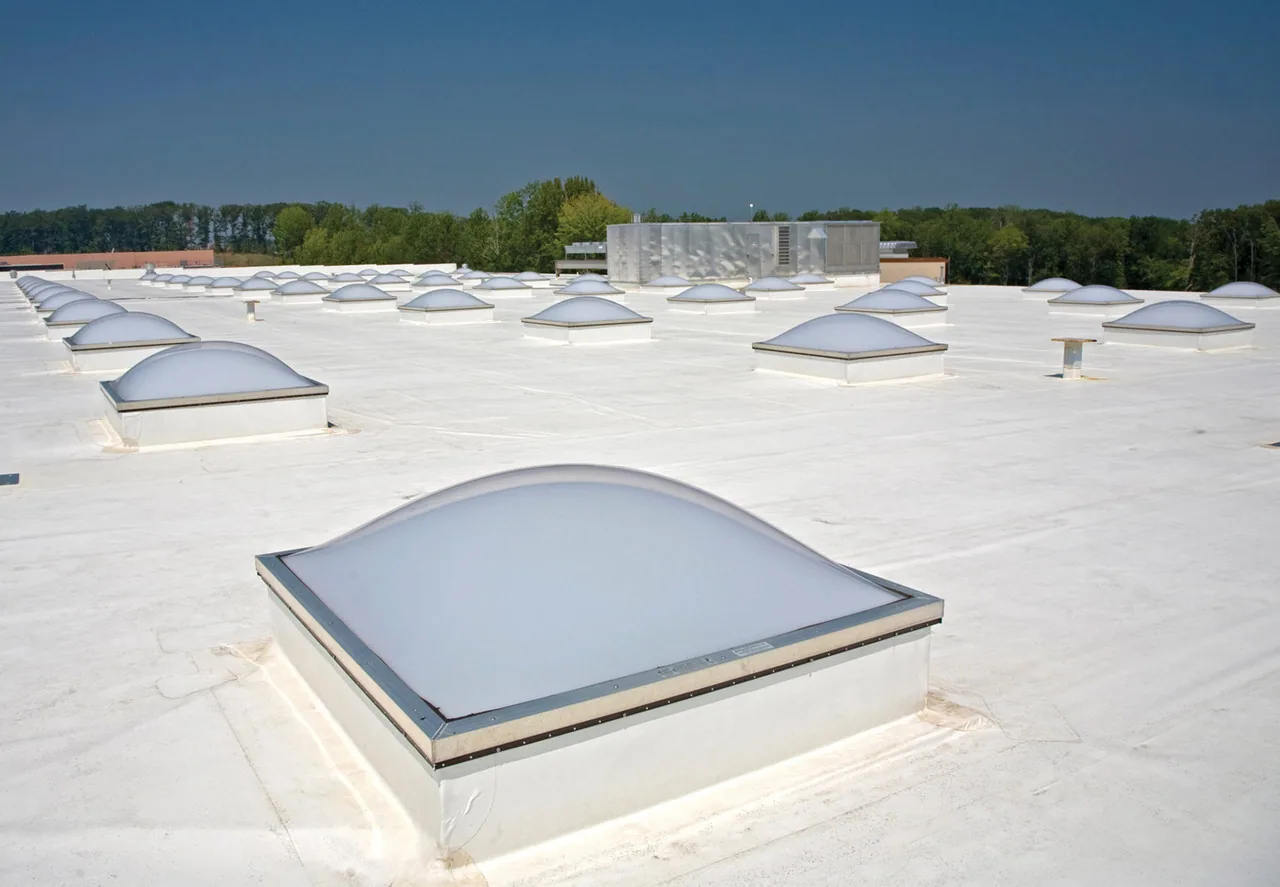
A folded edge flashing or membrane lifted from its termination shows where wind may have disturbed the roof connection, but the first view does not define the full repair. Storm response starts by checking access and safety, recording visible conditions and protecting areas open to rain. Ian struck Lee County in 2022 as a Category 4 hurricane, producing severe surge on the Gulf coast, in low-lying areas and along canals. After a storm, inspect the building, map observed defects and keep temporary protection separate from permanent repair. We inspect the building, map observed defects and separate temporary protection from permanent emergency roof repair.
Wait for Safe Access and Record the First Conditions
Do not put staff on a roof during lightning, unsafe wind or when surfaces, parapets or structural members may have shifted. Establish a safe interior area if water is entering, move contents only where it is safe and notify the facility contact. Record the time and rooms affected, water entry, ceiling changes and any visible exterior debris from a safe position. Keep roof access restricted until a qualified inspection can determine whether it is safe.
Once access is permitted, photograph the roof before moving debris or temporary coverings. Record loose metal, displaced membrane, punctures, open seams, damaged penetrations, clogged outlets and equipment that may have shifted. Mark each observation on a roof plan and note areas hidden by water, debris or rooftop units. If a section cannot be reached, state that clearly rather than treating it as inspected.
At an occupied facility in Cape Coral, coordinate roof access with building operations and keep emergency paths available. Properties along Del Prado Boulevard may have active healthcare, retail or office functions nearby; identify the actual site use and contact before staging ladders or materials. Safe sequencing depends on the building, the weather and the observed hazard.
Separate Storm Evidence From Prior Wear
Storm inspections need a baseline. Compare current photographs with prior maintenance records, repair invoices, inspection reports and images if available. A new tear, displaced termination or impact mark may differ from older blistering, corrosion or an earlier patch. Without a reliable prior record, describe the condition and date observed, not a cause that cannot be established from appearance alone.
Wind can stress perimeter zones, wall flashings, curbs and rooftop equipment, while debris can puncture or abrade a membrane. Rain entry may track away from the opening before it reaches an interior surface. Trace likely paths, inspect adjoining details and identify where moisture or deck conditions need testing. A visible stain is evidence of interior water, but not by itself proof of the roof location or storm cause.
Ian brought significant to devastating surge to parts of the Lee County Gulf coast and canal areas. At Cape Coral facilities, inspect flood-exposed equipment, roof edges and drainage after access is safe, then document the current condition by building and roof section.
Stabilize Open Areas Without Masking Damage
When a roof area is exposed and conditions permit safe access, temporary dry-in can reduce further entry while the permanent scope is prepared. Select attachment points that will hold, protect the opening and preserve the water path to drains. Do not lay a cover across loose material, hide a shifting metal edge or direct water toward another penetration. Document dimensions, materials, attachment and the person responsible for checking the temporary work.
For storm openings, a response crew is reachable overnight, through weekends and on holidays. The crew can secure an accessible opening or control interior water, but high wind, lightning or unstable surfaces may prevent roof work. The facility contact should know what protection remains temporary and what conditions require a follow-up visit. If the roof cannot be reached safely, use interior controls and return when access is appropriate.
After temporary stabilization, a commercial roof inspection can map adjoining details and identify areas that warrant closer evaluation. If water entry remains active, leak investigation traces the path and distinguishes confirmed openings from suspect areas.
Build the Permanent Repair From Field Findings
A permanent repair scope names the roof section, affected material, preparation, flashing or seam detail, replacement layers and any concealed condition that remains uncertain. Identify whether insulation, cover board or deck is included, and set a process for authorizing added work if removal exposes damage. Select compatible materials for the assembly and close each edge so water cannot enter beneath the patch. Photograph the prepared substrate and final detail.
Where several areas have failed, compare a repair program with replacement rather than enlarging a spot patch without a limit. If the membrane remains sound around isolated damage, a bounded commercial roof repair may restore the connection. Widespread wet insulation, displaced attachment or repeated open seams can require a larger replacement assessment. When moisture is in question, use an infrared survey to guide approved sampling, not as final confirmation.
Keep roof and interior restoration records separate. Note what the roofing work closed, what was left for another trade and when the temporary material was removed. This makes the later facility review more useful than a single summary stating that storm work was completed.
Preserve a Clear Record of the Observed Loss
Provide a dated photo set, roof plan marks, inspection notes, weather timing supplied by the facility and a description of temporary protection. Record pre-existing wear separately from conditions that appeared new. If the owner is pursuing a claim, the roofing file can describe observed damage and performed work; policy interpretation and coverage decisions belong to the insurer and the policyholder’s representatives.
For insurance documentation, organize the roof claim assistance materials by location and repair item. Include estimates or change records only when authorized and label any concealed condition that remains unconfirmed. A good record describes the inspection method, areas accessed, limits, materials installed and open questions without promising a claim result.
Future maintenance should revisit repaired edges, drains and equipment connections. A roof maintenance plan can retain dated photographs and check whether new movement or water entry appears. For storm repair along the Pine Island Road corridor or in the South Cape CRA, coordinate access and temporary protection with each building's operating contact.
Commercial Roofing Questions
How soon should we inspect a commercial roof after a storm?
First wait until wind, lightning and roof conditions allow safe access. From inside, document water entry and protect people or equipment as needed. A qualified roof inspection can then record visible conditions before debris or temporary materials are moved. If the roof cannot be entered safely, note that limitation and arrange a return when conditions permit.
Can an inspection prove that Hurricane Ian damaged our roof?
A roof inspection can describe current conditions and compare them with dated prior records, but appearance alone may not establish when a defect began. Hurricane Ian caused severe impacts in parts of Lee County and the regional coast; that context does not show what happened at a specific property. Keep the record tied to observed evidence and dates.
What should a storm repair report show for an insurer?
Include roof plan marks, dated photographs, accessible areas, observations, temporary protection, materials used and any concealed conditions that remain unresolved. Separate pre-existing wear from newly observed damage when records support the distinction. The report can document roofing work and findings, but it cannot promise insurance coverage or decide policy questions.
When is temporary dry-in no longer enough?
Temporary protection needs replacement with permanent work once access and conditions allow the assembly to be inspected and repaired. If the cover shifts, leakage continues or damage extends beyond the opening, reassess the area and secure the building again. Record how the temporary detail is attached and who checks it until the permanent repair is complete.
Share the property location, reported water entry, safe access details and available roof records. We will inspect accessible areas, document conditions and distinguish temporary stabilization from permanent repair work. Call 555-555-5555 or request a roof assessment for Storm Damage Roof Repair in Cape Coral, FL.