
Map suspected moisture in a Cape Coral commercial roof with infrared patterns, selected test cuts and a report that states methods and limits.
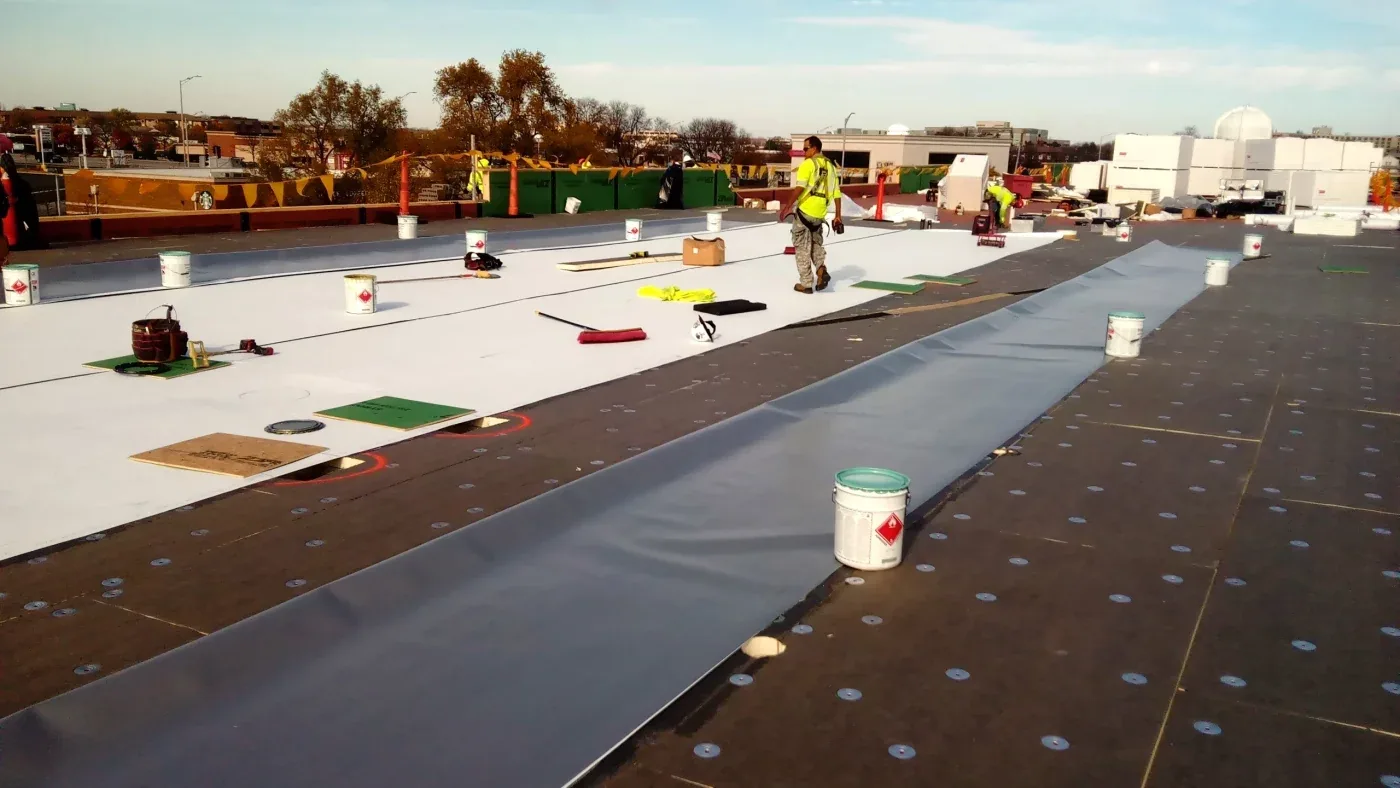
A temperature pattern on a roof can point to a place worth checking, but it does not prove that insulation beneath the membrane is wet. An infrared moisture survey compares surface conditions to identify anomalies for targeted verification. In Cape Coral, high humidity, strong sun and warm-season rain influence how a roof heats and cools, so timing and interpretation matter. We record the survey conditions, map patterns and recommend test locations where useful. Core cuts or other authorized checks then confirm material at specific points. The result is evidence for a repair or recover decision, not a moisture claim inferred from color alone.
Use Thermal Patterns to Direct Investigation
Infrared imaging is most useful when a facility team needs to examine a broad roof area or compare zones that cannot be judged reliably from a ground view. The survey plan should identify roof sections, assembly changes, drains, equipment and areas where prior leaks or repairs have been reported. A pattern can show where heat is retained or released differently from surrounding material. That difference may relate to moisture, but it can also result from shade, insulation variation, ballast, rooftop equipment, surface condition or recent weather.
Before interpreting a scan, note the roof system if known, the time of day, recent rain, cloud cover, surface conditions and access limits. A changing sky or wet surface can reduce the usefulness of comparisons. The surveyor should explain why the selected conditions support the method and whether any roof areas could not be evaluated. Do not treat one image as a complete map of concealed moisture.
On large roofs near Pine Island Road or Hancock Creek Commerce Park, mapping zones and equipment can help teams compare suspect areas with test results. Use existing drawings, repair history and field observations to divide each roof into areas that are meaningfully comparable.
Confirm the Anomaly Before Setting a Scope
After mapping thermal differences, choose verification points that answer a practical question: is insulation wet, has a membrane layer separated, or does the assembly change at this location? An authorized core cut exposes the sampled layers and confirms conditions only at that opening. If the roof contains several sections or repairs, a sample from one area should not be presented as proof about the entire system. Mark every opening on the plan and photograph the layers before closing it.
Testing should be approved by the owner and coordinated with access, safety and any applicable warranty requirements. State who will restore each opening, what temporary protection will be used and how results could alter the repair boundary. If destructive testing is not authorized, label the result as an infrared anomaly rather than a confirmed wet area. A hands-on commercial roof inspection can assess surface details and document what the scan cannot show.
When an active leak is involved, compare the thermal map with interior reports, roof drains, seams and penetrations. The apparent hot or cool area may not align with the visible water stain because water can move within the assembly. A leak investigation traces the water path, while a moisture survey assesses suspected concealed conditions. The two records answer different questions and should be read together when needed.
A Report That Shows Method and Limits
The report should include the roof plan, survey date and conditions, equipment or method used, thermal images, anomaly locations, test points and follow-up findings. Identify areas obscured by equipment or excluded for safety. Separate what the camera recorded from what a core cut or other test confirmed. The repair decision should state what testing confirmed and explain what remains uncertain.
Map anomalies in a way a facility manager can locate from a hatch or roof plan. Use a consistent roof section label and include nearby drains, curbs or parapets as references. Provide both annotated images and the original images when available. The owner should be able to compare the thermal pattern, test location and observed layers without guessing which roof zone is shown.
For a possible recover, survey results can help define where removal or replacement may be necessary, but code eligibility, deck capacity, attachment and existing layer limits still require separate review. Cape Coral follows the Florida Building Code, 8th Edition (2023). The survey is one input to an assembly decision, not a permit determination or a substitute for a complete scope.
Connect Results to Repair or Capital Planning
If tests confirm isolated wet material and the surrounding roof is sound, the owner may consider localized removal and repair. If wet conditions are broad or the roof has repeated failures, compare a recover with replacement using the same mapped findings. Do not assume a survey alone settles system choice, perimeter work or future service life.
Where no moisture is confirmed, the map can still record a baseline and direct routine observation of vulnerable areas. Update roof records with the inspection report, repair history and any later openings. For portfolios, consistent methods support comparison among buildings but do not make their assemblies interchangeable. A roof condition report can consolidate visible findings with test results, and capital planning can organize work by documented need and timing.
Waterfront exposure and shade vary across Cape Coral. Canal proximity, tree cover and rooftop equipment can all affect metal exposure or thermal readings, so select test points from observed conditions at the building. For projects along Pine Island Road or in South Cape, choose test locations from the surveyed assembly and roof evidence rather than the district name.
Commercial Roofing Questions
Does an infrared survey prove there is wet insulation?
No. It identifies temperature differences that may be consistent with moisture and helps select test locations. Shade, equipment, insulation changes, surface conditions and recent weather can also affect patterns. A core cut or other approved check verifies the layers at its location, and the report should state what remains uncertain elsewhere.
When is infrared imaging useful on a commercial roof?
It can help organize investigation across a broad roof or compare suspect areas before opening the assembly. The survey needs suitable surface and weather conditions, an understood roof layout and follow-up testing where the repair decision depends on concealed moisture. It is less useful when areas are obscured or different roof sections are compared without accounting for assembly changes.
How many test cuts will a moisture survey include?
The number depends on the roof size, system changes, anomaly pattern and the decision the owner needs to make. Each sample should answer a defined question and be marked on the roof plan. A handful of openings cannot be represented as proof for every concealed area, so the report must show the scope and limits of sampling.
Can survey results determine whether we should recover or replace?
They inform that choice by showing where testing confirmed wet material and where further review may be needed. Deck capacity, attachment, code limits, edges and the extent of other failures remain part of the decision. Compare the survey map with a hands-on inspection and a written scope before selecting an assembly.
Share roof plans, leak records and the decision you need to make. We will map survey conditions, identify useful verification points and report findings with clear test locations and limitations. Call 555-555-5555 or request a roof assessment for Infrared Roof Moisture Survey in Cape Coral, FL.