
Assess KEE roofing in Cape Coral through membrane condition, welded seams, flashing, drainage and the repair boundary at each building.
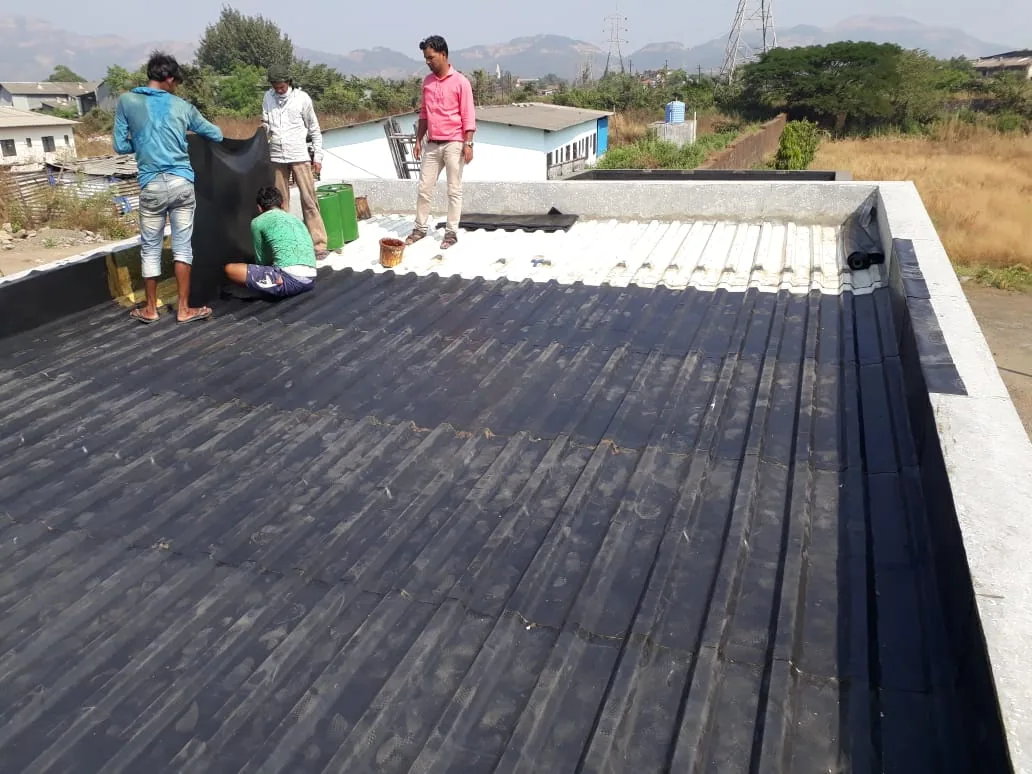
A KEE membrane that has split where a curb meets the field needs a detail review before the patch is cut. We inspect the sheet, weld, flashing height and material below the opening, then define how far sound membrane extends. KEE is a PVC-alloy thermoplastic roofing membrane. Its seams are heat welded, while the repair materials and preparation still must match the installed product. In Cape Coral, FL, high humidity and heavy seasonal rain make a clean surface and a closed work area central to installation. The record follows the field condition.
The Bimini Square development includes residences, outpatient healthcare, restaurants and marina uses; confirm which building and roof zone the work covers before arranging access. We identify each roof zone and operating contact before planning access, then inspect the membrane and adjacent transitions directly. Another candidate, such as PVC roofing, can be compared only after the substrate, exposure and project design are understood.
Confirming the Membrane in the Field
KEE can be mistaken for another thermoplastic sheet when color and surface texture are the only clues. We review existing specifications, labels, repair history and exposed details to identify the assembly. If records do not settle the product, we verify the material before choosing a solvent, primer or patch. Weld settings must suit the sheet and its condition.
Inspect open seams, punctures, wrinkles, exposed reinforcement, patch corners and stress at drains and curbs. Look at the material around each defect rather than measuring only the visible opening. A lifted lap can extend beyond the gap, and water can travel below the membrane before appearing inside. We photograph each finding with a location reference, then note which conditions are confirmed and which need a test opening. A roof inspection can document the whole accessible assembly before a repair or replacement choice is made.
At a larger property in the Cape Harbour waterfront development, distinct buildings and uses require clear roof-zone labels for records and later work. The district's shops, restaurants and residential uses describe the property mix, not the membrane installed on each roof. A field map keeps repair locations tied to the correct structure and facility contact.
Welded Seams and Detail Repairs
A heat weld should fuse the sheets across the intended width without an open channel or an unbonded edge. We inspect the seam after it cools, probe accessible sections and mark weak areas for repair. The surface must be clean and dry, and equipment settings must suit the sheet. At corners and boots, material can wrinkle or pull as the roof moves; the scope identifies each affected detail.
For a small puncture, the repair patch extends onto sound KEE and uses compatible material with rounded corners. A longer release may need a cover strip or reconstruction. If the membrane is brittle, contaminated or detached from the substrate, we document its extent before proposing a surface repair. A coating cannot restore a failed weld by covering it. Where edge metal is involved, edge and coping repairs may need their own attachment and flashing details.
Interior reports help direct the search but do not replace roof-level tracing. For a stain near a wall or equipment curb, a leak investigation can compare the room with seams, penetrations and drainage above it. The report identifies the opening and any nearby area still under review.
Rain Readiness and Coastal Exposure
Cape Coral's warm-season rain and high humidity affect when a surface is ready for a permanent tie-in. Fort Myers Page Field climate normals show about 57 inches of annual precipitation and summer average highs in the low 90s. We protect open areas, keep drains clear and check surface readiness before welding. Wet conditions require temporary closure and a later work window.
Gulf-facing roof sites can receive wind-driven rain, while building shelter changes how salt air reaches exposed metal. At Cape Coral properties, inspect KEE attachment, terminations and drainage after severe weather, then map findings by roof zone.
Sites near open water may face salt-laden air. We inspect exposed fasteners and metal, then select compatible transitions at curbs, coping and walls. Near Bimini Basin, confirm access routes and work periods with the property contact before staging materials.
Attachment, Dry-In, and Closeout
Before replacement, identify the deck, insulation, existing attachment and any layer that would remain. KEE may be mechanically attached or adhered according to the approved assembly. We record the perimeter condition, roof geometry, drainage and equipment clearances, then verify applicable design and permitting requirements. Cape Coral follows the Florida Building Code, 8th Edition (2023); the project team confirms which provisions apply to the specific work. If removal reveals wet insulation or deck deterioration, photograph it for review before expanding the scope.
Sequence work by roof section so open areas can be closed each day. Coordinate deliveries, rooftop access, noise and protected entrances with facility staff. At each transition, confirm that flashing, termination and metal pieces tie into the new field without creating a reverse lap. The closeout file includes weld checks, product details, photographs and any area excluded from the installation. Mark each area by roof zone for later maintenance.
For a recover decision, test layer count and moisture and compare the retained assembly with removal. A recover assessment records what can remain and what still needs verification. If another thermoplastic option better fits the project, compare TPO against KEE using the same deck, detail and exposure assumptions.
Setting the KEE Work Boundary
A repair is reasonable when the surrounding sheet remains sound and a compatible weld can tie into it. Multiple open seams, widespread wet insulation, unstable edges or broad material deterioration may support a larger replacement scope. We mark each area and explain what testing would reduce uncertainty. That gives the owner a choice based on current findings, rather than treating every roof zone as one condition.
Cost and timing follow the actual assembly. Removal depth, deck repairs, insulation replacement, curb adjustments, drain corrections, edge metal and access can change the work. Separate installation from tear-off findings and state how changes will be measured and approved. Detail planned curbs and openings before membrane work begins.
Send the facility address, existing roof records, reported leaks and access requirements. We can inspect KEE seams and transitions, document any necessary tests and return a repair or installation scope for the building.
Commercial Roofing Questions
How can we confirm an existing roof is KEE?
Start with product records or exposed labels, then compare them with the material and details in the field. If identification remains uncertain, verify it at an appropriate location before selecting a solvent, primer or weld method. The repair record should name only the membrane confirmed by those checks.
Can KEE be repaired with standard PVC materials?
Compatibility must be confirmed for the installed membrane and repair product. We check specifications, surface condition and a suitable preparation method before welding or applying a cover strip. A product that bonds to one PVC formulation may not be right for another, so the detail is verified before permanent work.
What should a KEE replacement scope include?
List removal depth, substrate review, insulation, attachment, field seams, curbs, drains, perimeter metal, temporary closure and closeout records. Identify roof sections and explain how concealed damage will be reviewed if tear-off changes the repair boundary. That gives facility staff a scope they can compare with existing records.
Does Hurricane Ian mean a Cape Coral KEE roof needs replacement?
No. The regional event calls for a careful inspection of current edges, terminations, penetrations and drainage, while the property's present condition sets the work. We compare observations with prior photographs or records when available and recommend repair or replacement only where the roof evidence supports it.
Share the membrane submittal or invoice, roof map and current leak reports. We will identify the installed material and set a compatible repair or renewal scope. Call 555-555-5555 or request a roof assessment for KEE Roofing in Cape Coral, FL.