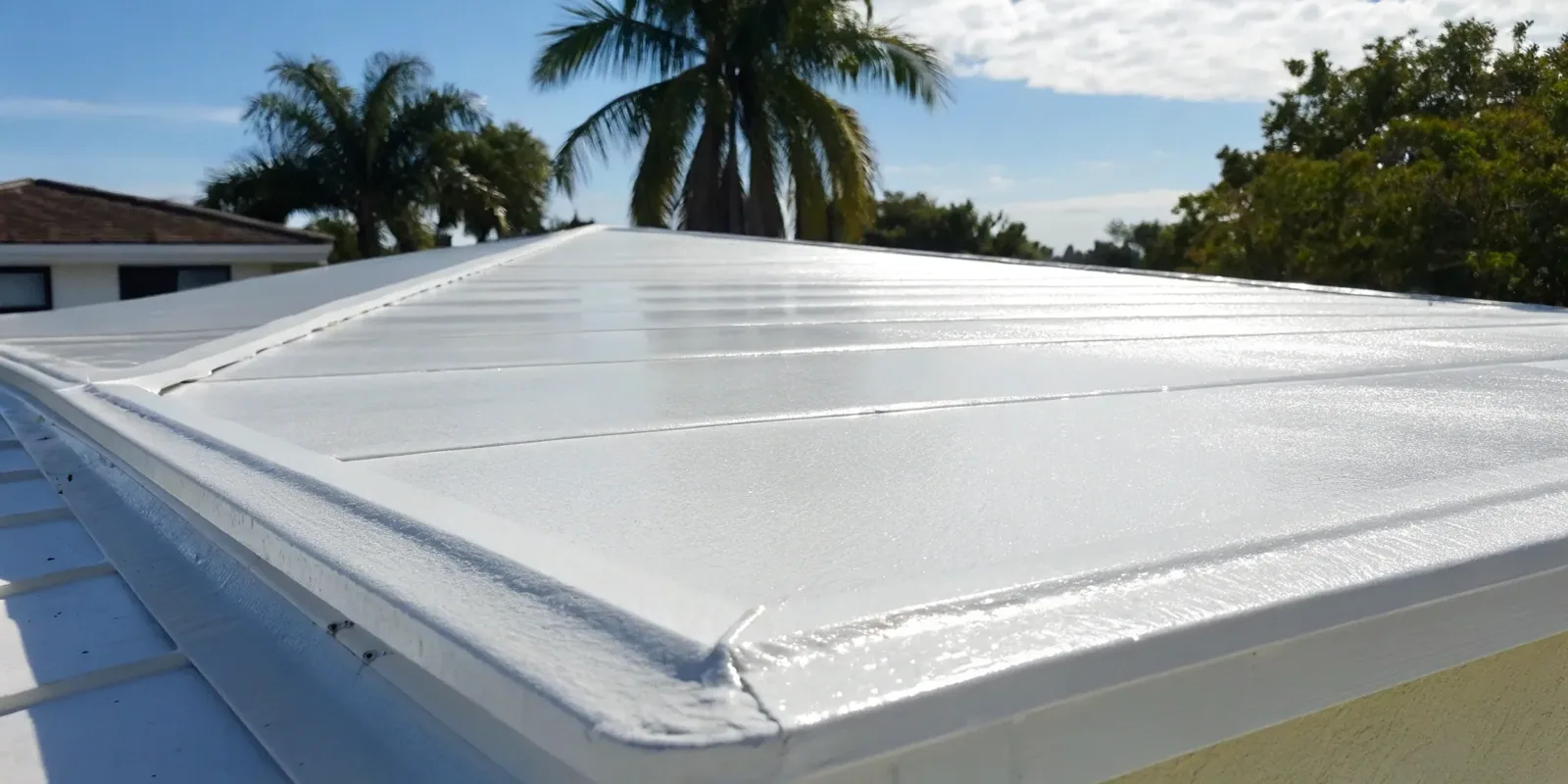
TPO Roofing
Install or repair a Cape Coral TPO roof with attention to welded seams, drainage, edge attachment and the conditions that affect the assembly.

Commercial roof repair, restoration
and replacement in Cape Coral, FL
A membrane edge that lifts under a coping joint and a metal panel with loose fasteners call for different investigations, even when both reports begin as a ceiling leak. We inspect the existing assembly before discussing a replacement or restoration system. In Cape Coral, heat, humidity and recurring rain make attachment, drainage and surface preparation central to that decision. The system must match the roof condition and the building's operating requirements.
Commercial properties range from Pine Island Road's retail and industrial activity to South Cape's mixed-use redevelopment and City Centrum's public facilities. A location does not identify a roof assembly. We use drawings, field observations and testing to establish the layers and edge conditions before recommending options.
Install or repair a Cape Coral TPO roof with attention to welded seams, drainage, edge attachment and the conditions that affect the assembly.

Evaluate PVC commercial roofing in Cape Coral by checking welded seams, chemical exposure, drainage and the condition of each roof transition.
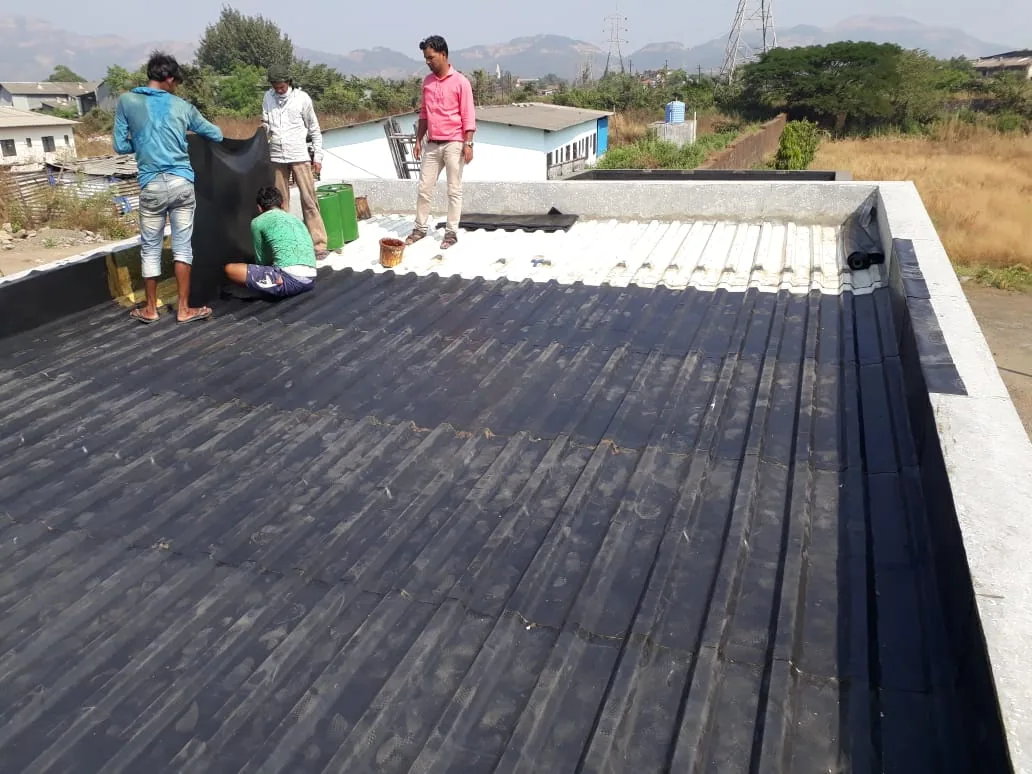
Inspect and maintain Cape Coral EPDM roofs by tracing seam, flashing and drainage conditions before defining repairs or replacement work.
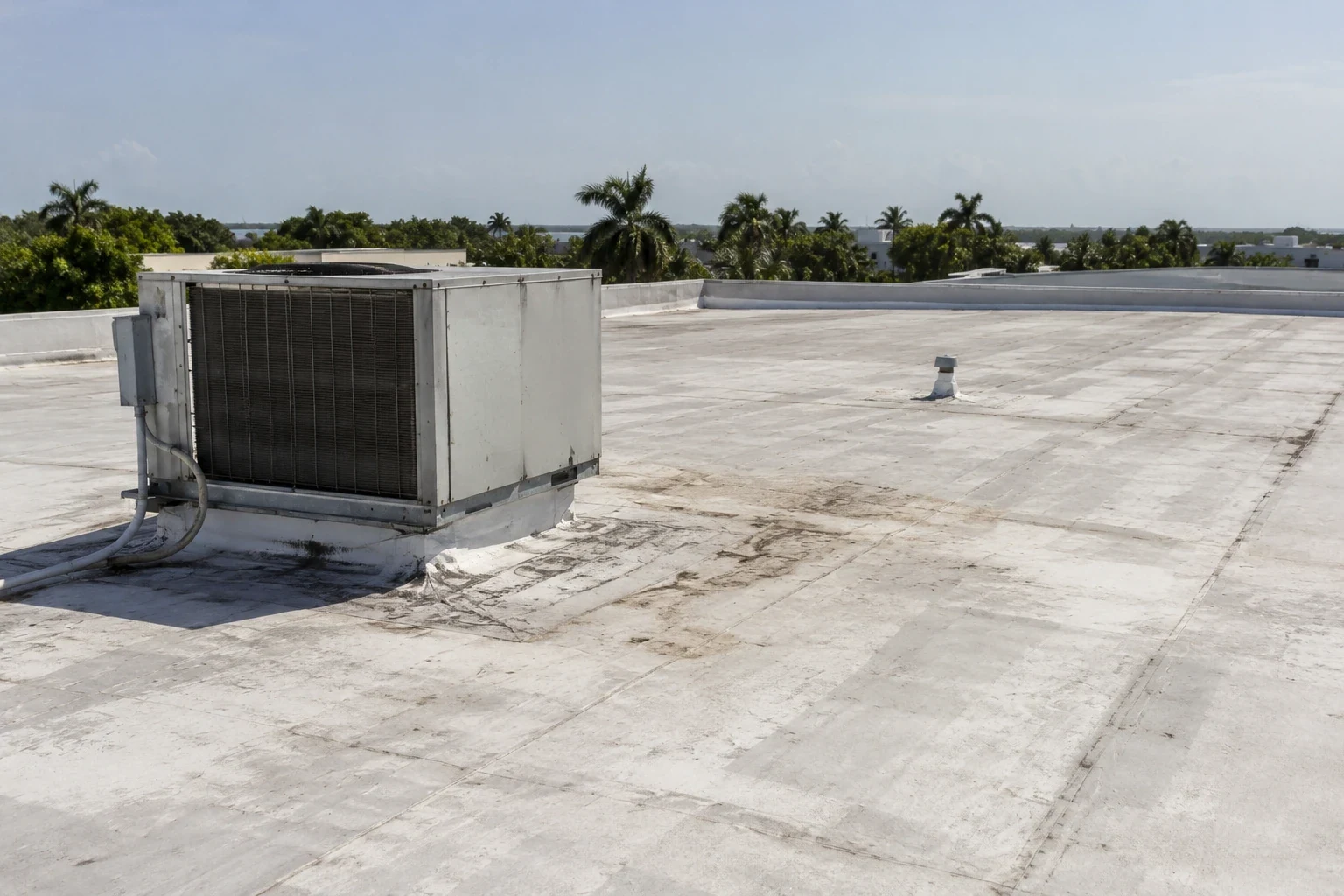
Assess KEE roofing in Cape Coral through membrane condition, welded seams, flashing, drainage and the repair boundary at each building.
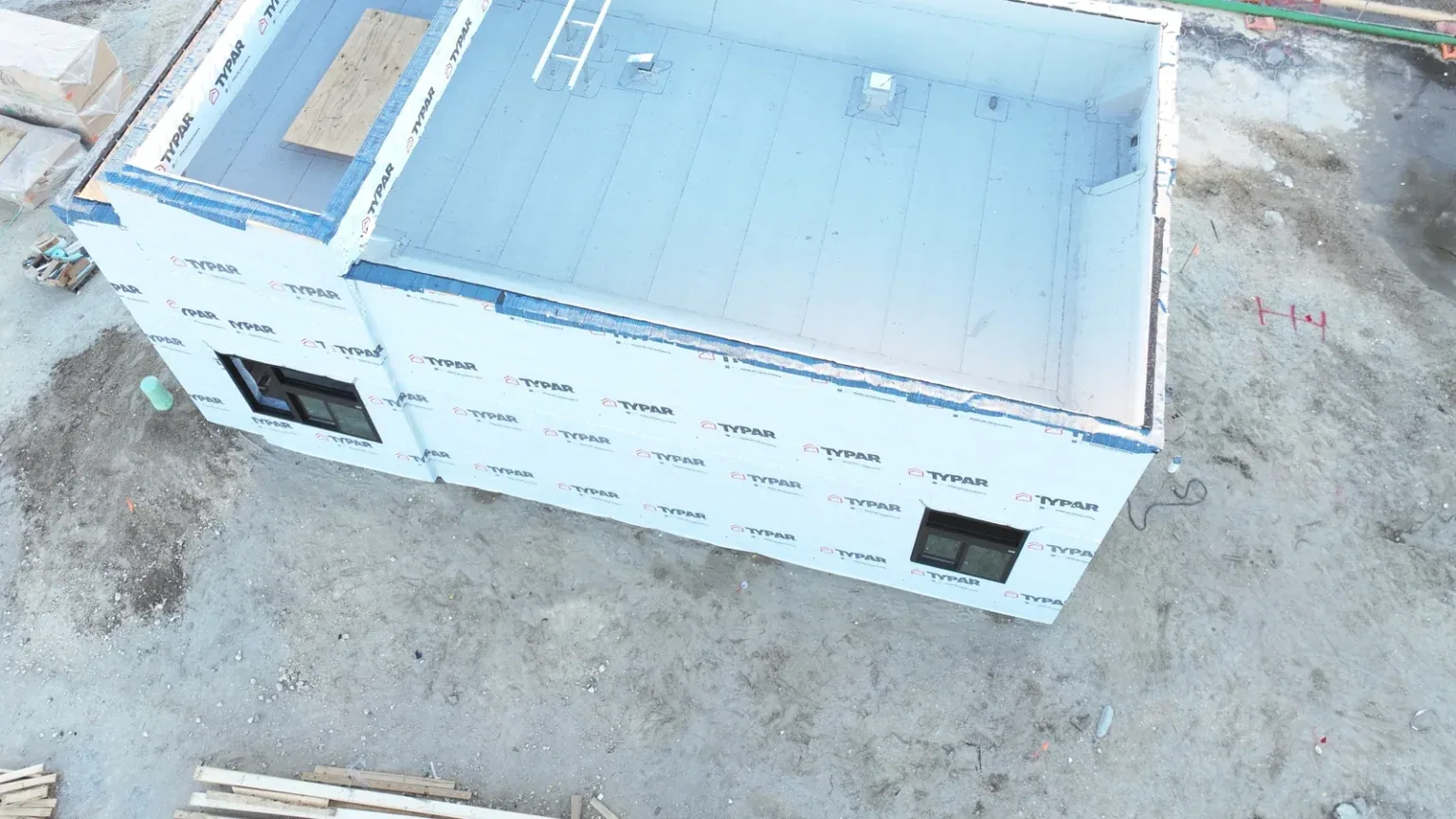
Inspect modified bitumen roofs in Cape Coral for open laps, blisters, flashing defects and drainage issues before scoping repair or replacement.
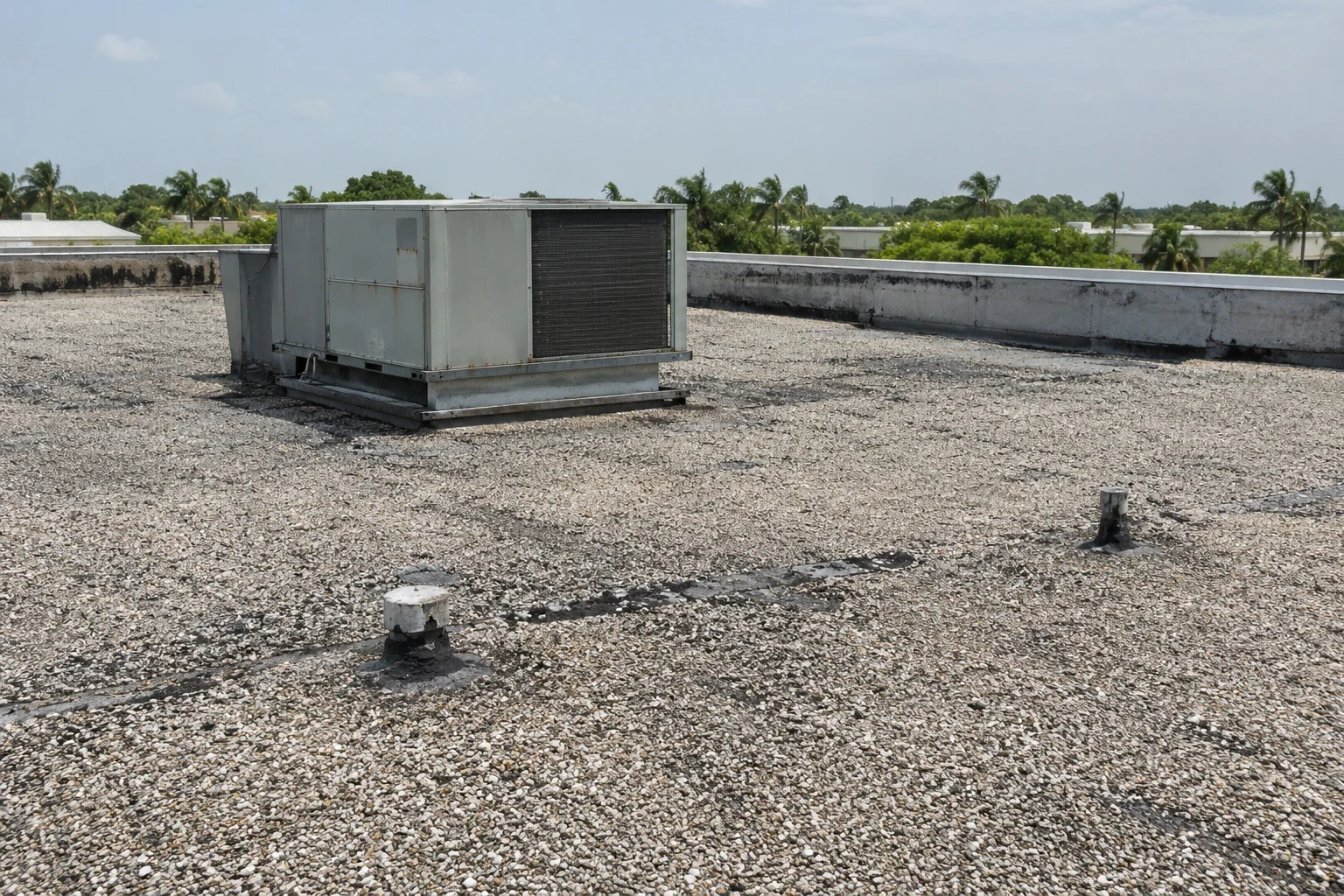
Evaluate Cape Coral built-up roofs by checking ply adhesion, surfacing, drainage and flashing before planning repairs, recover or tear-off.
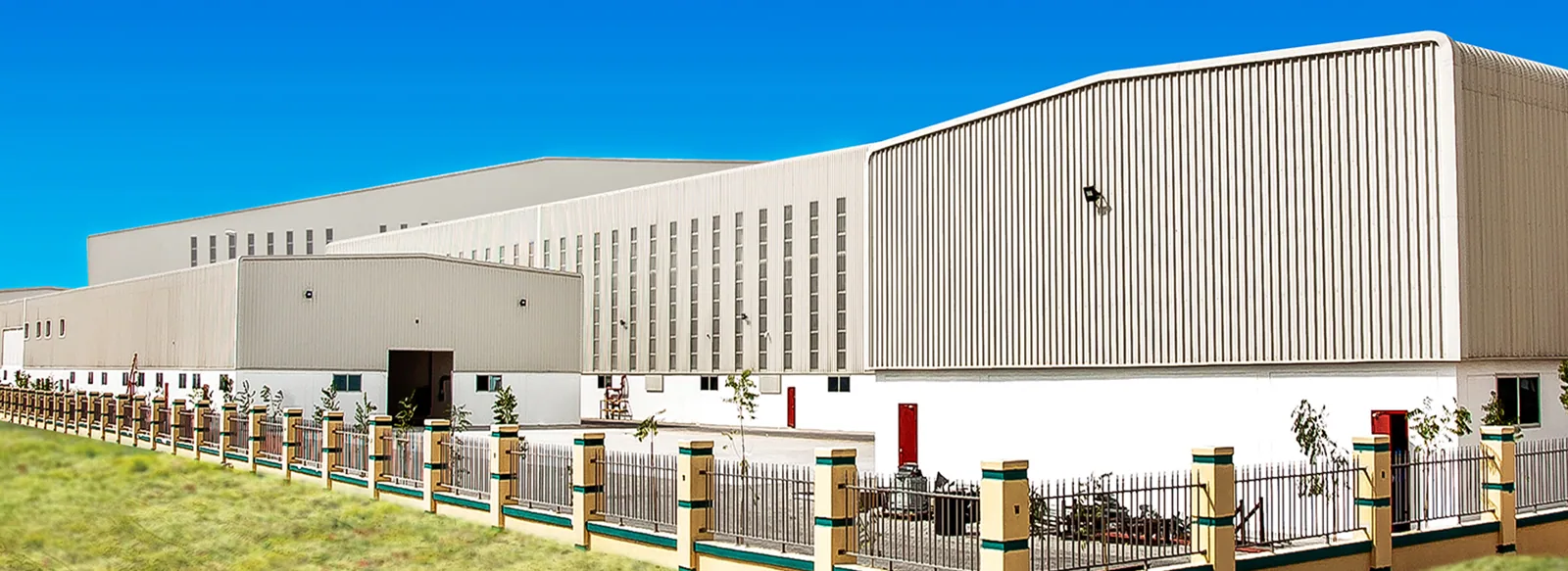
Plan standing seam metal roofing in Cape Coral around panel movement, clip attachment, corrosion, transitions and the building's wind design.
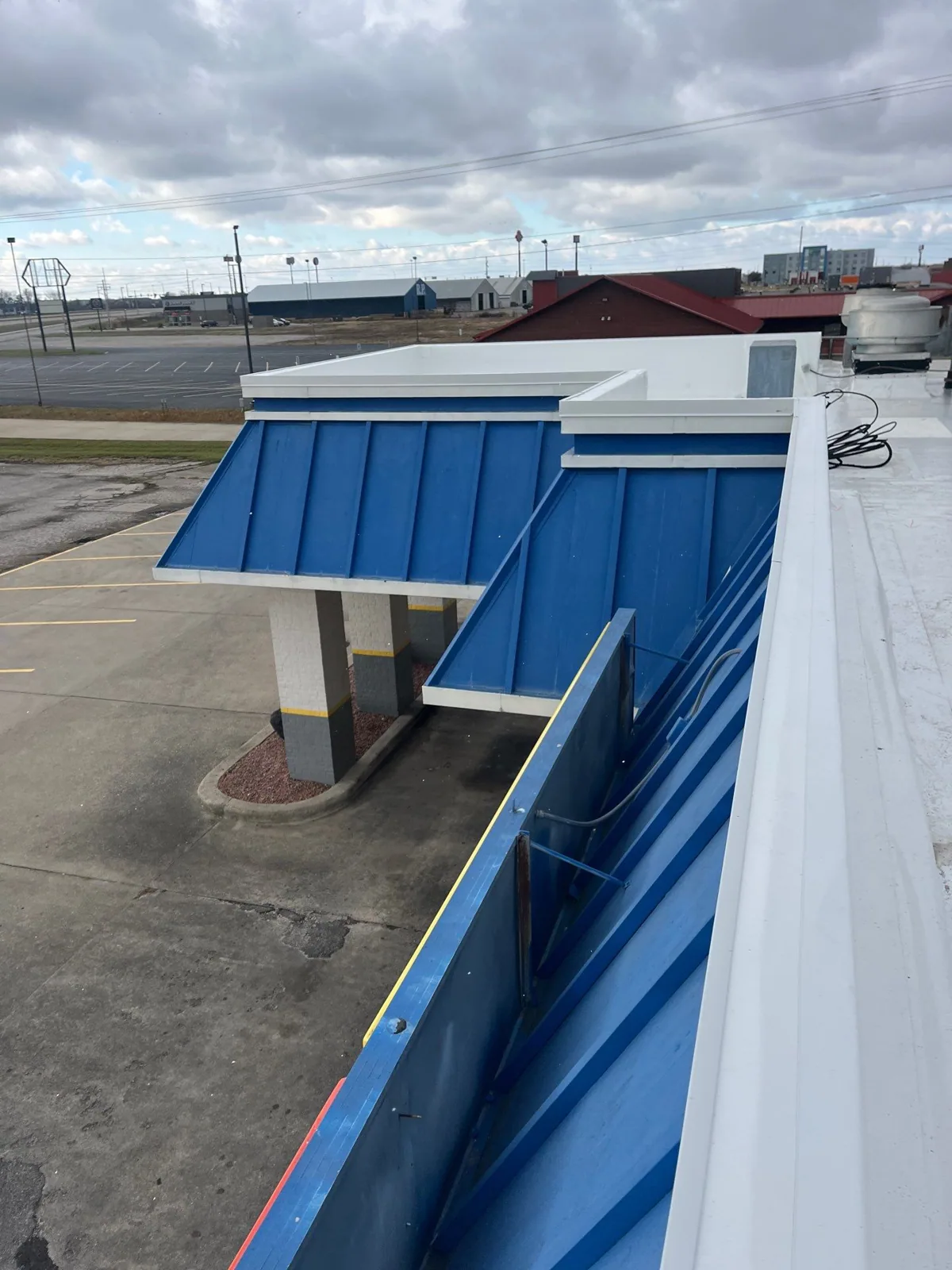
Assess Cape Coral exposed-fastener metal roofs for retrofit by checking panel condition, fasteners, purlins, drainage and attachment capacity.
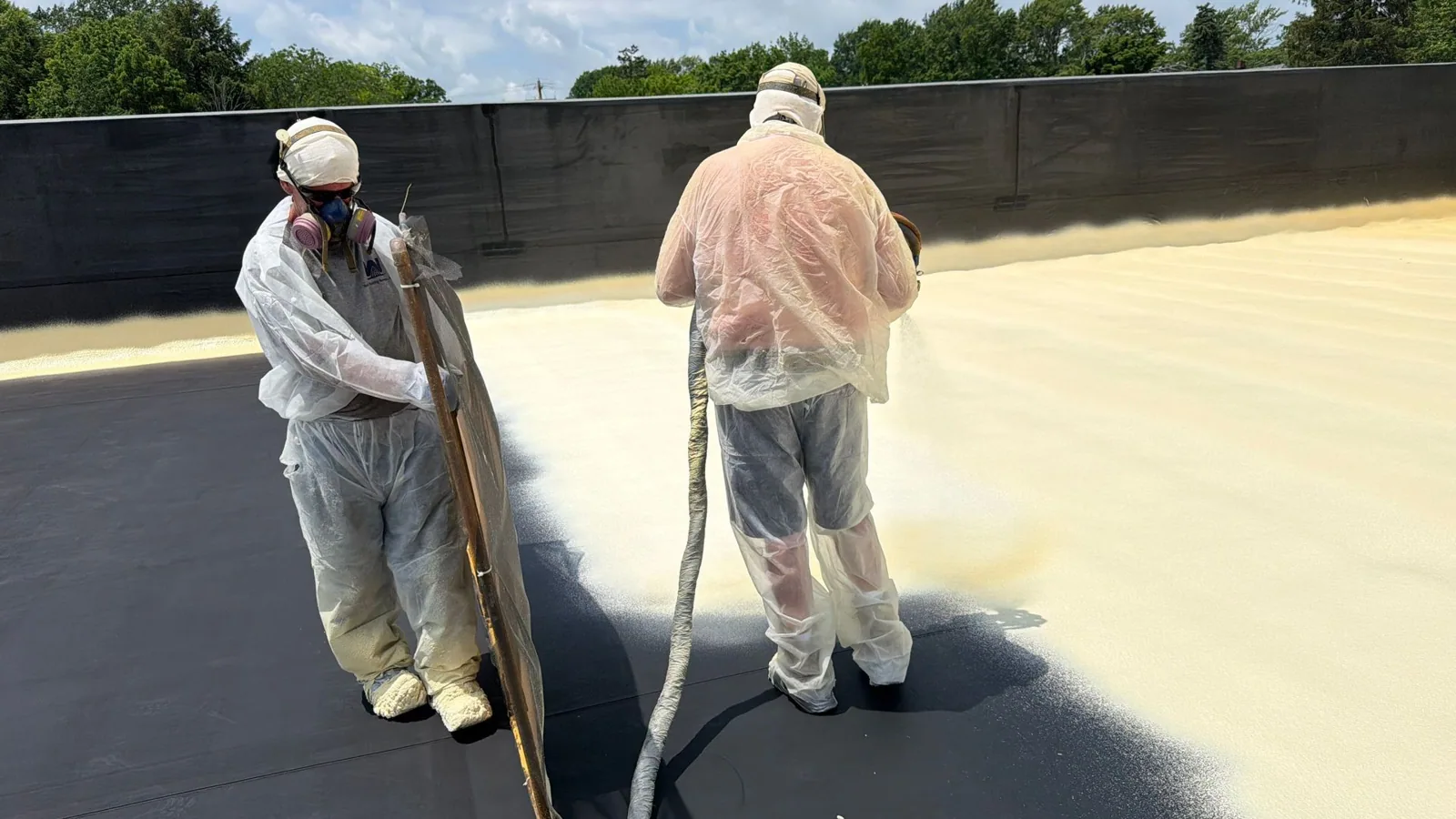
Inspect Cape Coral spray foam roofs for coating wear, wet foam, drainage and flashing failures before defining restoration or replacement work.
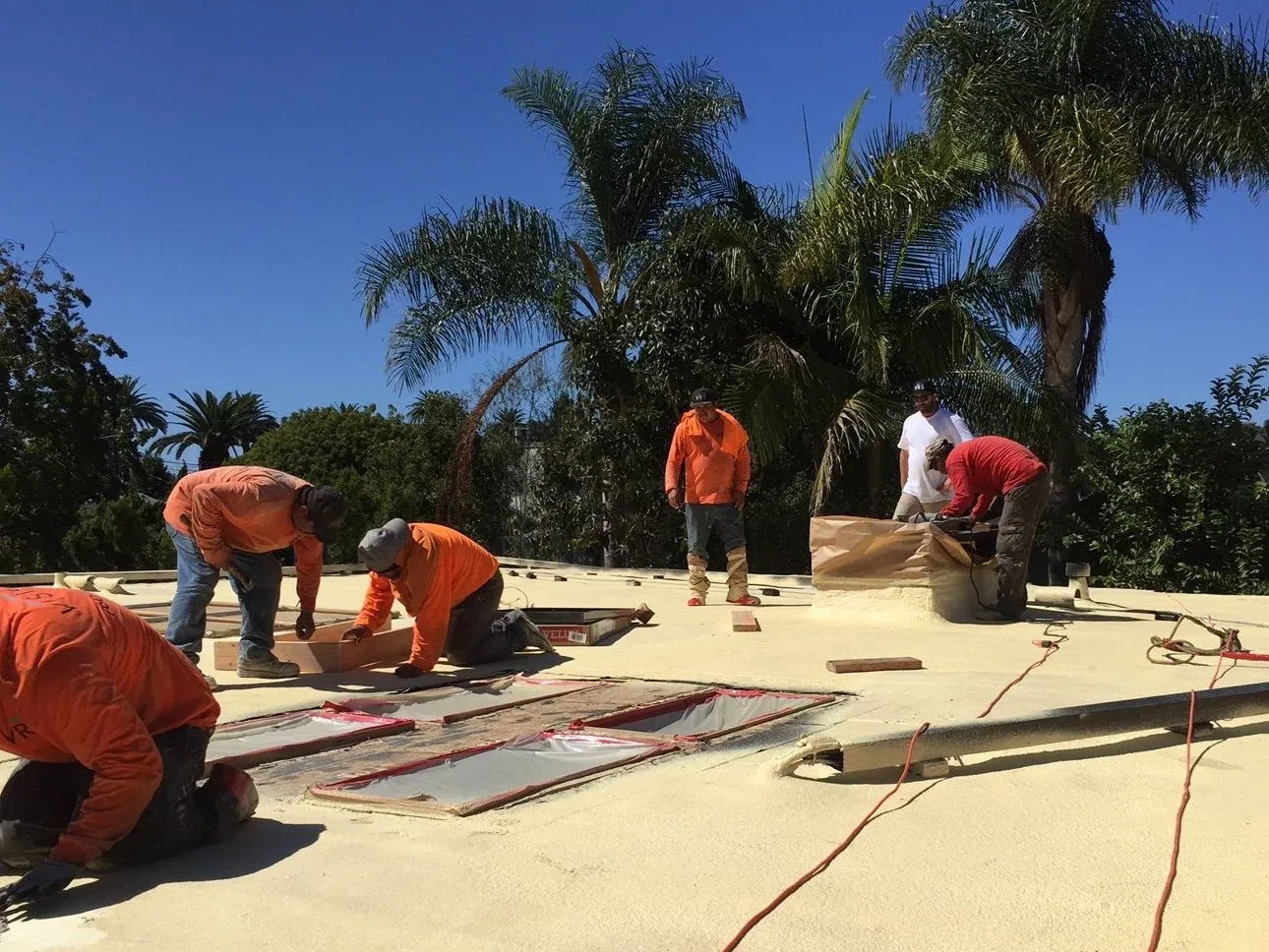
Evaluate silicone roof coating in Cape Coral through adhesion, substrate moisture, ponding, preparation and the condition of existing roof details.
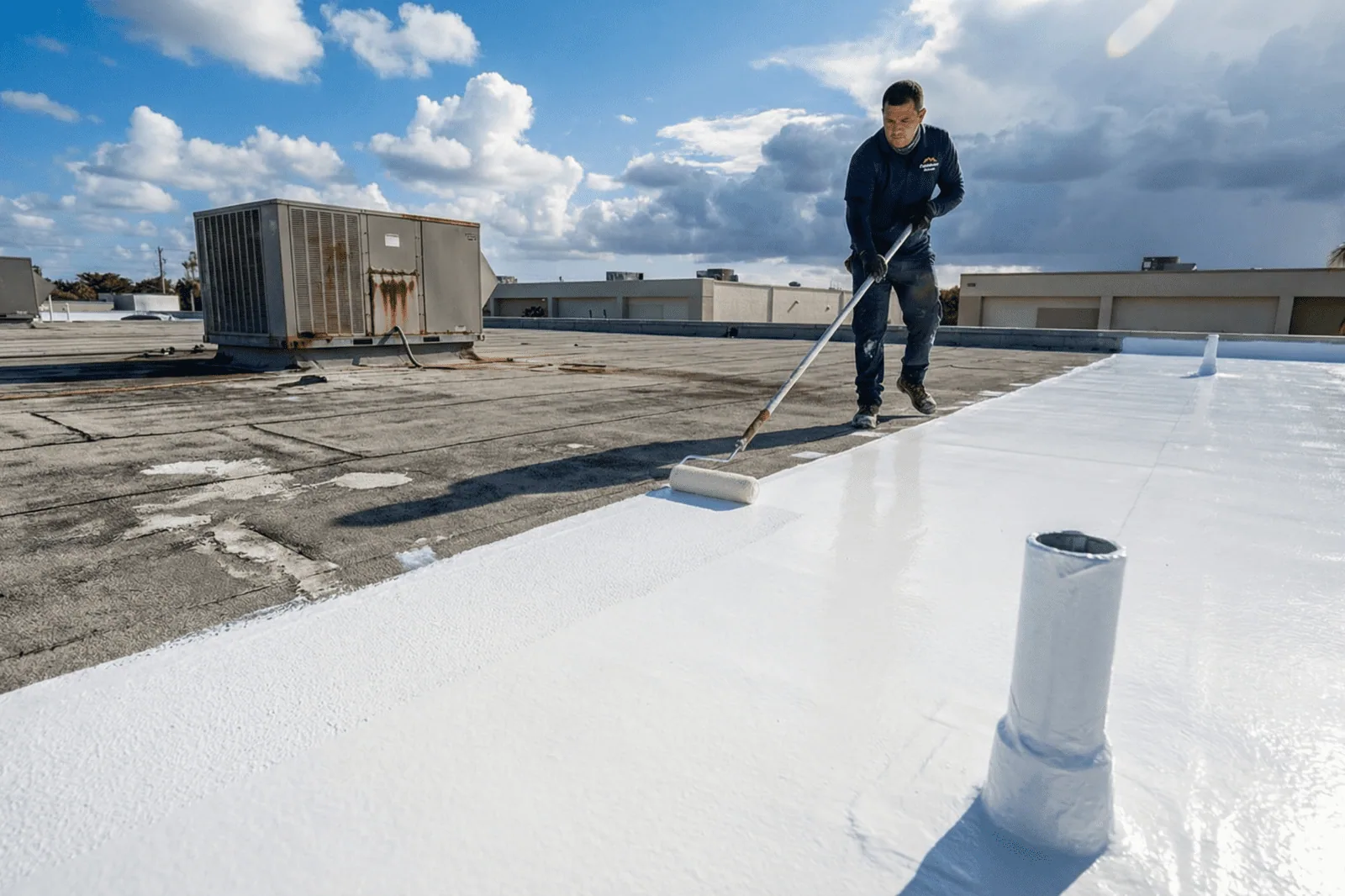
Assess acrylic roof coatings in Cape Coral by checking drainage, adhesion, preparation and the roof details that determine a suitable restoration.
First determine whether the roof is single-ply membrane, built-up, modified bitumen, metal, foam or an existing coating over another assembly. Note deck type where known, insulation, attachment, seams, perimeter details, penetrations and drainage. Our roof inspections map field conditions, while infrared moisture surveys can guide further testing when wet insulation is suspected.
Written findings should distinguish observed material from an assumption based on an old invoice. We photograph transitions and prior patches because these areas often determine whether a proposed system can connect soundly to what remains.
Thermoplastic systems differ in formulation and seam behavior; a repair needs to match the existing membrane and preparation requirements. Review TPO, PVC, EPDM and KEE against the roof's details, exposure and maintenance record, not by color alone. Modified bitumen and built-up assemblies have their own layer and flashing requirements.
On a metal roof, check panel seams, fasteners, clips, corrosion, closures and the supporting assembly before considering standing-seam metal or a metal retrofit. A coating is not a substitute for failed attachment or wet insulation.
Recover, foam and coating systems depend on a suitable substrate, acceptable moisture condition, sound attachment and functioning drainage. We identify trapped water and weak areas before proposing silicone, acrylic or spray foam. Surface preparation and tie-in details decide whether an application can form a continuous assembly.
Fort Myers Page Field normals show hot summers and substantial annual rain for the Cape Coral area. Plan the work window around system-specific application limits and protect exposed sections before weather changes.
The repair-versus-replacement decision follows the mapped roof, moisture results, attachment, deck, drainage, detail count and operating schedule. A restoration scope should state the preparation and areas excluded; a replacement plan should detail insulation, edges, curbs and daily closure. Material, access and testing affect timing and cost.
Share the building address, roof records, leak reports and operating restrictions. We will identify the assembly and present options that can be checked against the field condition. For roofs across Pine Island Road or South Cape, keep a separate condition record for each property.
No. The address provides market context, but the existing layers, moisture, deck, attachment, edges and drainage must be checked. We match the recommendation to those field conditions and the building's use.
A coating is considered when the substrate and existing assembly meet the system requirements, moisture is acceptable, drainage works and the surface can be prepared. Wet insulation or failed attachment requires a different scope.
Compare the assembly, tear-off or recovery assumptions, insulation, edge and penetration details, drainage, preparation, testing, access plan and closeout requirements. The proposals should use the same verified roof boundaries.
A reflective sheet does not remove that review. The assembly, moisture and attachment still need checking; compare surface benefits after the field condition and system requirements are established.
Send the property address, roof records and any leak or repair history. We will inspect the assembly and compare practical repair, restoration and replacement options.
Notifications