
Assess acrylic roof coatings in Cape Coral by checking drainage, adhesion, preparation and the roof details that determine a suitable restoration.
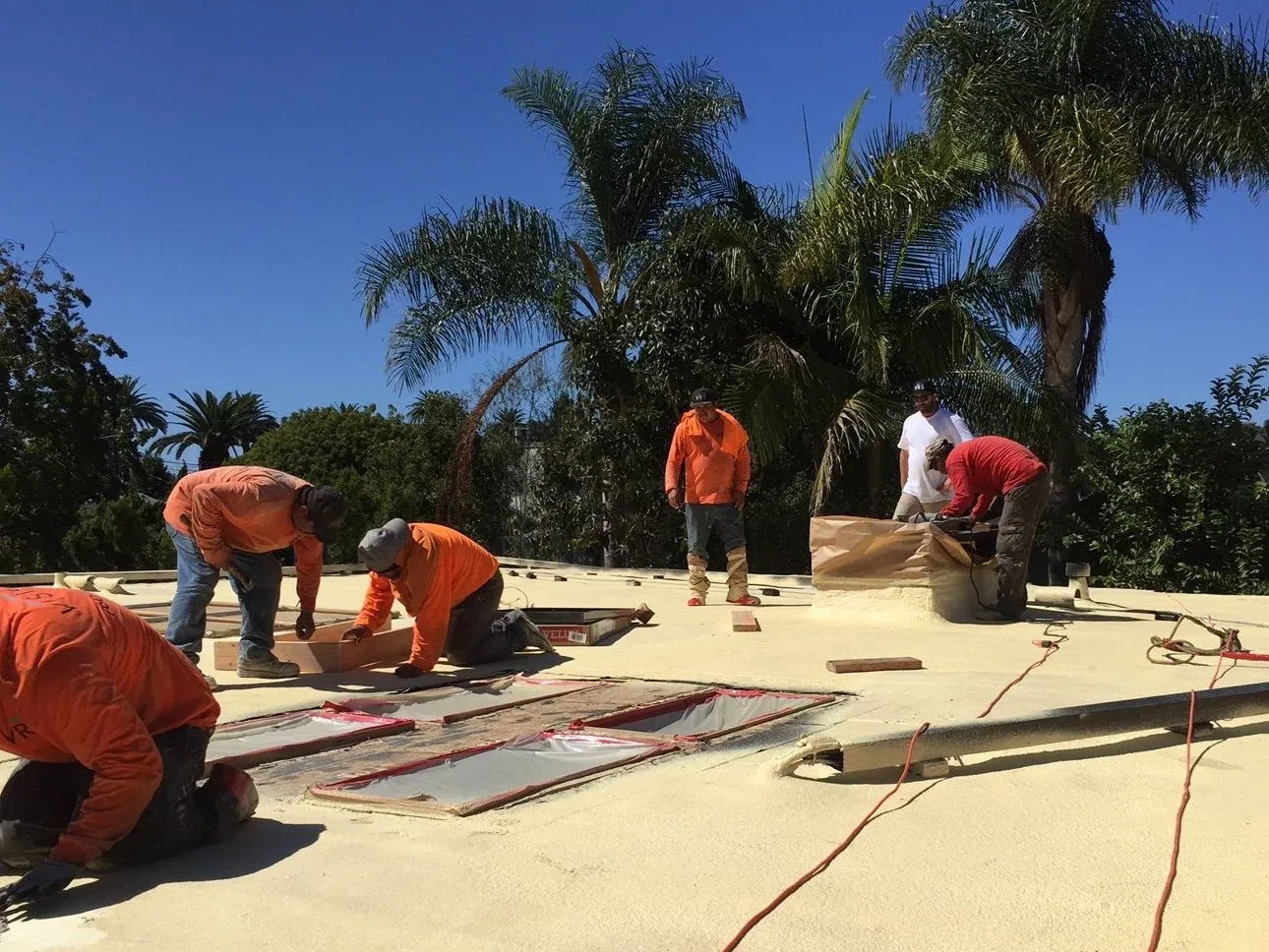
A thin, chalking acrylic film beside a drain is a sign to measure the coating and inspect the surface below it. We check adhesion, cracks, seams and water flow before recommending another application. Acrylic roof coatings are liquid-applied restoration systems used on compatible prepared roofs; the existing assembly still carries the water-shedding and structural duties. In Cape Coral, FL, summer heat, humidity and seasonal rain shape the cleaning, drying and cure window. The owner needs a clear answer about whether the membrane remains suitable for a coating or requires repair first.
In the South Cape CRA, mixed-use commercial buildings operate alongside dining and residential activity. Coordinate work areas and access with the facility contact, then inspect the actual roof surface and transitions. Review the facility’s coating records and inspect the installed surface before selecting a system.
Measure the Existing Surface
We identify the membrane or metal below the coating and review previous product records before selecting a primer or top layer. Look for peeling, chalking, cracks, blistering, exposed seams, rust and areas where water remains. A coating that has lost adhesion should be removed or prepared according to the selected system; applying more material over a loose film can carry the failure forward. We inspect representative sections and map areas that need repair before restoration begins.
Adhesion tests help determine whether the existing surface can accept the proposed acrylic system. Where moisture is suspected below the membrane, thermal imaging can guide sampling, but testing must establish the condition. A roof inspection should document the substrate, drainage, flashings and access limits along with test results. That gives the facility director a defined surface-preparation scope rather than a coating quantity based only on roof area.
At Coralwood Center, tenant turnover and renovation make pedestrian protection and delivery coordination part of an operating-roof coating plan. Inspect the surface and drainage before approving preparation.
Cleaning, Repair, and Reinforcement
Preparation begins with removing dirt, biological growth, loose coating and contaminants that could impair adhesion. We select a cleaning method compatible with the roof and control runoff so drains and occupied areas remain protected. Open seams, punctures, failed sealant, rusted metal and damaged flashing need correction before the acrylic is applied. Reinforcing fabric may be installed at seams or transitions when the system detail calls for it, but it cannot substitute for rebuilding an unstable connection.
Curbs, skylights, pipe boots, parapets and perimeter edges concentrate movement and water. We inspect each transition, replace unsound metal or sealant where authorized, then prepare the surface for a continuous tie-in. A coping and edge review can separate metal corrections from the coating work. If water is entering at a confirmed detail, a roof repair can restore the membrane or flashing before surface treatment begins.
Drain bowls and scuppers need to stay free of coating buildup. Mask or protect outlets during application and confirm flow after the work cures. If the roof holds water, identify whether debris, slope or insulation is involved before using an acrylic system. A drainage assessment can define cleaning or correction as its own work item.
Application and Weather Window
Fort Myers Page Field climate normals average summer highs near 91 to 92 degrees and about 57 inches of annual precipitation. Heat affects roof-surface temperatures, while humidity, dew and rain affect drying and cure. We confirm that the surface and forecast meet product requirements before application, then work in sections that can be protected if weather changes. If rain interrupts the sequence, identify the last completed boundary and inspect adhesion before resuming.
Apply the specified amount in the planned coats, allow drying time between passes and check coverage at transitions, repairs and irregular profiles. A reflective finish can reduce solar absorption at the exposed surface, but the result depends on coverage, color, dirt and ongoing maintenance. We record application zones, coats, material use and cure timing. The closeout file should show drains, flashings and roof edges as clearly as open field areas.
South Cape properties near Cape Coral Parkway can have limited staging and shared access. Agree on delivery points, pedestrian routes, noise and temporary closures with facility staff before work starts. A coating crew should not block access or leave wet material where tenants or visitors must pass.
Acrylic or Silicone Restoration
Acrylic coating generally needs positive drainage and a dry application window. Where ponding is persistent, inspect the cause and compare another system rather than applying acrylic over the basin. Silicone coatings have different water-resistance characteristics and may be considered for certain conditions, but preparation and compatibility still control the decision. Compare the surface, exposure and drainage in the silicone coating assessment before selecting a chemistry.
If the coating sits over spray foam, confirm the foam remains bonded and shaped to drain before specifying an acrylic top layer. The SPF roof assembly needs protection and transitions designed for its profile. If insulation is wet or membrane attachment has failed, a coating does not rebuild the substrate; test and repair or replace the affected area first.
Cape Coral follows the Florida Building Code, 8th Edition (2023). The project team should confirm code and permit requirements for the proposed restoration. The proposal states coating type, surface preparation, primer, repairs, application rate, reinforcement, dry conditions and any maintenance checks included.
Maintenance After Restoration
Keep the roof plan marked with coating limits, test points, repairs, drains and transitions. Photograph representative field and detail areas after cure, and retain product data and application records with the facility file. If a future inspection finds peeling, cuts or renewed ponding, the map helps determine whether the condition follows a prior repair or occurs in a different area.
Maintenance includes clearing drains, removing debris without damaging the film and addressing new openings before they expose the membrane. A coating restoration review can reassess adhesion and preparation when the finish changes. If failures recur across multiple zones or the substrate is unstable, compare a new roof assembly with further coating rather than extending treatment over unsound material.
Send the Cape Coral address, previous coating information, roof plans and reported condition. We can inspect the surface and drainage, identify needed repairs and document whether acrylic restoration fits the building.
Commercial Roofing Questions
Can acrylic coating be applied where water ponds?
Acrylic systems generally need positive drainage. We inspect the basin and outlet to determine whether cleaning, slope correction or insulation work is needed, then compare coating options that fit the actual condition. Persistent water should be addressed in the scope before an acrylic finish is applied.
How do you know if an existing roof can accept acrylic coating?
We identify the substrate, inspect prior coatings and perform adhesion testing on representative areas. Open seams, loose film, rust and wet insulation need correction before coating. The written scope maps preparation and any area excluded from restoration.
Does a reflective acrylic coating reduce roof heat?
A reflective finish can limit solar absorption at the exposed surface when coverage is sound and the film stays clean. It does not correct insulation gaps, air leakage or failed drainage. We specify the system and maintenance needed for the roof rather than promising a particular indoor temperature change.
What should happen before coating starts in Cape Coral?
Confirm surface compatibility, drain flow, repairs, access and weather conditions. Warm-season rain can change the application window, so the plan should define section size and temporary protection. Facility staff should also coordinate deliveries and safe routes around the work area.
Provide the Cape Coral address, coating history, roof plan and reported defects. We will inspect adhesion, drainage and details, then document preparation and restoration options. Call 555-555-5555 or request a roof assessment for Acrylic Roof Coatings in Cape Coral, FL.