
Inspect Cape Coral spray foam roofs for coating wear, wet foam, drainage and flashing failures before defining restoration or replacement work.
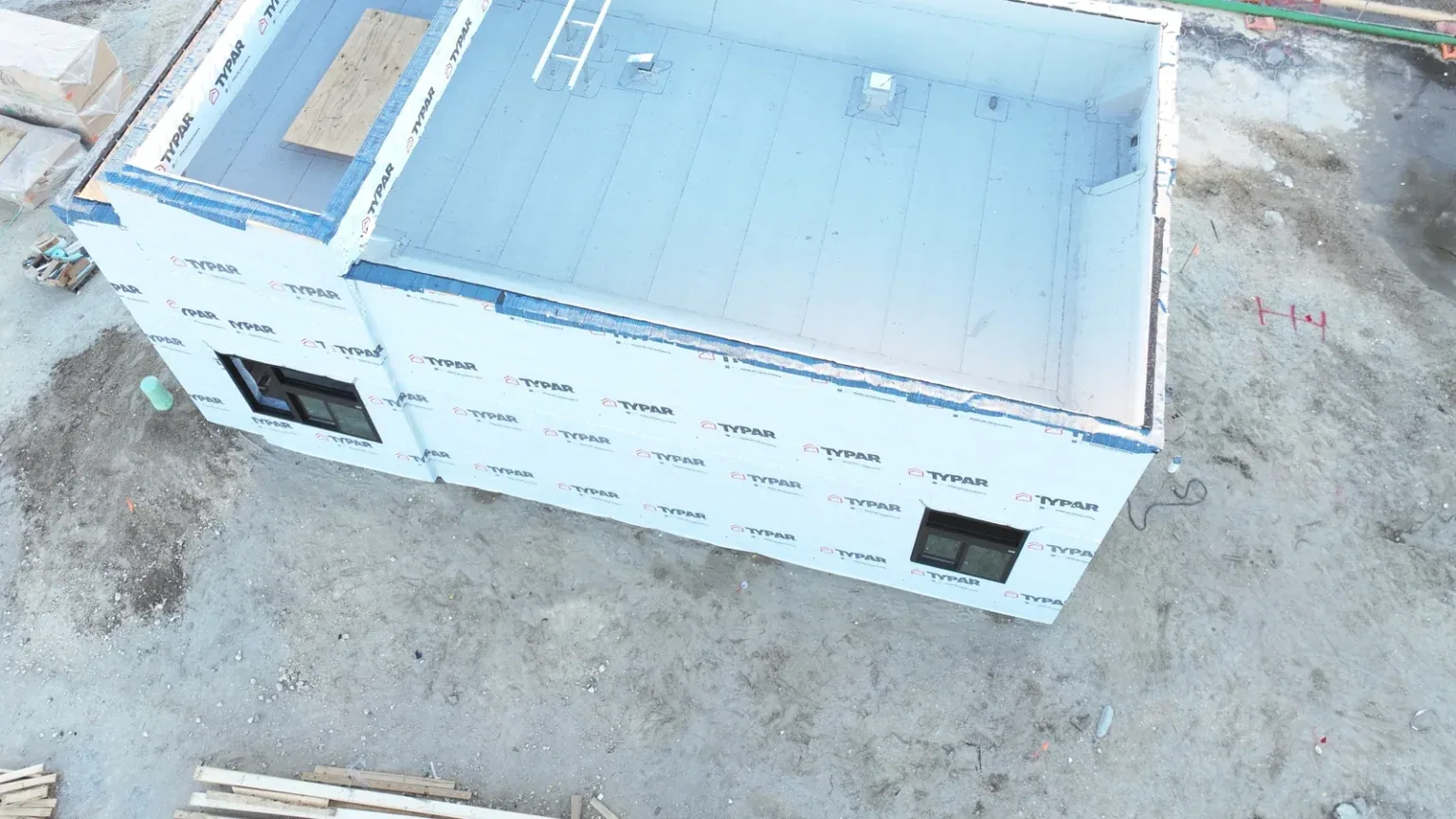
A worn coating over spray foam leaves the insulation exposed to sunlight and water. We inspect the protective surface, foam profile, drainage and transitions before deciding whether a localized repair or broader restoration is supportable. Spray polyurethane foam forms a continuous layer that can follow roof geometry, then receives a protective coating that shields it from ultraviolet exposure and weather. In Cape Coral, FL, warm humid air and seasonal rain make coating condition and water flow part of routine roof review. The facility director needs to know whether damage stops at the coating or reaches the foam beneath it.
At the Cape Coral Hospital campus, coordinate roof access around emergency, inpatient and outpatient operations, then verify the assembly and define work zones with the facility contact before spraying or coating.
Coating Wear and Foam Profile
Inspect for thin or missing coating, cracking, blisters, ponding, punctures and exposed foam. A surface defect should be examined for soft or wet material below it. We map the area, check coating thickness where specified and identify whether the foam remains firmly attached to the substrate. If the foam has separated, degraded or absorbed water, a new coating over the top will not restore the bond. Remove damaged material to sound foam, prepare the edge and rebuild the profile according to the approved system.
Texture changes can indicate uneven spray thickness, overspray or later repairs. We examine valleys, ridges, drains and transitions where runoff concentrates, and compare the surface with available installation records. A core sample may clarify layers or moisture at its location when authorized. The roof inspection should distinguish coating deterioration from foam damage and identify any area that needs testing. Photographs from several angles help a maintenance manager locate the same condition on a later visit.
At mixed-use properties around Bimini Square, mark roof sections and shared access points before scheduling work. Bimini Square combines residences, outpatient healthcare, restaurants and a garage. Confirm the building’s roof layout and foam condition, then coordinate access with its operating contact.
Moisture and Drainage Checks
Water follows the surface profile and can remain at a low point even when the foam is intact. Check drains, scuppers, overflow paths and the transitions where the coating meets a curb or parapet. If water collects repeatedly, identify whether the outlet is blocked or the foam profile and substrate hold a basin. A drain cleaning may restore flow; a low area may need rebuilding before a coating is applied. We record the conditions that determine which correction belongs in the scope.
Fort Myers Page Field climate normals record about 57 inches of annual precipitation, so schedule foam and coating work with a secure end-of-day closure and a weather-ready protection plan. The substrate must be dry and clean before foam or coating is applied. We stage manageable sections, protect open areas at each shift and confirm the forecast and surface conditions before starting. A drainage assessment can separate outlet maintenance from a slope or insulation correction.
Infrared imaging may help select areas for sampling when the roof has a moisture concern. Thermal patterns guide an investigation; they do not establish foam condition by themselves. If a test is approved, mark the sample point and restore the opening with a compatible detail. The moisture survey should state where readings were taken and how each result affects the repair boundary.
Repairing Foam and Flashing
A puncture in the coating should be cleaned and prepared before a compatible repair is applied. If the foam beneath is sound, the repair can rebuild the protective layer and tie into coating that remains well bonded. When foam is wet or damaged, remove it to a stable edge, replace it and recreate the roof profile so water drains as intended. The repair detail includes coating coverage, cure conditions and any required reinforcement at a change in plane.
Parapets, curbs, pipes, skylights and equipment supports need durable transitions between foam, coating and metal. We inspect the termination, sealant and substrate, then determine if the existing flashing can remain. A rooftop unit or conduit installed after the roof may have left an incompatible penetration. Where the transition has failed, penetration flashing work should identify the exact curb or opening and connect to sound coating beyond the defect.
At a reported interior leak, compare the room with coating openings, drains and rooftop details above it. Water can travel through the assembly before appearing inside. A leak investigation connects the visible stain to roof evidence and tells the owner whether a test or localized repair is supported.
Restoration and Recoat Planning
A recoat can extend a suitable SPF assembly when the foam is attached, dry and shaped for drainage. We inspect existing coating, adhesion, repairs and flashing, then specify cleaning, preparation, primer and the new protective layer. The coating system must be compatible with the prior surface and use conditions. Where foam has widespread damage, a coating alone cannot rebuild the missing insulation or correct an unstable substrate.
Silicone and acrylic systems respond differently to standing water and project conditions. A silicone coating may suit a roof where water exposure and substrate support the system; an acrylic coating has different application and weather requirements. The project scope should name the system, surface preparation, reinforcement at details, coating thickness and cure window. Do not compare products by color alone.
Cape Coral follows the Florida Building Code, 8th Edition (2023). The project team confirms the design and permitting requirements for restoration or replacement. For a larger property near Del Prado North Commerce Park, sequence deliveries and equipment access around facility operations. A restoration scope should map where existing foam remains and where removal or rebuilding is needed before the finish layer is applied.
Closeout for the Facility File
The closeout should show repaired zones, foam replacement, coating system, preparation and photographs of drains, edges and penetrations. Identify areas that were not opened or tested so future work starts with a clear boundary. If water continues to pond or coating loss returns, the maintenance team can compare new findings with the prior map rather than repeating the same survey from memory.
Repair is appropriate when damage is localized and surrounding foam remains bonded. Widespread wet foam, separation, recurring coating failure or drainage problems may support replacement. We document the observation, test and decision needed for each zone, then compare restoration with a new assembly using the same evidence. A coating restoration review can help organize preparation and material requirements where the foam remains suitable.
Send the Cape Coral address, roof records, leak locations and access rules. We can inspect coating and foam, identify testing needs and prepare a repair or restoration scope tied to the facility.
Commercial Roofing Questions
How can we tell if damage reaches the foam below its coating?
We inspect coating adhesion, foam firmness and the area around the opening. A test sample may help identify concealed moisture or separation when authorized. The report ties each observation and sample to a location, then defines whether the repair can stay at the protective layer or must rebuild the foam.
Can a spray foam roof be recoated?
A recoat depends on attached, dry foam, a suitable profile and compatible surface preparation. We check existing coating, flashing and drainage before naming a new system. If the foam has absorbed water or separated, remove and rebuild affected areas before the finish layer is applied.
Does a new coating fix ponding on an SPF roof?
Coating protects the foam but does not correct a low profile or blocked outlet. We inspect the drainage path and determine whether cleaning, foam rebuilding or a separate slope correction is needed. Keep the intended flow open when the new coating is installed.
What should a Cape Coral SPF roof scope include?
Include existing coating condition, foam profile, moisture tests, repair limits, surface preparation, selected coating, flashing work, drainage and cure conditions. Warm-season rain affects the work window, so the sequence should also state how exposed sections will be closed if conditions change.
Send foam and coating records, roof photographs and the reported failure areas. We will inspect surface condition, drainage and transitions to identify viable next steps. Call 555-555-5555 or request a roof assessment for Spray Polyurethane Foam Roofing in Cape Coral, FL.