
Install or repair a Cape Coral TPO roof with attention to welded seams, drainage, edge attachment and the conditions that affect the assembly.
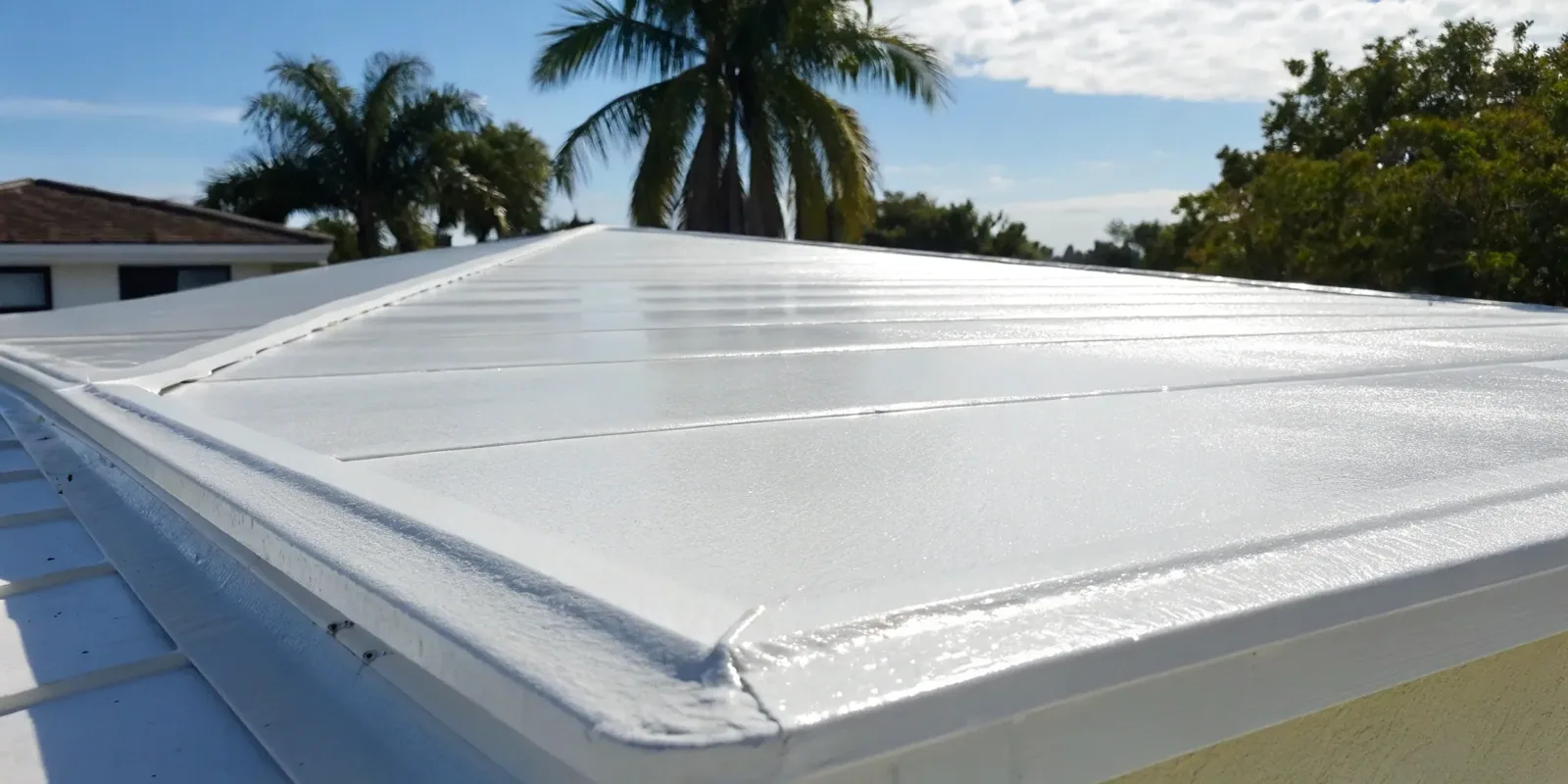
A TPO seam that has separated at a drain or curb needs a closer look before anyone welds across it. We check the membrane, adjoining flashing and surface beneath the lap, then mark where sound material can accept a repair. In Cape Coral, FL, heat and humid air place steady demands on roof details, while warm-season rain tests whether water can reach the outlets without crossing an open joint. The system is only as useful as its field seams, penetrations and terminations working together. If wear extends beyond one detail, compare a targeted commercial roof repair with replacement after the affected areas are mapped.
TPO is a thermoplastic single-ply membrane. Seams are joined with heat, and flashings are formed or fitted around changes in plane. We identify the installed membrane, attachment method and detail condition before recommending work. At properties along the Pine Island Road corridor, confirm commercial operations, roof access and staging at the address before setting the scope.
Field Seams and Material Condition
A welded lap should have a continuous bond across its width, with no open edge, fishmouth or channel that can carry water. We inspect representative seams and trace a split toward corners, penetrations or previous patches. We document contamination, brittleness or old coating before setting the repair boundary. New material must bond to a prepared surface and remain compatible with the existing TPO.
Discoloration alone does not settle whether a sheet has failed. Foot traffic, equipment work, ponding and exposed reinforcement each point to different follow-up. We photograph the location with enough surrounding detail to find it again, then state whether the finding is a seam repair, flashing correction or broader assembly question. Infrared patterns may guide sampling if wet insulation is suspected, while a hands-on roof inspection records accessible seams, transitions and drainage. Testing confirms whether a thermal pattern reflects wet insulation.
The building plan helps connect findings to operations. At Hancock Creek Commerce Park, coordinate roof sections and equipment zones with planned office, flex, manufacturing and warehouse projects before pricing repair or replacement.
Flashings at Curbs and Edges
TPO details are most vulnerable where the roof changes plane or material. A curb, pipe, skylight, parapet or edge termination needs a closed transition that accommodates movement and sheds water back onto the field. We inspect corners for wrinkles and gaps, check whether metal is secure, and confirm flashing rises and terminates as the system requires. A replaced or shifted rooftop unit may leave flashing that no longer fits its curb.
At a wall, the membrane and termination must work with the substrate and counterflashing. We check fasteners, corrosion, failed sealant and movement at the joint. Review windward edges, where uplift concentrates, against the fastening pattern and deck condition. If removal is authorized, we document exposed layers and stop where sound material can receive the new lap. Edge metal and coping work should be described separately when it extends beyond membrane repair.
When water appears indoors, we compare the reported room with roof details above and around it. The entry point may sit away from the ceiling mark. A leak investigation traces the path and keeps unrelated flashing outside the repair scope.
Drainage and Warm-Season Rain
Standing water changes how a TPO roof should be evaluated. We check the drain bowl, clamping ring, strainer, scupper and nearby membrane for debris, low areas and open flashing. A blocked outlet may need service; a persistent basin can point to slope, deflection or compressed insulation that cleaning will not correct. The 1991 to 2020 Fort Myers Page Field precipitation record totals near 57 inches a year, so keep drains open and secure each exposed section before a shower. A clear drainage path and reliable dry-in matter during repair work.
Before installation, we verify where water is intended to move and whether tapered insulation, sumps and drains align with that plan. Added equipment, altered curbs or a previous recover can interrupt the path. Where the roof retains water, note the extent during the visit if conditions allow. A drain and scupper assessment can define corrections before new membrane covers the area. At each shift, we close exposed sections against rain.
Drainage work often intersects with insulation. If a wet area is confirmed, replacement should reach a sound boundary and restore slope where the approved design calls for it. The report names each test location and ties proposed corrections to the TPO field and adjacent details.
Attachment and Installation Sequence
A TPO installation begins with a verified substrate and fastening or bonding plan. Mechanically attached systems rely on fasteners and plates at a defined pattern. Adhered systems require compatible adhesive and a clean prepared surface. Ballasted assemblies use a different restraint approach. Deck, wind design and geometry guide the attachment choice. Cape Coral uses the 2023 Florida code edition; project review sets permitting and design provisions for this assembly.
Installation sequencing protects the tie-ins. We stage rolls and insulation where they do not block drains or interfere with facility access, then set the field membrane and weld seams under suitable surface and weather conditions. Every day ends with a check of terminations, open edges and temporary closures. For occupied facilities, we agree on routes, noise windows and rooftop access before work begins.
After welds cool, we probe seams, examine corners and penetration boots, and photograph the completed sections. We record materials and concealed conditions that changed the work. A comparison can include PVC roofing and EPDM roofing when geometry and use make those options relevant.
Repair, Recover, or Replace
A localized weld failure may be repairable when the surrounding sheet remains clean, stable and compatible with new membrane. Repeated openings, widespread wet insulation or edge attachment problems can require a larger scope. We map affected zones, identify test results and separate known work from conditions that would be visible only after removal. A recover is considered after the existing layer count, moisture, deck capacity and code requirements are reviewed. If the assembly cannot support another layer, removal is the clearer path.
Coatings should not be treated as a substitute for a failed TPO seam or unstable flashing. They may fit a prepared surface under a compatible system, but the substrate and details must be suitable. Compare restoration with replacement using the same documented conditions. The proposal names the membrane, attachment, flashing, drainage work, exclusions and closeout record.
Provide the facility address, roof plans, prior repairs, leak locations and access rules. We inspect the field, identify useful tests and set installation and repair limits for the facility.
Commercial Roofing Questions
How can a TPO seam be checked before a leak spreads?
Start with the full lap, then inspect the adjoining sheet and substrate. We probe accessible welds, mark openings or weak areas on a roof plan and look at the detail that terminates the seam. Where moisture may have traveled below the membrane, testing should identify specific sample points before the repair boundary is set.
What does standing water mean for a TPO roof?
A basin may reflect a blocked drain, poor slope or a change in the assembly. We inspect the outlet and surrounding insulation, then determine whether maintenance, drainage correction or further evaluation fits the observed condition. Cape Coral's heavy warm-season rain makes a clear drainage path useful before a storm period.
Can a damaged TPO roof be coated instead of replaced?
A coating is considered only when the existing surface and details can support the chosen system. Open seams, wet insulation, loose edges and unstable flashings need correction first. We document preparation requirements and compare restoration with replacement when a surface application would leave an underlying problem unresolved.
Which records help price a TPO installation?
Useful items include the roof plan, deck information, past repair notes, leak locations, equipment schedule and prior membrane specifications. The site walk confirms what is present and what access limits apply. We use those details to describe attachment, flashing, drainage and sequencing before the scope is approved.
Send the Cape Coral address, roof records and reported condition. We will inspect seams, edges and drainage, then document the repair or installation scope for your facility. Call 555-555-5555 or request a roof assessment for TPO Roofing in Cape Coral, FL.