Inspect and repair commercial roofs near Pondella Road and NE 19th Place in Cape Coral, with attention to industrial operations, drainage and exposed details.
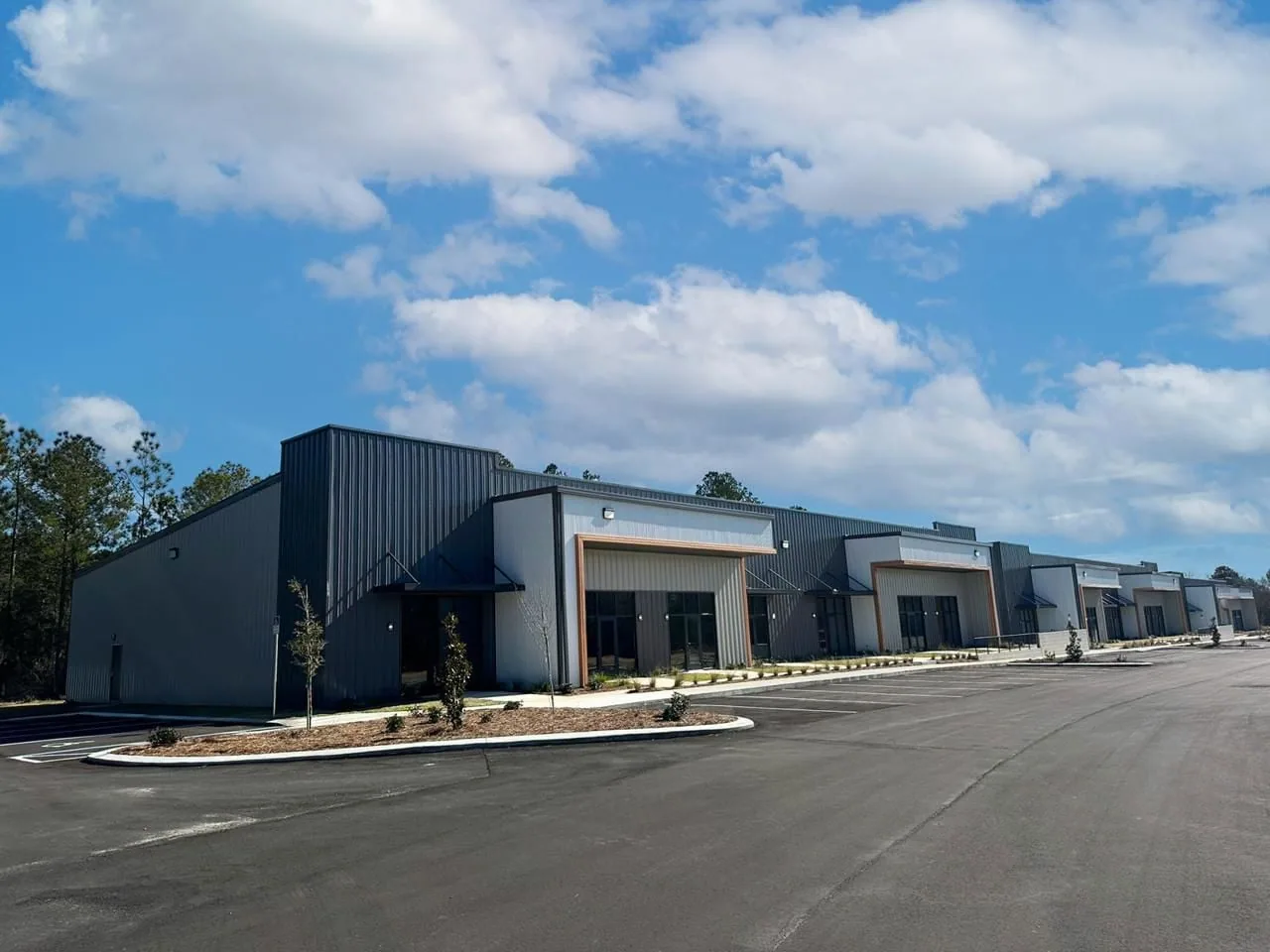
A split metal transition beside a rooftop unit can send water beneath a sound roof field. The Pondella Road and NE 19th Place industrial area includes a mineral-processing building alongside industrial and warehouse inventory. Coordinate equipment protection and roof access at each address, then map the assembly and condition by section. We inspect the transition, fasteners, drainage and substrate before defining where a repair should stop.
Cape Coral’s industrial development includes light manufacturing and warehouse or distribution uses. Confirm tenant operations with the facility contact and use them to plan access, equipment protection and staging. Near Pondella Road, we start with the facility contact, access plan and current leak or maintenance record. The inspection defines the work from field evidence.
Mark Each Section Before Testing a Leak
We start by matching the street address to the roof plan, then identify access points, levels, equipment, edges, drains, penetrations and previous repairs. A broad industrial roof can contain several materials or additions, so we label each section before recording findings. On membrane, we examine seams, patches, flashing terminations and places where water may have entered. On metal, we look at panel laps, fastener hold, closures, corrosion and the connection between the roof and wall or curb.
An interior stain gives a location to investigate, not a complete repair boundary. Moisture can move along the deck or insulation interface before showing below. We compare the report with roof details, photograph the suspected entry and note whether moisture testing or limited opening is needed. A commercial roof inspection records accessible conditions and distinguishes observed damage from an area that still needs evaluation. The resulting map should let a facility manager return to the same curb or drain on a later visit.
For verified mineral-processing or warehouse uses, note rooftop exhaust, support steel, access ladders and routes that must remain open. During the walk, confirm roof details and work restrictions with the facility contact. Review repair notes to distinguish an older patch from a current opening. A warehouse roof assessment can address loading and broad-area access needs when the building's verified use calls for that coordination.
Give Rain a Clear Route Off the Roof
A drain that holds debris and a drain with a failed membrane connection need different work. We check the strainer, bowl, flange, surrounding field, scupper and discharge path, then record whether the concern is cleaning, a local correction or a larger drainage issue. If water remains after nearby outlets clear, note its depth and extent and compare it with the roof slope and deck condition. A drain and scupper repair should state which part of the assembly is being corrected rather than simply naming a wet area.
The Fort Myers Page Field station records a normal annual rainfall of about 57 inches, much of it in the warm season. Summer heat and humidity make outlet protection, dry-in and substrate preparation important to the work sequence. Before removal begins, establish which drains will stay active and how an open section will be secured if a shower arrives. We limit exposed work to what the crew can dry in and protect within the approved shift.
Hurricane Ian made landfall in Lee County in 2022 and produced severe regional coastal surge. For post-storm work near Pondella Road, compare current fasteners, seams, edges and drains with the property’s dated repair record. The North Cape Industrial Park and Del Prado and Viscaya industrial area are separate Cape Coral locations; their records should not be blended with this property's roof file.
Keep Industrial Access in the Work Plan
Before staging, confirm receiving activity, employee paths, fire lanes, lift placement, roof access and the place where debris can be contained. Ask the facility contact to identify any equipment that cannot be interrupted and any outdoor area that must remain clear. A lift below an active roof edge may need a controlled zone or an alternate route. These arrangements belong in the daily sequence, alongside the roof sections that will open and close during each shift.
For repair, mark the tie-in to sound material and protect adjoining equipment from dust, debris and runoff. If removal reveals wet insulation, corrosion or a deck condition beyond the written limit, photograph the exposure and secure it before requesting direction. Do not extend the repair simply because concealed material is visible. An occupied-facility work sequence can lay out daily boundaries, handoffs and access controls when the building remains in operation.
Timing follows roof area, transitions, delivery, weather, equipment protection and access. We identify findings that could change quantity after removal, separate confirmed work from concealed-condition allowances, and record who authorizes an expanded scope. The daily plan states what proceeds, what awaits review and how the roof will be secured.
Compare a Local Repair With Renewal
An isolated open seam, failed curb flashing or loose metal closure may be repairable when the surrounding assembly remains attached and dry. Repeated leakage across several sections, widespread wet insulation or broad corrosion calls for a wider evaluation. The repair scope should name preparation, compatible material, tie-in limits and any testing. A replacement proposal should describe removal, insulation, edge attachment, drainage, equipment transitions, staging and daily protection in enough detail for a fair comparison.
Recovery or coating is not a way to avoid checking the layers below. Existing materials, moisture, deck capacity, slope, drainage and substrate preparation all affect whether that path is suitable. If a roof has several additions, assess each assembly and connection on its own. We record which conditions support the proposed work and which would require a change if discovered after authorization. The applicable Florida Building Code edition is statewide; the design and permit requirements depend on the roof assembly and work proposed for the building.
Cost and duration follow the repair boundary, detail count, access, testing, materials, disposal and operating coordination. A single penetration repair differs from renewal across several sections. The recommendation should separate current work from investigation that could change it. A condition report with photographs keeps those findings tied to locations that maintenance staff can recognize.
Leave the Next Inspection a Useful Record
Closeout should identify roof sections, completed details, repair materials, photographs, drainage observations and any area excluded from the work. If moisture testing, interior access or a return visit remains outstanding, include its location and the question it needs to answer. Match an interior report to a roof opening only when the inspection supports the connection. This prevents a patched area or inaccessible section from being mistaken for a fully resolved condition.
For a Pondella Road or NE 19th Place property, provide the address, roof plan, repair history, reported condition and facility contact. We will inspect the assembly, coordinate the operating window and return a repair or renewal recommendation tied to the observed field condition.
Commercial Roofing Questions
Does the mineral-processing building identify the roof system for nearby properties?
No. The local report identifies that use and nearby industrial and warehouse inventory, but it does not assign a roof material or condition to every address. We verify the assembly, transitions and drainage at the building before selecting a repair method.
What should be mapped during an industrial roof inspection?
Record each roof section, seam or panel, edge, curb, penetration, drain, previous repair and access limitation. We pair photographs with a location that can be found again and label any condition that needs testing instead of calling it confirmed damage.
How is work scheduled around active equipment and receiving?
The facility contact identifies operating hours, truck routes, equipment restrictions and areas that must stay clear. We set lift locations, daily opening limits and closure checks against that information, then update the plan if removal exposes a condition outside the authorized boundary.
When should the owner consider replacement instead of another patch?
Compare broader work when leaks recur in separate areas, moisture extends past a local repair or the deck and attachment need further evaluation. We show the confirmed repair limit, note any unresolved test and price alternatives against a defined roof area.
Share the facility's location, access window, roof history and active leak reports. We will map the assembly, verify the affected details and stage a practical repair plan. Call 555-555-5555 or request a roof assessment for Pondella Road and NE 19th Place in Cape Coral, FL.