
Evaluate a Cape Coral commercial roof recover by checking moisture, attachment, drainage and code limits before covering an existing assembly.
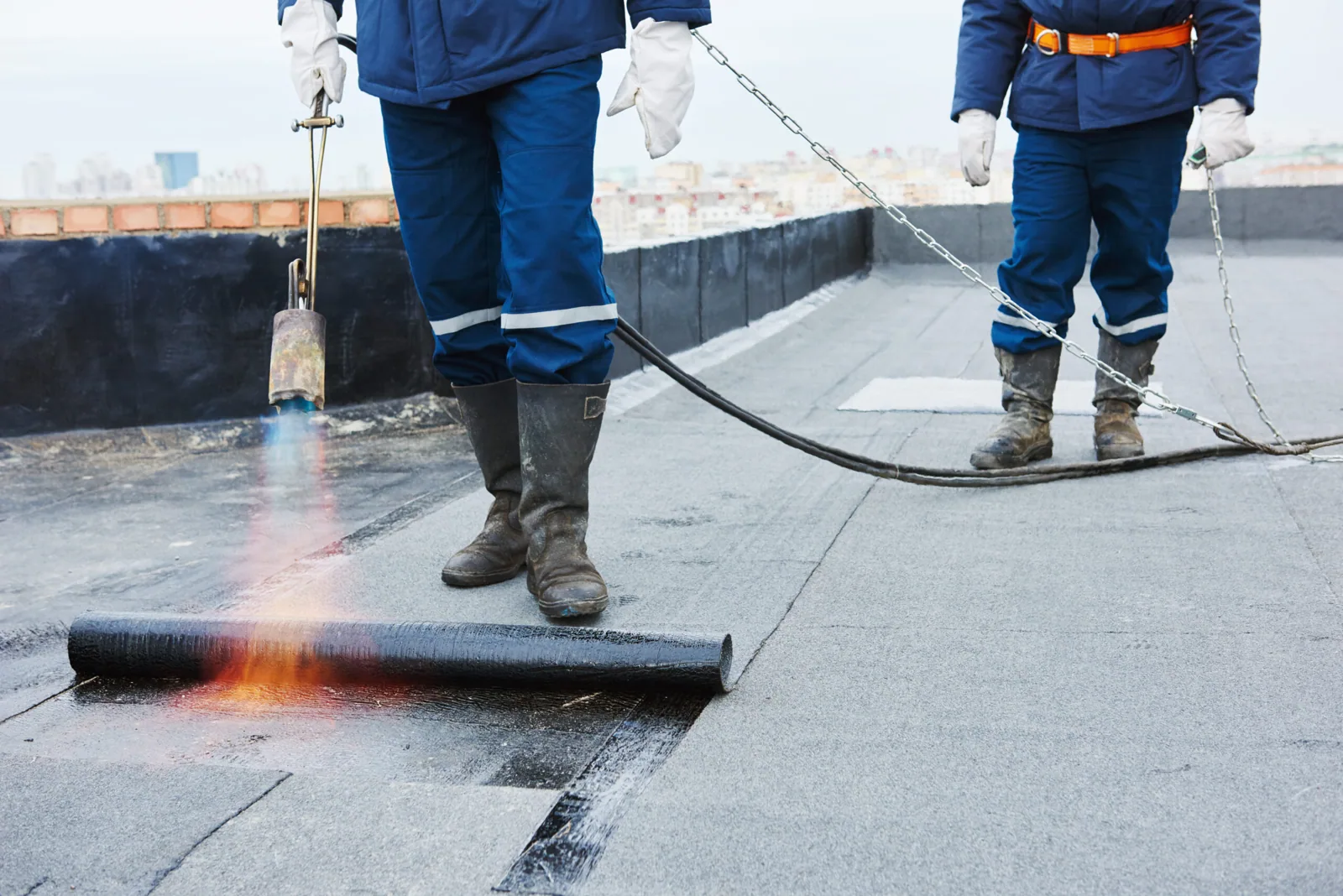
A recover leaves the existing roof in place, so the decision depends on what cannot be seen from the surface. The membrane may look intact while insulation below it is wet, fasteners are loose or an earlier layer has already used the assembly’s allowable build-up. Before adding material, we check the substrate, attachment, moisture and drainage, then define what needs repair or removal. Cape Coral’s humid summers make concealed moisture a practical concern, and the Florida Building Code governs the scope. A recover is appropriate only when confirmed conditions support it. Compare that option with full commercial roof replacement and targeted roof repair before committing to a system.
Conditions That Must Hold Beneath the New Roof
First establish the number and condition of existing roof layers, deck type, attachment, wet areas and prior repairs. Existing insulation must be dry and stable, the deck must support the assembly, and edges must allow proper flashing. Ponding areas and blocked drainage need correction, not concealment. If the survey cannot verify a critical condition, identify a test cut or other investigation before treating it as acceptable.
Moisture readings have limits. Infrared images show patterns that can guide sampling, while a core cut confirms conditions only at its opening. A few dry samples do not establish a dry roof. Map anomalies and sample locations, then show how findings affect the recover boundary. On properties near Pine Island Road or Del Prado North, a survey helps organize broad roof areas and varied building uses, while field inspection establishes the assembly.
Existing details matter as much as the field. Inspect perimeter metal, wall transitions, curbs, skylights, expansion joints, drains and scuppers. A new membrane needs adequate height and a prepared substrate at each connection. If the existing edge cannot receive a secure termination, or if deteriorated material extends beyond an isolated repair, a recover may create a larger failure point instead of resolving it.
Code and Assembly Review
Recover eligibility requires review of applicable code, structural capacity and manufacturer conditions for the specific building. Cape Coral's adopted Florida code edition took effect December 31, 2023. The permit review should confirm allowable roof layers, wind design, energy provisions and attachment details for the proposed assembly. Record those decisions with the roof-section boundary.
Then compare the proposed system with the actual substrate and existing conditions. Attachment may use approved mechanical fastening, bonding or another designed method, but the choice depends on deck type, wind pressures, perimeter zones and product details. Specify new insulation, cover board, surface preparation and transition details. Do not assume a coating or overlay can bridge an unstable seam, wet board or incompatible surface.
Documentation should show the survey basis, moisture map, test locations, roof-layer count, repair areas, fastening details and planned edge conditions. If the owner authorizes a recover, retain product data and installation records with the building’s maintenance file. This helps future staff understand what remains below the current membrane.
Preparing for a Recover Without Hiding Defects
Preparation begins with correcting deficiencies that would be trapped under the new layer. Remove or repair unsound membrane, replace wet insulation where the approved scope requires it, stabilize loose edges and resolve drainage restrictions. We mark these areas on a roof plan so the facility contact can compare field discoveries with the approved work. Clarify how concealed conditions are priced and authorized before installation advances.
Work sequencing should protect the building as well as the roof. Confirm staging and access, isolate material storage from drains, protect rooftop equipment, and define how open work is dried in at the end of a shift. Cape Coral’s warm-season rain can interrupt installation, so the crew needs a daily closure process and a route for water to escape. If the building remains occupied, coordinate access and any equipment shutdown with facility staff. At a mixed-use property in South Cape CRA, tenant access and shared areas may affect logistics; confirm the property’s actual operating needs rather than assume a standard phasing plan.
At closeout, record the repairs performed before cover-up, photographs of prepared surfaces, installed products, transitions and any approved deviations. The recover file should preserve what was observed and what remained in place, not claim that every concealed layer was exposed.
When Tear-Off Is the Better Boundary
Removal is the clearer course when wet insulation is widespread, the deck is unsound, roof layers exceed allowable limits, attachment cannot be confirmed or the perimeter cannot accept a secure transition. If only a small, well-defined section has failed and surrounding material remains sound, a repair may be more appropriate. The owner can compare a recover with tear-off and replacement or a bounded commercial leak repair using the same findings and assumptions.
Cost comparisons should include removal, disposal, insulation replacement, edge work, drainage, equipment coordination and likely contingencies. A lower initial price can be misleading if it leaves wet material or defers a necessary perimeter correction. Conversely, a full tear-off should not be recommended merely because it produces a larger project. The defensible choice is the scope that addresses confirmed conditions, identifies limits and lets the owner see what is excluded.
For moisture mapping, consider a roof moisture survey before choosing the assembly. A hands-on commercial roof inspection can document details and accessible defects. Those findings can also inform roof capital planning when the work needs to fit an annual budget or broader property program.
Recover Planning for Cape Coral Properties
Local conditions shape timing and exposure, not automatic system selection. Nearby Fort Myers has hot summers, persistent humidity and substantial annual rain, while Cape Coral’s canals and Gulf proximity create site-specific exposure differences. A waterfront building may require closer review of exposed metal and edge conditions, but distance to open water, shielding and actual corrosion determine what matters at a given roof.
At the North Cape Industrial Park, confirm loading routes and roof access before staging crews. In the Del Prado North Commerce Park, coordinate the work sequence with each building’s operations. A survey identifies the actual assembly, verifies uncertain conditions and sets the recover boundary.
For a recover review, provide prior roof records, known leak locations, warranty information, equipment changes and access requirements. We can document what remains viable, what requires opening or replacement, and what code or manufacturer questions need resolution before work is scheduled.
Commercial Roofing Questions
When can a new roof layer be installed over an existing one?
A recover is considered when the existing roof layers, deck, attachment, moisture condition and edge details can support the proposed assembly and applicable code requirements allow it. The survey should identify what is confirmed and what needs testing. Visible surface condition alone is not enough to establish that insulation is dry or the deck is suitable.
Does infrared imaging prove that a roof is dry or wet?
Thermal patterns help direct investigation but are not conclusive by themselves. Core cuts or other approved tests verify conditions at specific locations, and the report should map those samples and their limits. Cape Coral’s humid climate can complicate interpretation, so readings should be assessed alongside roof construction, weather and visible details.
What would rule out a recover on our building?
Widespread wet insulation, unstable substrate, excess existing layers, unverified attachment or unusable perimeter details can make covering the assembly a poor choice. Those findings may lead to selective removal or full replacement. The scope should explain the observed condition and boundary rather than state a general preference for one method.
How should a recover be compared with replacement?
Compare scopes that address the same drainage, flashing, insulation and equipment needs. Include removal and disposal, test results, edge work, hidden-condition allowances and closeout records. A recover can retain a suitable existing assembly, while replacement exposes more of the deck. Neither method should be priced as though concealed conditions are already known when they are not.
Provide roof plans, prior repair records and known leak locations. We will document existing layers, moisture questions, drainage and transitions so the recover decision has a clear technical boundary. Call 555-555-5555 or request a roof assessment for Commercial Roof Recover in Cape Coral, FL.