
Evaluate Cape Coral built-up roofs by checking ply adhesion, surfacing, drainage and flashing before planning repairs, recover or tear-off.
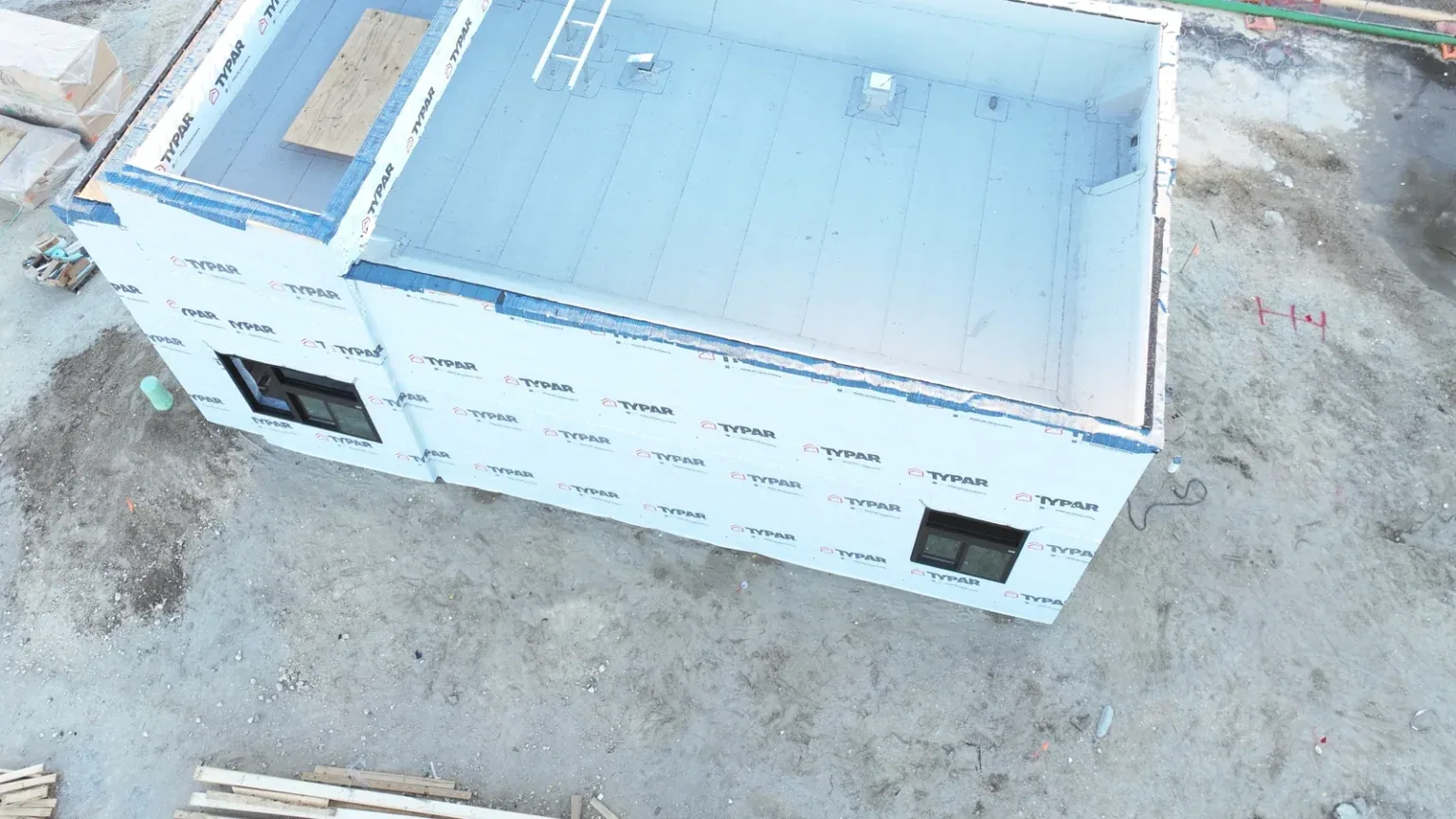
A gravel pocket beside a drain can hide a split or a soft area in a built-up roof. We clear only the approved inspection area, look at the surfacing and plies, then trace the condition to material that can support a repair. A built-up roof uses multiple reinforcing plies with bitumen and a protective surface, so the visible top layer does not tell the whole story. In Cape Coral, FL, warm-season rain makes outlet capacity and temporary closure important during any opening. The scope should identify which layers are sound, which need testing and where removal should stop.
Central commercial areas such as City Centrum include public-facility, commercial and mixed-use designations. At a civic or mixed-use property, coordinate public access and service routes, then inspect the plies and transitions before setting the repair boundary. If records show a modified-bitumen cap sheet or another single-ply layer above older plies, we identify the transitions before comparing repair with modified-bitumen work.
Surfacing and Ply Condition
Built-up roofs may have aggregate, a smooth surface or a coating, with several plies bonded by asphalt or another bitumen adhesive. We inspect the surfacing for bare areas, displaced gravel, exposed bitumen, blisters, splits and open flashings. Where aggregate covers a suspected defect, remove only enough material to examine the surface under an approved plan and restore the area after inspection. The condition below the surface may differ from what a broad visual pass suggests, so each test opening should answer a specific question.
Blisters may reflect trapped air or moisture between layers. We examine size, movement, surrounding adhesion and whether water has entered the assembly before recommending a repair. A soft spot can indicate wet insulation or deck movement, and it should be checked before adding material. We photograph the opening and the surrounding field, then map the finding by roof zone. A hands-on roof inspection can document other seams, drains, curbs and access limits so the owner sees whether the concern is isolated or recurring.
At the Cultural Park civic campus, City Hall and public-service offices give a practical example of facilities where access and continuity matter. Confirm the installed assembly and operating contact at the property before proposing repairs. We coordinate access with the property contact, identify equipment and public routes, and inspect the actual plies and transitions before proposing work.
Repairs Through the Layers
A surface crack may call for a compatible patch, while a blister or split that reaches several plies can require opening and rebuilding the affected area. The repair boundary extends to bonded material, not merely to the visible edge of a defect. We remove loose layers within the approved limit, check the substrate, replace unsound material and restore the plies in the specified sequence. At aggregate roofs, the finish is restored without leaving loose stone around a drain or equipment base.
Flashing work needs the same attention as the field. Inspect roof-to-wall transitions, curbs, pipes, skylights and edge metal for open seams and movement. A new patch cannot correct loose termination metal or a failed counterflashing. We identify the connection that failed and list related work separately. A coping and edge repair can include metal attachment and transition details, while a leak investigation can connect an interior report to roof-level evidence.
When the defect is near a drain, check the clamping ring, bowl, strainer and surrounding plies. A stopped outlet and a depressed roof surface need different corrections. We record whether cleaning restores flow or whether the low area appears to involve slope or insulation. The repair should leave the drainage path open and show which conditions remain outside the approved scope.
Rainfall, Ponding, and Roof Load
Fort Myers Page Field normals show roughly 57 inches of annual precipitation for the Cape Coral area. That rainfall makes drain performance a regular part of built-up roof maintenance, particularly where aggregate or debris can collect near an outlet. We check drains and scuppers, look for staining or erosion along a flow path, and note ponding that remains after runoff has had time to clear. A blocked drain calls for maintenance; persistent water may require a slope or insulation evaluation.
Built-up assemblies can be heavy, especially when multiple layers or accumulated aggregate remain. Before a recover, identify the existing layer count and evaluate the deck and structure through the project's design process. New insulation, cover board and membrane add more load. We do not assume capacity from an old repair or neighboring building. If removal is planned, the scope explains how the deck will be inspected and how concealed deterioration will be measured and authorized.
Warm, humid conditions also affect preparation and asphalt work. Surfaces must be dry enough for the selected method, and open areas need a secure closure before rain. During a roof replacement, sequence manageable sections, protect drains and keep materials from blocking access. A drainage assessment can define outlet or slope corrections before new layers cover the assembly.
Recover or Remove the Assembly
A recover can retain sound existing plies only when moisture, attachment, deck capacity and code eligibility support the added assembly. Wet insulation, widespread blisters or delaminated layers may require removal to a stable substrate. We review the layer count, identify test locations and document where current evidence supports retention. The Florida Building Code, 8th Edition (2023), applies in Cape Coral; the project team confirms the specific provisions and permit path for the proposed work.
Removal sequencing affects water protection, debris handling and access. We coordinate staging, disposal routes, equipment clearances and daily dry-in with the facility contact. Before adding new insulation, restore low points and drains as shown in the approved design. The specification should list ply sequence, bitumen or adhesive, surfacing, flashings and terminations. Closeout photographs should show the deck where exposed, the new assembly by zone and each major transition.
Where a coating or restoration is being considered, compare its preparation needs with the actual surface and plies. A coating evaluation can determine whether the substrate is suitable; it does not replace rebuilding a failed multi-ply area. For broader alternatives, a recover review and a silicone coating system can be weighed against removal where their requirements fit.
A Record for the Next Roof Decision
Retain a roof plan with test openings, repairs, drains, equipment and areas left for follow-up. Photograph each patch before aggregate or coating is restored, and list the materials and ply sequence used. If moisture testing was performed, show sample locations and findings. The facility manager can then compare later observations with the same roof zone and understand where the prior repair ended.
Repeated leaks, widespread interply release or a deck concern can change the decision from patching to replacement. The report should distinguish confirmed conditions from questions that require a test or removal. That gives the owner a practical sequence: protect active areas, correct drainage, authorize defined repairs and plan larger work where the assembly supports it.
Send the Cape Coral address, roof records, prior repairs and current leak locations. We will inspect the surfacing, plies and transitions, then prepare a repair or replacement scope linked to the facility.
Commercial Roofing Questions
How do you inspect a built-up roof beneath gravel?
We clear a limited area with authorization, inspect the surfacing and exposed plies, and restore the test point afterward. The location and question are marked on the roof plan. If a concern extends beyond that opening, additional inspection should follow evidence from the surrounding assembly.
Can a built-up roof be recovered with another layer?
Retention depends on layer count, moisture, ply adhesion, deck capacity, drainage and code requirements. We review accessible conditions and recommend testing where it can change the decision. The scope states which material remains and how tear-off findings will be reviewed before extra work proceeds.
What causes blisters in a built-up roof?
Air or moisture can become trapped between plies, but the visible blister does not identify which condition is present. We check its size, movement, adhesion and surrounding materials before opening it. The repair then follows the affected layers and stops at a stable boundary.
How does Cape Coral rain affect built-up roofing?
Frequent warm-season rain makes clear outlets, sound flashings and daily closure important. We inspect the drainage path, protect any opened section and identify low areas that may need more than drain cleaning. The roof's actual slope and layer condition determine the correction.
Provide the Cape Coral address, access rules and available roof records. We will inspect surfacing, plies and drainage, then document repair, testing or removal options. Call 555-555-5555 or request a roof assessment for Built-Up Roofing in Cape Coral, FL.