
Repair commercial skylight and penetration flashing in Cape Coral by checking curbs, seals, movement and nearby membrane before closing the detail.
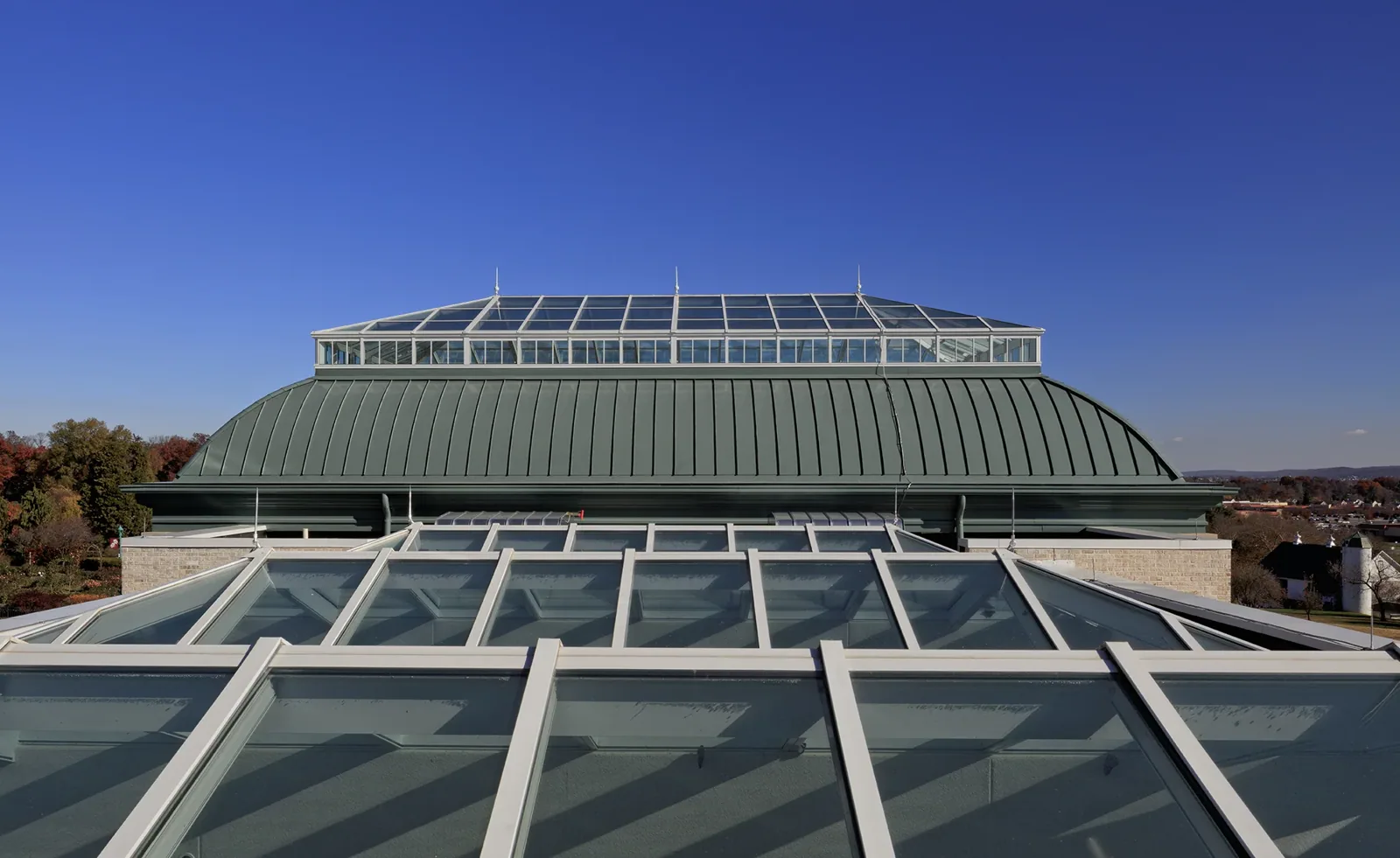
A split sealant bead at a skylight curb can mark a failed joint, but the flashing and curb determine whether the roof still sheds water. Skylights, pipes, conduits and equipment supports interrupt the membrane and create edges that must stay sealed as the building moves. We inspect the penetration, curb, surrounding material and interior report, then define what needs repair or testing. Cape Coral’s humid air and heavy warm-season rain make these transitions important to revisit, especially after rooftop work or water entry. A repair should rebuild the connection, not cover movement with a surface bead.
Inspect the Curb and the Membrane Around It
Begin with the curb corners, flashing height, metal counterflashing, fasteners, sealant and membrane tie-in. Look for splits, loose terminations, exposed reinforcement, water marks, corrosion or patches that have separated at an edge. At pipes and conduits, check whether the boot or field flashing remains compatible and whether nearby supports have shifted. A defect at one corner can allow water beneath the field material, so trace the adjoining lap before setting a patch boundary.
Skylights need a separate safety check. Identify the unit, curb, glazing, frame, perimeter seal and any protective guard or cover. Do not step or stage material on a skylight. If access around it is unsafe, stop and arrange a safe method for inspection. Water may enter through glazing or the roof-to-curb detail; distinguish those possibilities in the record rather than assume the roof flashing is at fault.
For occupied facilities on Del Prado Boulevard, coordinate interior access with the room or department reporting water. At a commercial building near Bimini Square, tenant and public access can affect where inspection equipment is staged. The property’s actual roof geometry and operating needs determine the work sequence.
Trace Water Before Rebuilding the Detail
Interior staining can lead the inspection toward a skylight or pipe penetration, but water may follow the deck or framing before it appears below. Record when the leak occurs, which rooms are affected and whether the area changes after wind-driven rain. Compare the report with roof slopes, nearby drains and the penetration’s windward side. Trace interior staining to the skylight curb and surrounding roof plane, then test or open a controlled area when the leak path remains unclear.
If insulation may be wet, document the limit of visual review and recommend testing when it could change the repair scope. Infrared imaging can help select sample points, while a core cut confirms material only at its opening. Keep testing locations on the roof plan and close each opening with a compatible detail. A commercial roof inspection can record accessible curbs, and roof due-diligence surveys can organize findings when a building transaction or broader condition review is involved.
Check whether a nearby HVAC service, cable installation or equipment replacement preceded the leak. Trades can disturb membrane or flashings while working around a curb. The record should identify visible damage and timing information provided by the facility, while leaving the cause open if evidence is incomplete.
Rebuild Flashing to Suit the Roof System
Repair method depends on the membrane type, curb material, substrate and movement at the connection. Remove failed material within the defined area, prepare the surface and rebuild the flashing with compatible components and attachment. At a skylight, check the curb perimeter and metal overlap. At a pipe, use a boot or flashing detail that fits the penetration and roof system. Sealant can finish an appropriate joint, but it should not replace missing mechanical attachment or a full membrane tie-in.
Where curb metal is corroded, blocking has deteriorated or the frame has shifted, resolve that condition before closing the membrane. If removal exposes wet insulation or a damaged deck, photograph it and confirm the added work before continuing. Keep the repair boundary visible in the scope, including any access restrictions or concealed areas that were not opened.
For repeated or widespread failures, compare local repairs with a broader roof repair scope or replacement assessment. If an active leak needs immediate control, leak repair can trace entry and protect the affected area. Perimeter metal that intersects the curb should be reviewed through edge and coping service.
Coordinate Work Around Weather and Occupancy
Flashing materials need a surface prepared for the chosen bond, weld or fastening detail. Cape Coral’s warm, humid conditions and frequent summer rain can limit the time available for that preparation and for a secure closure. Confirm weather and substrate conditions before application, protect unfinished work and record any interruption. Do not close a wet or contaminated surface beneath a permanent repair.
Inside, protect furniture, equipment and ceiling finishes before removing a skylight or opening the curb. Confirm whether the room can be taken out of use and who will restore interior finishes. If work affects daylight or ventilation, coordinate the timing with building staff. A hospital or school has different operational requirements from an office, so the schedule should follow the actual space served.
Cape Coral Hospital provides emergency and outpatient care on Del Prado Boulevard. For healthcare roof work, coordinate access with the facility contact and inspect the curb, flashing and surrounding membrane. When a skylight is part of a roof-wide renewal, include its curb and transitions in the insulation and cover-board scope as applicable.
Leave the Penetration Ready for the Next Visit
Keep photographs of the opening, prepared surface, installed flashing and completed tie-in. Mark the penetration on a roof plan and label whether it is a skylight, vent, conduit or equipment support. Record materials, repairs, any water or insulation condition found and maintenance required for an exposed sealant joint. If the penetration was not opened, say what was inspected from the surface and what remains concealed.
When a new pipe or support is installed, update the equipment plan and roof file so future service staff can locate it. Keep trade work and roofing restoration tied to the same location. A roof asset record helps connect penetration details with equipment, repair history and future inspections. For skylight work at Cape Coral Hospital, coordinate with the affected department on a safe access window and room protection.
Share prior leak reports, skylight specifications, roof plans and recent mechanical work before requesting a visit. We can inspect the transition, state what is visible, identify when testing is useful and define a repair that fits the existing assembly.
Commercial Roofing Questions
Can a skylight leak through the glass or the roof flashing?
Both the frame or glazing and the roof-to-curb connection can admit water. Inspect each interface and compare the leak timing with wind and rain direction. A roof stain does not identify which joint failed, so document the curb, frame and interior observations separately before selecting a repair.
What should we do if the leak appears around a pipe or conduit?
Record the interior location, roof section and any recent trade work, then arrange safe inspection of the boot, flashing, support and adjoining membrane. Do not seal over a loose or incompatible detail. If water is active, protect the area inside while the roof entry point is traced.
Can a roofer walk on or work from a skylight?
Treat the unit as a fall hazard unless its load capacity and protection are specifically established. Do not step on the glazing or use it as a staging surface. Plan a safe inspection route around the curb, and stop if access controls or protective measures are not in place.
When does penetration flashing need full replacement?
A split or separated patch may be local when the curb, substrate and surrounding membrane remain sound. Corroded metal, deteriorated blocking, shifted equipment or wet insulation can require broader removal. Inspect the surrounding assembly, test concealed material where useful and document the work boundary before closing the roof.
Share roof plans, skylight or equipment details, reported leak timing and recent trade work. We will inspect the transition, identify the repair boundary and document testing or access needs. Call 555-555-5555 or request a roof assessment for Commercial Skylight and Penetration Flashing in Cape Coral, FL.