Schedule Cape Coral roof maintenance around drainage, seams, equipment and coastal exposure, with findings recorded for timely repair and budget planning.
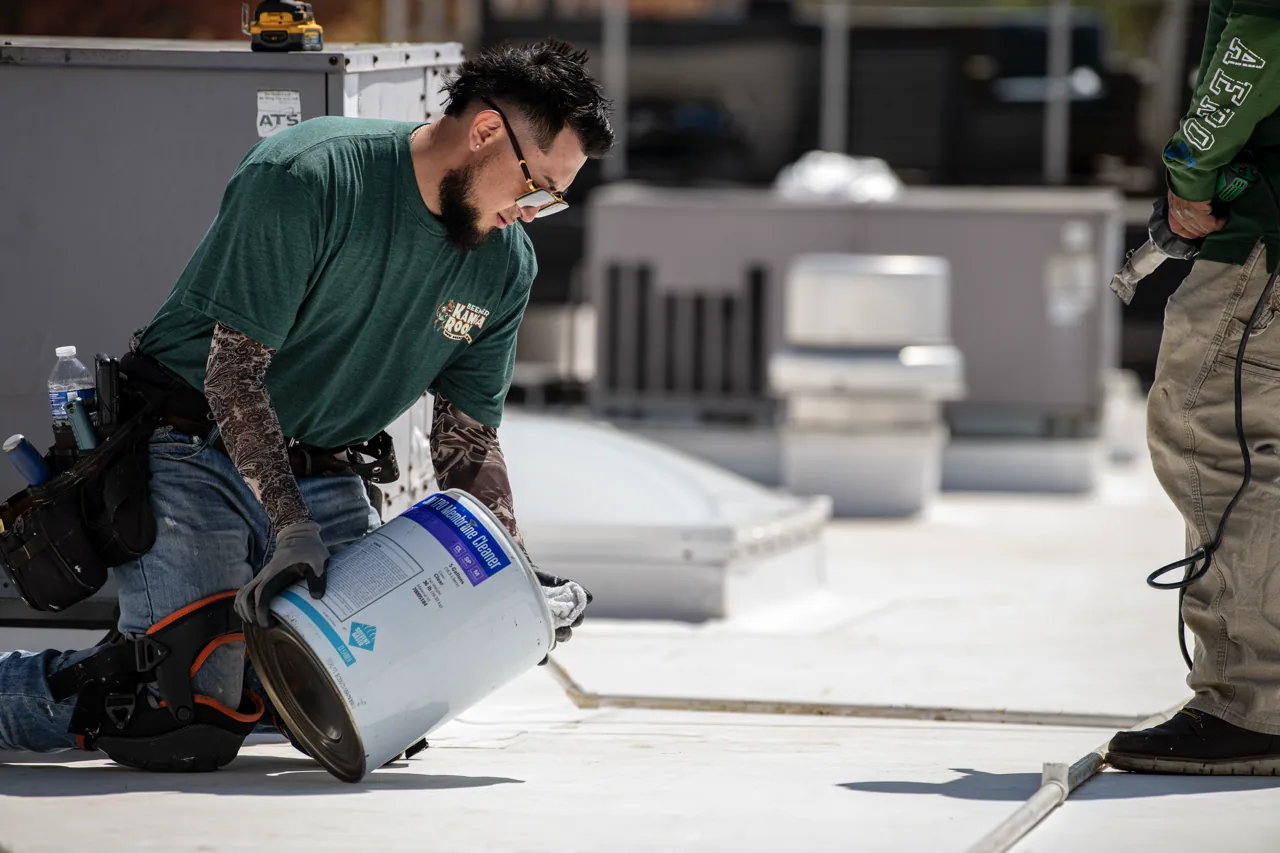
Leaves collecting at a drain bowl can turn a small maintenance item into water held against seams and flashing. Preventive maintenance makes those conditions visible before they become an interior leak or a larger repair. We inspect the roof field, transitions and drainage, remove debris where authorized, and record defects with locations and photographs. Cape Coral’s humid heat and warm-season rain make a useful program more than a calendar reminder: visit timing should reflect the roof assembly, recent weather and observed wear. We set the next service interval from the building’s condition, then link each finding to a repair or monitoring action.
Set Visits Around Roof Conditions
A maintenance schedule should account for roof age and system, repair history, drainage layout, equipment work and access. A roof with active seepage or recently repaired flashing may need an earlier follow-up than a stable area with no change. After a significant weather event, inspect when conditions are safe and compare visible details with the previous record. The same visit pattern should not be assigned automatically to every building in a portfolio.
On each visit, walk accessible roof sections and inspect seams, patches, edge terminations, wall flashings, curbs, skylights and penetrations. Look for displaced metal, open laps, worn sealant, exposed reinforcement and signs of ponding. Note where rooftop work by other trades may have disturbed the membrane. A maintenance report should distinguish new findings from conditions documented earlier so the facility manager can see whether an item has changed.
Buildings in City Centrum and the industrial area near Pondella Road serve different uses, but the roof review follows the assembly and operating demands at each site. Coordinate with the person responsible for roof access before the visit, and note any section that could not be safely entered. A scheduled service is only useful when the record makes its coverage clear.
Keep Water Moving Toward the Outlets
Drain bowls, strainers, scuppers, gutters and downspouts need to remain clear enough for the designed flow path. Remove leaves and loose debris when the scope permits, check visible connections and note whether water is collecting in a low area after rainfall. A blocked outlet and a slope problem can look similar from a distance, so document what was observed instead of assuming one cause. If water remains after a drainage path is clear, recommend a closer review.
Rooftop equipment and service lines can trap debris or interrupt drainage. Keep maintenance work clear of membrane seams and avoid pushing material toward a drain or over a roof edge. Photograph the outlet and surrounding surface before and after cleaning when that record matters to the facility. If an outlet is damaged, disconnected or too restricted to clean safely, mark it for separate work through commercial drain and scupper repair.
Warm-season rain near Cape Coral can test a drainage path quickly. After clearing, confirm the immediate area is free of loose material and note any ponding that remains. A maintenance visit cannot correct a structural low point by cleaning alone. Where slope or water flow is in question, compare the roof plan, drainage outlets and field observations before selecting corrective work.
Turn Findings Into Bounded Work
Small defects are easier to manage when each one has a location, description and decision. Mark a split seam, loose edge or damaged penetration on the roof plan, take a photograph and state whether it needs immediate repair, planned service or testing. Use materials and preparation compatible with the installed assembly. A patch over a wet substrate or moving termination may hide a larger condition without creating a stable connection.
If the report identifies a defect, set a repair boundary before work begins. Confirm whether insulation is affected, whether a curb or pipe needs flashing reconstruction and whether adjacent metal remains secure. For active water entry, urgent roof calls are covered nights, weekends and holidays, as long as roof access is safe; once the building is protected, we can define permanent work through commercial roof repair or leak investigation.
A repeat visit should check previously repaired locations and outstanding items. Photograph the same detail from a useful angle, note whether the repair remains closed and record new movement or staining. If moisture below the membrane is uncertain, use infrared survey findings only as a guide to approved testing, not as a replacement for confirming the material.
Build a Roof Record the Facility Can Reuse
Keep a roof plan with section labels, system information when known, access points, drains, equipment and repair locations. Attach dated photographs, service notes, materials used, open recommendations and the name of the facility contact. Record whether a finding is visible, tested or still uncertain. This lets a new manager understand what was checked without relying on a verbal handoff or a stack of unlabeled images.
For properties on the Pine Island Road corridor, equipment changes and tenant turnover can alter access or drainage needs between service visits. In the South Cape CRA, coordination may depend on occupied storefronts, restaurants and shared building areas. These local conditions affect scheduling and protection; each roof still needs its own inspection record. Store prior leak reports and repair invoices with the roof history so recurring issues can be compared by location.
A roof asset record can organize multiple systems and open items, while capital planning can separate routine maintenance from larger replacement needs. If observations warrant broader documentation, a condition inspection can establish a more complete baseline.
Fit the Program to the Property
A maintenance agreement should identify included roof areas, visit tasks, access expectations, reporting format and the process for authorizing repairs. It should also state exclusions, such as concealed wet insulation, structural issues or work by other trades. The facility manager needs to know when a finding will be repaired under the program and when separate approval or testing is required. Clear boundaries keep routine service from becoming an undefined repair scope.
At a school, medical office, retail center or warehouse, coordinate visits around occupied hours, deliveries, equipment shutdowns and safe access. Cape Coral’s warm and humid conditions can affect the timing of cleaning, sealant or membrane work, so match the visit plan to material and weather conditions. Record deferrals when roof access is unavailable or a surface is not ready for a repair material.
Useful maintenance compares present findings with earlier records and changes the plan when evidence changes. Ask for a review with roof drawings, past repair notes and known leak areas. We can inspect the accessible system, agree on a schedule suited to its condition and leave the facility team with clear priorities for the next visit.
Commercial Roofing Questions
What should a commercial roof maintenance visit include?
The visit should cover accessible roof sections, seams, flashing, edge details, penetrations, drains and visible equipment conflicts. Record photographs, locations, new defects, prior repair checks and access limits. Debris removal should be authorized and performed without pushing material into outlets or damaging the membrane. The report should distinguish routine cleaning from repair work requiring separate scope.
How often should our building receive roof maintenance?
Set timing from the roof system, age, repair history, drainage, rooftop activity and observed condition. A roof with a recent leak or repaired edge may need an earlier check than a stable section. Review the interval after major weather or equipment work, and adjust it when repeat visits show a change. One calendar does not suit every Cape Coral property.
Does clearing a drain solve ponding water?
It can restore flow when debris blocks an outlet, but standing water may also relate to slope, deflection or an undersized or damaged detail. Record what the crew cleared and what water remained. If the area stays wet after the outlet is open, inspect the drainage path and roof geometry before recommending corrective work.
What happens when maintenance finds an active leak?
Protect the affected interior, notify the facility contact and document the roof conditions that can be reached safely. Temporary control and permanent repair are separate steps when weather or concealed moisture prevents a complete scope at the first visit.
Share your roof plan, recent repair history and current leak or access concerns. We will document accessible conditions, set maintenance priorities and identify which items need separate repair or testing. Call 555-555-5555 or request a roof assessment for Commercial Roof Maintenance in Cape Coral, FL.