
Organize Cape Coral roof claim documentation with dated photos, mapped findings, repair scopes and clear separation of observed damage and policy decisions.
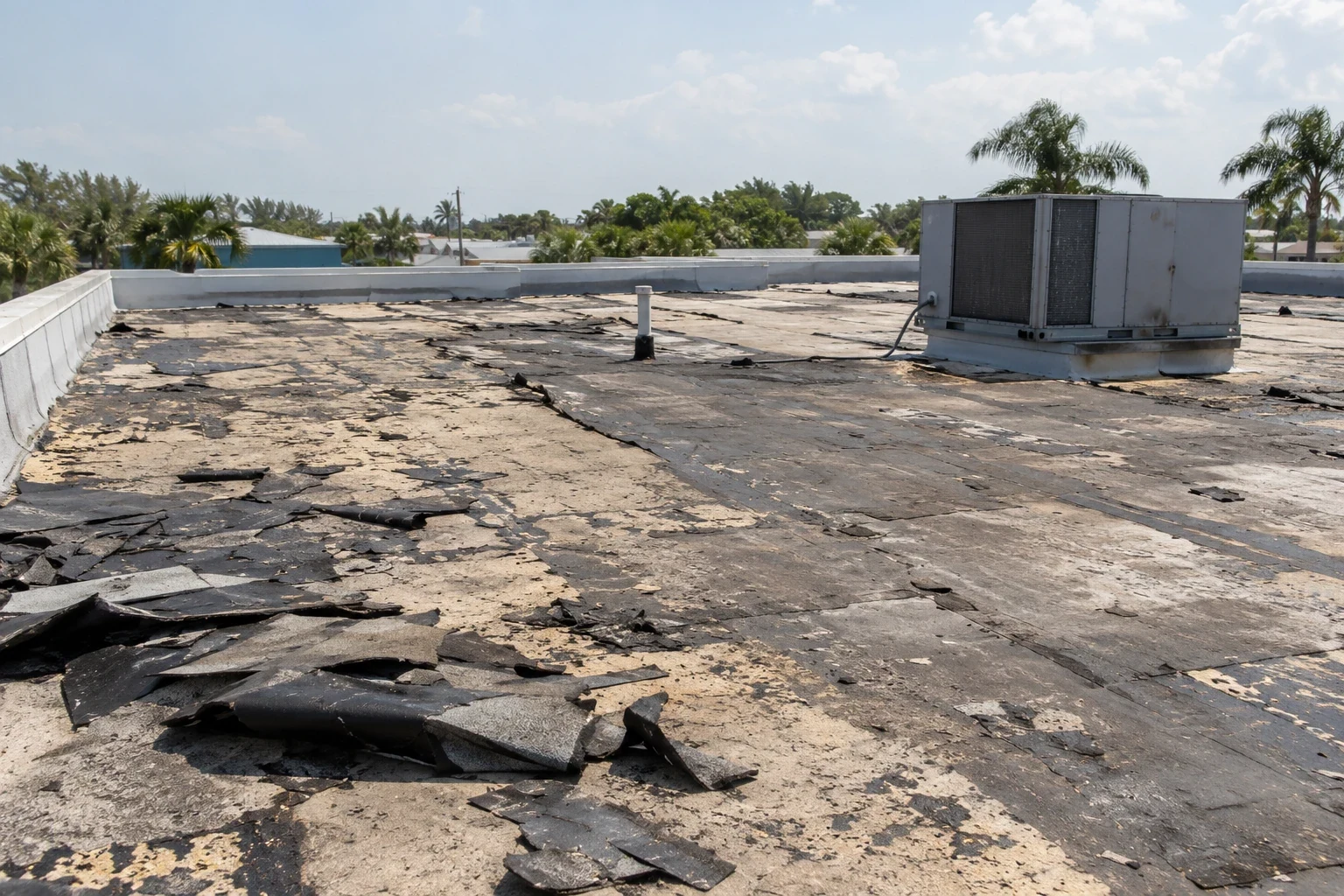
A roof claim file is only useful when each photograph connects to a location and a field finding. After a storm or sudden leak, we document accessible roof conditions, mark damage on a roof plan and describe temporary protection and repairs. The record distinguishes what we observed from what still needs testing, so the facility manager can share a clear scope with the insurer and other project participants. For a specific building, the inspection and dated records carry the decision. A claim-ready roof file should link dated observations to photographs, marked locations, temporary work and the agreed permanent repair scope.
Build a File Around the Actual Roof
Begin with the facility address, reported event date, affected rooms, roof sections and available plans. Photograph the roof from safe access points before temporary work changes the view. Use wide images to establish location and close images to show the detail. Mark each image on a roof plan and record whether it shows a seam, edge, penetration, equipment condition or interior water entry. A camera roll without labels can make later review difficult.
Separate roof observations from interior restoration notes. A ceiling stain documents water inside, but it does not by itself identify the roof opening. Note the route that can be seen, inspect the area above when safe and identify any inaccessible sections. If a core cut or moisture test is authorized, record its location and finding. Infrared patterns can help direct testing but should not be described as confirmed wet material without verification.
For a property in South Cape, occupied storefronts or shared building areas may affect when the inspection can take place. Along Pine Island Road, warehouses and retail sites may have loading schedules or equipment access to coordinate. Include those operating details in the file so the repair sequence can be discussed with the facility contact.
Describe the Work and Its Limits
A repair estimate should connect each line of work to a mapped roof condition. Describe materials, preparation, tie-in details, insulation or deck work if included, and any area that remains outside the scope. Separate temporary dry-in from permanent repair, and record the date each was performed. If removal exposes a hidden condition, document it before closing the assembly and obtain authorization for added work.
For a limited wind-related edge issue, a wind damage repair scope can identify the affected metal or membrane connection. A commercial roof repair record should state the materials used and photographs taken. Where water entry is active, we take urgent roof calls on nights, weekends and holidays, subject to safe access. Stabilization protects the building while the permanent scope is developed; the report should say which work remains temporary.
A claim file may include past repair records, roof system documents, maintenance logs, inspection reports, weather timing provided by the owner and communications about access. Organize them by date and roof location. Keep original photographs and label any later annotations so reviewers can distinguish the image from the notes added to it.
Keep Repair Findings Separate From Coverage Decisions
Our work can document roof conditions, prepare a repair scope and explain what materials and labor are associated with the roofing work. The insurer evaluates the policy and makes coverage decisions. A roofing inspection cannot promise approval or determine the outcome of a claim. When the scope includes conditions unrelated to the reported event, identify them separately so the file does not blend maintenance needs with observed damage.
For a larger or disputed area, a condition inspection can establish accessible roof findings, while an infrared moisture survey may help select test points. The methods answer different questions: visual review documents surface details, thermal patterns direct investigation and core cuts confirm sampled layers. State which method was used and what remains untested.
Timing can matter because exposed insulation, loose metal or active water entry can worsen if left open. Cape Coral’s warm-season rain makes temporary protection and a prompt follow-up plan practical. We record what was secured, how it was attached and who is responsible for checking it until permanent work is complete. If safe access is delayed by weather, document that limit and schedule the next inspection when conditions allow.
Coordinate the Inspection and Repair Sequence
Choose a facility contact who can grant roof access, identify the affected rooms and approve work changes. Confirm whether the insurer, adjuster or other project representatives will attend the inspection and what records they need. We can provide a roof-focused description and photographs; questions about policy terms should go to the insurer or the policyholder’s representative.
Where the roof remains open, separate immediate protection from permanent restoration. A roof emergency response can secure accessible damage, followed by a storm damage inspection and repair scope. If the roof system has widespread deterioration beyond the reported event, compare a replacement assessment with the discrete damage items instead of combining unrelated work into a single description.
Use consistent roof section names across estimates, photographs, inspection reports and follow-up invoices. This makes it easier to reconcile what was inspected, what was authorized and what was installed. For a multi-building owner, multi-site roof records can keep each address and repair history distinct.
Leave a Record That Supports the Next Inspection
Close the file with dated before-and-after photographs, marked roof plan, work description, products installed, repair locations and any exclusions. Note whether the roof was inspected under dry conditions, whether temporary protection remains, and which questions are still unanswered. Keep copies with maintenance and roof records so future staff can tell storm documentation from later repairs.
Cape Coral’s humid, rainy coastal conditions and Hurricane Ian’s severe regional surge make post-event roof records useful for comparison. Tie each claim entry to the inspected address, dated photographs, marked roof location and observed condition, then note what testing or follow-up remains.
For a building in City Centrum or near Cape Coral Hospital, coordinate records and work timing with the actual facility contact. A roof condition report can preserve the repair map for later comparison, and scheduled maintenance can check repaired details after the claim work is complete.
Commercial Roofing Questions
What roof information can you provide for an insurance claim?
We can document accessible roof conditions, photographs, marked locations, temporary protection and the roofing work included in a repair scope. The record should state inspection limits and separate visible findings from test results. The insurer evaluates coverage under the policy, so a roof report does not promise a claim outcome.
Can you confirm that Hurricane Ian caused damage at our property?
An inspection describes current conditions and compares them with dated records. Ian caused severe regional impacts in Lee County and along portions of the Gulf coast. For the property, document the roof condition, compare earlier photographs and state what the inspection confirms about timing and cause.
Which photographs are most useful in a roof claim file?
Take a wide image that shows the roof section and a close view of each reported defect. Mark both on a roof plan, include the date and note any temporary protection or inaccessible area. Preserve originals before adding annotations. Interior photos can document water entry, but they do not by themselves identify the roof opening.
Should emergency repair wait until an adjuster inspects the roof?
Protecting the building from ongoing water entry may require immediate temporary work when roof access is safe. Record conditions before changes where possible, photograph the protection and keep receipts or work descriptions. Coordinate inspection timing with the insurer and facility contact, but do not leave an unsafe or exposed area unprotected solely to preserve a photograph.
Share the building location, event or leak date, roof plans and available maintenance records. We will document accessible conditions, map the repair work and identify what remains untested or outside the roofing scope. Call 555-555-5555 or request a roof assessment for Roof Insurance Claim Assistance in Cape Coral, FL.