
Coordinate Cape Coral portfolio inspections, repairs and reporting across multiple roofs while preserving each building's condition, access and work history.
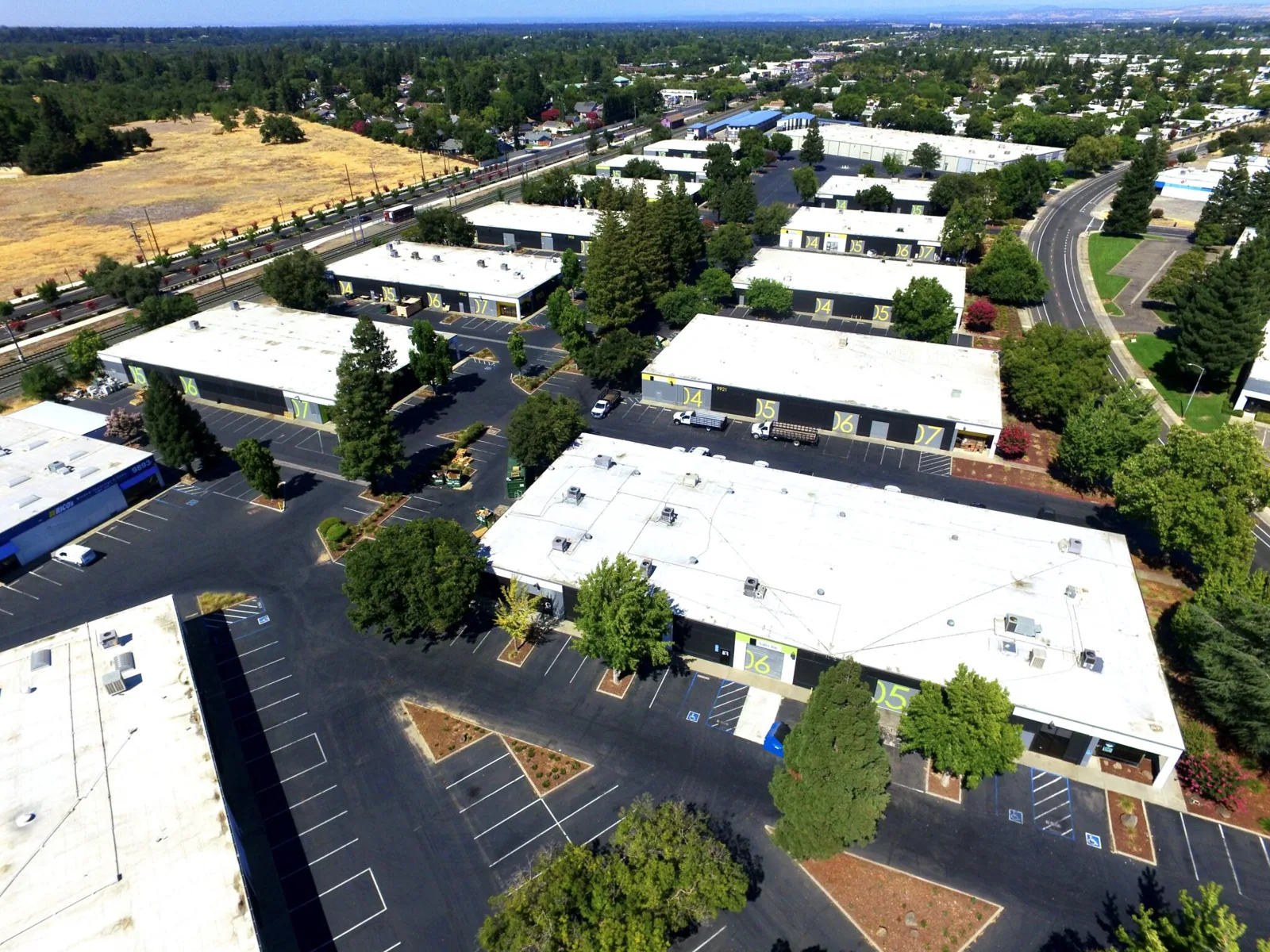
A split curb flashing on one building and a blocked outlet on another should not arrive at a budget meeting as two unlabeled photos. A multi-site program gives each roof a shared inspection rhythm, location convention and action status, while keeping its assembly and condition distinct. In Cape Coral, warm-season rain and hot, humid periods affect every project window, but a site near Pine Island Road may have a different access plan from a facility in City Centrum.
The program is the operating structure for inspection, maintenance and repair decisions. It helps portfolio staff see which buildings need action, who owns the next step and what evidence supports the priority. It does not replace a building-level roof plan or field review.
Set Shared Fields Without Flattening Roof Differences
Agree on the minimum record for every property: address, facility contact, roof-section identifiers, system when confirmed, access limits, inspection date, photos, defects, action status and next review. Use consistent names for seam failure, puncture, flashing separation, drainage restriction and wet insulation, then add the exact location and material at each building. A portfolio dashboard can summarize condition, while the underlying report preserves the visible evidence.
Assign one portfolio identifier to the parcel and a separate identifier to each roofed structure. Retain both in work orders, photos and budget notes so staff can reconcile separate buildings at one address without merging their findings. When a property adds a wing or changes management, update the inventory before the next inspection cycle.
A roof asset management record can retain plans, repairs, warranties and inspection history. A condition report attaches photos and recommendations to each roof zone. For broader oversight, use the same priority terms across sites but do not rank a metal roof and a membrane roof as equivalent based on a single adjective.
Buildings may include office, retail, medical and warehouse functions. Warehouse roofs may require attention to loading access and broad roof fields; healthcare or office properties need their own room and equipment coordination. The standards make records comparable, not the buildings interchangeable.
Build a Repeatable Inspection and Service Cycle
Set recurring visits based on documented condition, maintenance needs, warranty terms and access rules. The schedule should identify the property, roof sections to inspect, facility contact and records due after each visit. A commercial roof inspection can establish or refresh the visible condition. Follow-up can address a specific item, such as a drain or seam repair, rather than repeating a broad survey where evidence already exists.
Keep the visit sequence flexible when active leaks or newly exposed conditions require attention. Cape Coral's rainfall and heat make it practical to identify vulnerable outlets, open laps and edge details before a storm period. A maintenance visit can cover debris, drains, sealant, penetrations and exposed fasteners. Log each completed task with location-specific photos and leave unresolved items open until retested or repaired.
Coordinate routes by geography where it saves time, then confirm building access independently. Properties across the Pine Island Road commercial corridor include different uses and planned development areas. The corridor may group visits, but it does not confirm roof age, material or condition for a particular address.
Keep Repair Decisions at the Building Level
When an inspection finds an active leak, identify the room or operation affected, the roof detail confirmed and the temporary protection in place. A leak investigation can trace the report; permanent repair is a separate scope with a defined limit. If a concealed condition appears during removal, photograph and locate it, secure the opening and request authorization before expanding work.
Use a common approval path for submittals, change requests and closeout, but let site contacts set their own work windows. The Cape Coral Hospital campus includes emergency, inpatient, imaging, surgery, maternity and outpatient functions, which makes its roof scheduling dependent on clinical operations. A commercial building in City Centrum may instead have public-facing hours or common access routes to preserve. Record the actual constraints for each location.
For a larger project, a replacement scope should map removal, insulation, perimeter work, penetrations, staging and daily closure. Central purchasing can compare proposals when assumptions and exclusions are consistent, while site-specific quantities and access remain separate. The program should record who approves the work and who verifies closeout at each building.
Turn Findings Into Renewal Decisions
After each cycle, review active defects, planned maintenance, inaccessible zones, testing needs and potential capital work. A capital planning process can align project timing across sites without assigning a replacement date the evidence does not support. Show which roof needs an immediate correction, which can be monitored and which needs a deeper survey. Identify the finding that would move a project forward sooner.
For acquisitions, refinancing or management transition, preserve a point-in-time condition snapshot with plans, repair history and open questions. A due-diligence survey can supply that snapshot for one asset or a set of buildings. Attach follow-up decisions after closing so the survey does not become a static file disconnected from operations.
Use dated roof inspections to document actual findings across buildings and direct resources according to each property's condition. A portfolio register should tie each roof’s access limits, vendor scope, repair authorization and closeout evidence to its property address.
Give Each Manager a Clear Next Action
A usable program report lists inspected buildings, coverage gaps, urgent findings, planned work, responsible contacts and due dates. Each summary item should link to its map, photographs and roof record. If a site was closed or a section unsafe to reach, show that gap instead of counting it as inspected. On handoff, provide contacts, plans, warranty files, access instructions and the next scheduled task.
For a Cape Coral portfolio, share the property list, roof plans, available service records and operating contacts. We can coordinate inspection routes, document each building and return an action list that keeps shared reporting standards tied to actual field conditions.
Commercial Roofing Questions
How does one roof program work across different buildings?
Use common labels, priorities and reporting fields, then keep separate roof plans and condition records for every asset. That lets portfolio staff compare urgency while preserving differences in assembly, access, operations and repair history.
Can inspections be scheduled in one route across Cape Coral?
Routes can be grouped by geography, including commercial areas near Pine Island Road, but each facility needs its own access confirmation and contact. The visit plan should list roof sections, operating constraints and records due for each property.
How should urgent leaks enter a multi-site program?
Log the affected building, room, date, reported condition and protection provided, then assign a response contact. We investigate the roof, map the confirmed defect and return the repair record to the property's asset file while the portfolio view reflects its current status.
What measures show whether the program is working?
Track inspection coverage, unresolved access gaps, open leak reports, maintenance completed, repairs awaiting approval and capital decisions by building. Each measure should point back to a roof record and responsible next step rather than stand alone as a count.
Provide the portfolio addresses, site contacts and inspection history. We will map coverage by building and coordinate service windows while preserving individual roof records. Call 555-555-5555 or request a roof assessment for Multi-Site Commercial Roof Programs in Cape Coral, FL.