Organize Cape Coral roof warranty documents, maintenance records and repair notices so facility teams can check requirements before approving work.
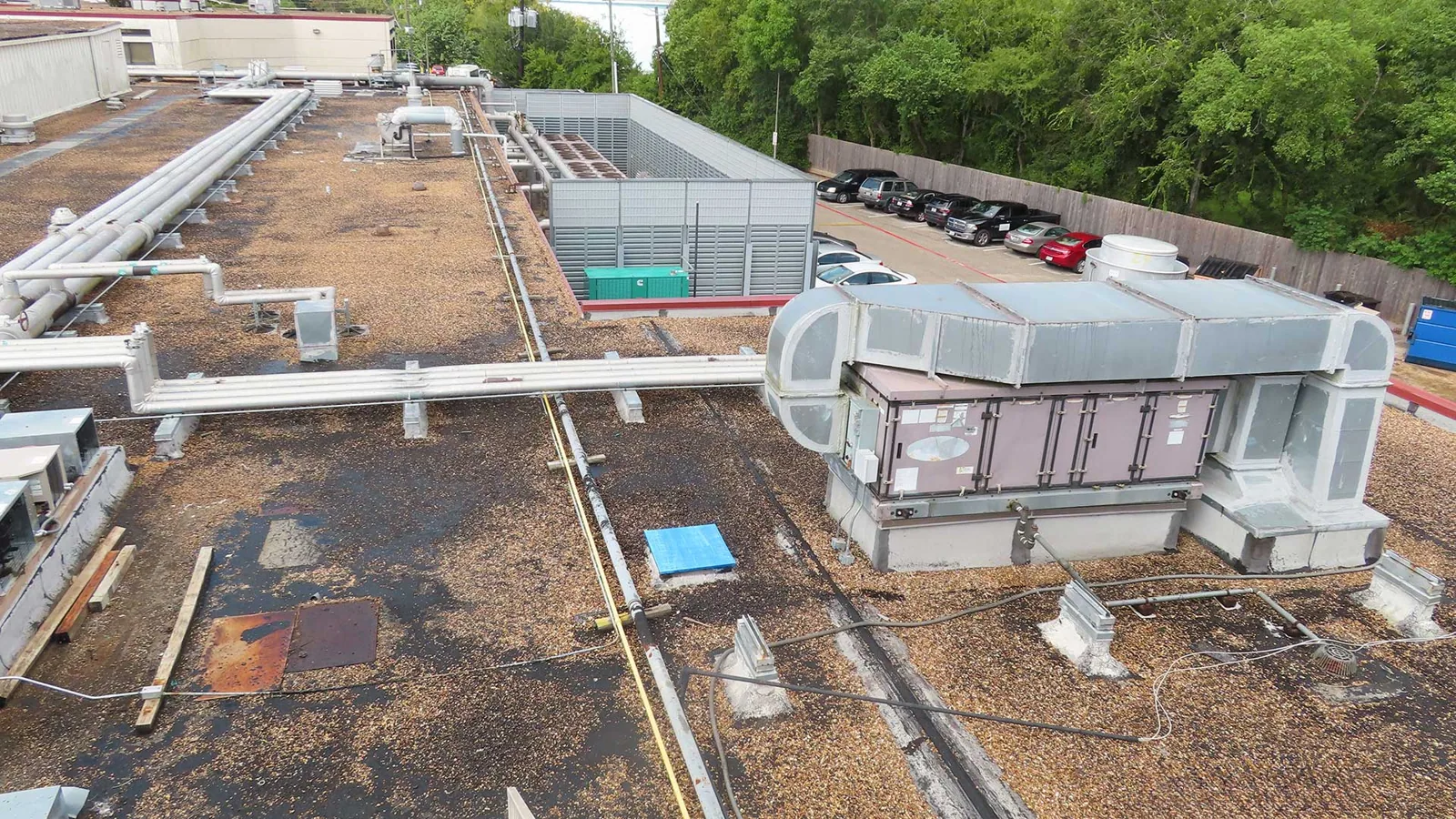
A loose counterflashing detail can become a document question before anyone removes material: which roof section is covered, what maintenance was required, and who must review a repair? Warranty management starts with the actual issued documents, then connects their requirements to the building plan, inspections and work history. Cape Coral's heat, humidity and seasonal rain make dated inspection and repair records useful when staff need to explain why work was scheduled.
A facility in City Centrum and a warehouse along Pine Island Road may have different systems, operators and warranty files. The record needs to identify the covered assembly by building and roof zone. A label alone does not establish the coverage, term or condition.
Index the Issued Terms by Roof Section
Collect the executed warranty, accepted closeout package, system description, roof plan, start date, expiration terms, required notices and any inspection or maintenance conditions. Store the document with the building address and covered sections, not only in a general property folder. If an addition has a different membrane or completion date, keep its records separate. Where a file is missing or does not clearly identify the roof, record that gap before relying on its terms.
We can organize the available paperwork with current roof records and flag details that need confirmation from the issuer. A roof asset file can hold each document with inspection dates, repairs and responsible contacts. A condition report then describes what was observed at the covered area and which questions remain open.
Keep a simple log of notice deadlines, required inspections, approved service channels and document references. Do not infer that all repairs require the same approval path; follow the actual terms. A note that points to the exact clause, roof section and contact is more useful than a broad statement that the roof is under warranty.
Connect Required Care to Field Records
Warranty documents may require periodic inspections, drain cleaning, prompt reporting or limits on modifications. Translate those clauses into tasks with a due date, responsible contact, proof of completion and the relevant roof zone. After a service visit, retain photographs, debris removal notes, seam observations and any repair recommendation. If an area could not be accessed, log the limitation and arrange a follow-up rather than marking the inspection complete.
Cape Coral receives substantial rain, and high summer heat can stress exposed details. Check the drainage path, edge metal, penetrations and equipment curbs during maintenance, then record observed conditions. A preventive maintenance visit can address routine cleaning and minor work, while a roof inspection can establish wider condition and access findings. Use inspection findings to document the condition for the issuer’s coverage review.
For facilities near the Cape Coral Hospital campus, coordinate roof entry and any room or equipment access through the appropriate operations contact. A maintenance calendar should account for the site's actual schedule. The same approach applies to industrial or retail properties along the Pine Island Road corridor, though their access and operating needs differ.
Review a Repair Before the Roof Is Opened
Before cutting or removing material, identify the exact failure, its location, the proposed method and any notice or authorization the document requires. Photograph surrounding seams, flashing and roof layers, then submit the details through the specified process when required. Preserve the response with the work order. If water is active, temporary protection may be necessary, but it should be documented and coordinated with the terms and site contact as circumstances allow.
A leak investigation can trace an interior report to a roof detail and distinguish temporary protection from permanent correction. If an opening is required, record its location and close it with a compatible method. For a larger correction, a defined repair scope should describe preparation, material, tie-in, testing and closeout evidence. Keep any issuer response and repair record together so a later reviewer can understand what was done and why.
New equipment, solar penetrations or third-party work can alter the assembly. Before those changes proceed, compare the proposed detail with roof documents and the written requirements. Do not assume a maintenance contractor or product name changes the terms; the document and issuer response govern.
Keep Evidence Together When a Concern Arises
When a leak or defect is reported, open a record with the date, room, weather, photos, response steps and roof location if known. Separate what staff saw inside from what the inspection confirmed on the roof. Note prior repairs, inspection coverage and any relevant notice submitted. This preserves a clear timeline and prevents the asset file from confusing a past condition with a new one.
Lee County took Hurricane Ian's Category 4 landfall in 2022, and parts of the Gulf coast experienced severe surge. After a major storm, compare dated roof photographs and service records before approving warranty-related work. Use dated roof photographs and repair records for each property’s post-event review. If an active leak occurs, secure the interior as needed and document temporary measures while the covered roof area and notice requirements are reviewed. A transaction survey can also capture warranty documents and known open conditions at a point in time when ownership changes.
Warranty administration should not promise that a condition will be accepted or paid. It should make the required facts accessible: applicable document, notice, inspection, repair, response and current condition. If coverage is unclear, preserve the question for the issuer rather than converting an assumption into a project scope.
Retain a Complete Service History
After authorized work, update the covered roof plan, repair photos, materials, inspection record and any correspondence. Mark completed actions separately from issuer decisions and unresolved questions. Keep the warranty end date and any remaining obligations visible in the property file. For a portfolio, use one naming convention across addresses while keeping each roof section's warranty file and service history distinct.
For a Cape Coral property, provide the building address, warranty package, roof plan, maintenance history and current concern. We can review the roof condition, organize relevant records and identify the documents or inspection findings needed for the next repair decision.
Commercial Roofing Questions
What should be stored with a commercial roof warranty?
Keep the executed document, covered building and roof sections, system information, required maintenance, notice process, dates, closeout materials and service contacts together. Add inspection reports, repair photos and correspondence to the same property record, with each item linked to a location.
Does a roof warranty cover every leak during its term?
The written terms and building conditions determine what may be covered. We can document the reported location, inspect the assembly and organize the applicable records, but only the issuer can make a coverage determination under its document.
Should we notify the warranty issuer before a repair?
Check the specific notice and authorization language before work starts, especially if removal or a system change is proposed. If water entry requires immediate protection, document the condition and response, then follow the stated contact and notice process as soon as practical.
How do maintenance visits support warranty records?
A dated visit can document drains, seams, penetrations, edge details, access limits and completed maintenance. Keep the photos and work notes with the covered roof section. Any condition needing follow-up should remain open until inspected or addressed.
Provide the Cape Coral address, warranty documents, maintenance history and reported condition. We will connect the roof findings with the records and identify the next review or repair step. Call 555-555-5555 or request a roof assessment for Commercial Roof Warranty Management in Cape Coral, FL.