
Plan Cape Coral hospital roof repairs around patient care, equipment, drainage and access. Get phased inspection and replacement planning.
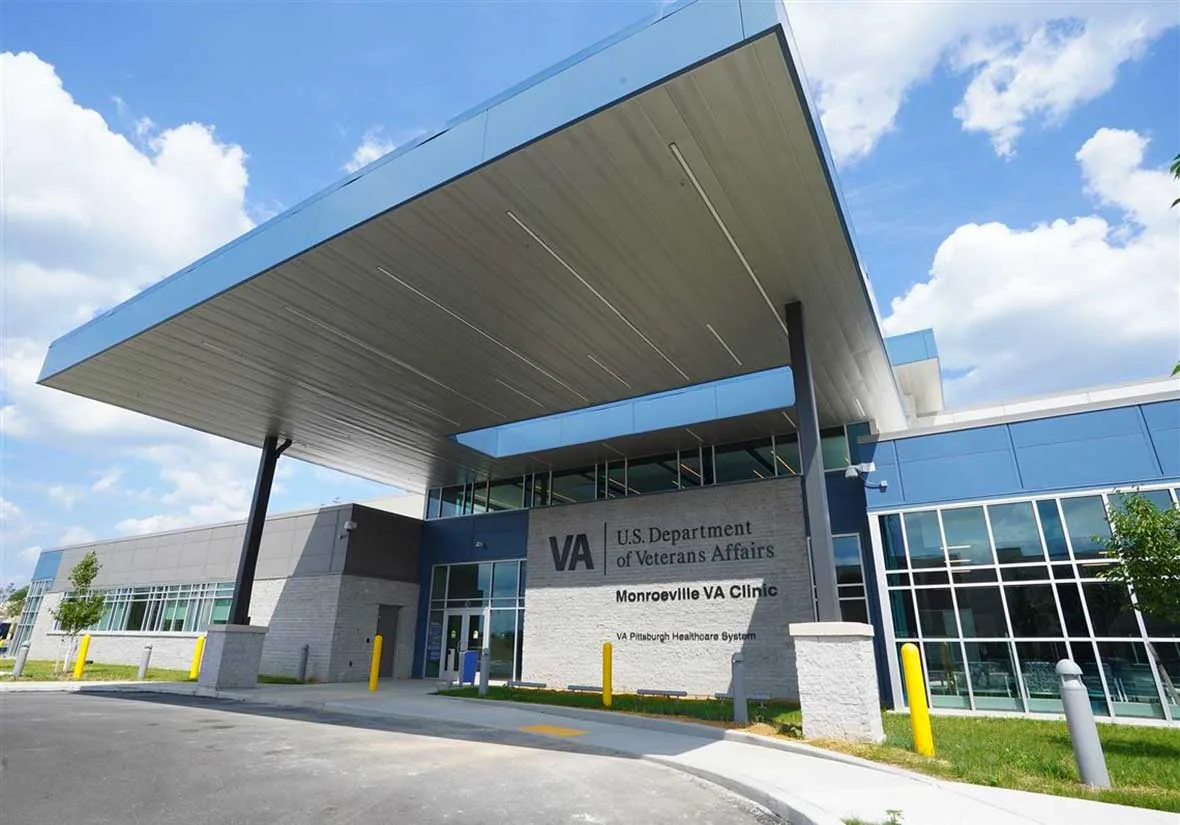
For active water entry, hospital facilities can reach our response team overnight, on weekends and holidays. We coordinate safe access and protect rooms or equipment below before completing permanent work when materials and weather permit.
Set the Roof Boundary Before Work Starts
Begin with the reported room, ceiling location, time and any changes in the leak. Compare that information with the roof plan, nearby drains, curbs, seams and perimeter details. Water can move within insulation or along the deck before it appears indoors, so the source may be away from the visible ceiling mark. We identify the likely roof zones, check previous repair records and define which areas require testing before opening the assembly.
Hospital operations can restrict access to rooms, corridors, loading points and roof entrances. Coordinate escort rules, infection-control procedures, photography restrictions, noise limits and patient-care routes with the facility contact before the visit. If a test opening is useful, arrange interior protection and specify how the opening will be closed. Record every layer and moisture observation before covering the area, then keep the repair boundary tied to those findings.
A commercial roof inspection documents visible conditions and access limits. Where concealed moisture is suspected, an infrared moisture survey can help direct confirmatory testing. A written condition report can give facilities staff a location-based record of photos, tests and recommendations for the next work window.
Keep Essential Systems Available
Inspect around air-handling equipment, exhaust fans, pipe supports, conduit, skylights and service platforms. Check curb corners, flashing terminations, membrane wear and open fastener holes, especially where equipment has been replaced or technicians make repeated visits. A failed detail can affect a room or system beyond the point directly below it, so confirm the affected roof section and report the related interior observation.
For larger repairs, sequence work with the facility’s maintenance and operations teams. Confirm which equipment must remain live, when lifts can enter, where materials can be staged and how dust or debris will be controlled. If temporary access or shutdown is necessary to repair a connection, schedule it with the system owner and document the restoration before returning the area to service. A clear work boundary helps each trade know who restores the membrane, insulation and flashing.
The hospital can request roof assistance at any hour; the response plan follows facility safety controls and active-care access requirements. When water is active, protect the interior and establish safe roof access first. The permanent repair follows as soon as materials and weather conditions permit. For a complex leak, leave a dry-in and inspection record at shift end, then hand off the open items to the next crew and hospital contact.
Inspect Drainage and Perimeter Details
Walk low points, internal drains, overflows, scuppers and gutters. Note blockage, damaged strainers, loose metal and ponding, then trace the route water should take off the roof. Cleaning an outlet can restore flow, but persistent standing water calls for checking deck slope and tapered insulation. Compare the observation with interior leak locations and note whether the same condition appears after more than one rain event.
Warm-season rain and high humidity near Cape Coral keep drains, seams and edge details under frequent moisture exposure. Drain and scupper service handles outlet conditions; ponding-water repair can involve slope, insulation or deck work. Inspect perimeter metal and equipment attachment as part of storm readiness. Hurricane Ian caused severe storm surge in low-lying areas of Lee County in 2022, so post-storm roof access should include a safe review of debris, edge conditions, flashing and drainage.
After inspection, map findings by building and roof section. A healthcare campus may have connected structures with different roof assemblies or installation histories. Keep each area identified on the plan so a repair on one wing does not become a blanket statement about adjacent buildings.
Phase Repairs Around Care and Access
A hospital can have several service entrances and roof-access points. Cape Coral Hospital access is listed from Del Prado Boulevard, SE 8th Terrace, SE 13th Court and SE 6th Street. Confirm the specific gate, escort and delivery route before mobilizing. Keep ambulance access, patient drop-off, fire routes and scheduled vendor activity clear, and stage equipment only in an approved location.
For a defined curb failure, seam opening or puncture, a localized commercial roof repair may keep the rest of the assembly in service. Wider moisture, repeated failures or deteriorated attachment may require phased replacement. A phased occupied-building reroofing plan should identify work zones, temporary dry-in, interior safeguards, material handling and the daily closure point. Set the sequence with the facility’s maintenance calendar rather than assuming every area can be reached at once.
For a related medical office roof or office roof, do not merge the inspection histories simply because one health system manages them. Each roof plan should retain its own assembly, equipment list, repairs and restrictions.
Make Findings Useful for the Next Maintenance Window
Retain leak locations, service calls, test cuts, unit replacements, roof photos and remaining recommendations with the building plan. Label penetrations, drains, roof sections and any place that was not accessible. A future repair crew can then compare the same detail and see whether movement, water staining or membrane wear changed since the last visit.
When repair is no longer the most durable option, compare it with recover or replacement after reviewing the existing assembly, moisture, attachment and code requirements. Replacement can rebuild insulation, curbs and drainage details, but it also requires temporary protection and careful phasing. Replacement planning should state how occupied areas will remain protected and which roof sections will be opened each day. Roof capital planning can organize major work by urgency and operating window.
Cape Coral Hospital is a landmark on Del Prado Boulevard within the city’s broader healthcare market. The Cape Coral Hospital campus is a useful reference when coordinating regional access, but each project still needs a facility-specific access plan, current roof survey and approved scope. Provide drawings, prior leak records, system details and the operations contact before scheduling; we will document conditions and return a clear sequence for the work.
Commercial Roofing Questions
Can roof repairs be phased while a hospital stays open?
Yes, many scopes can be separated into roof zones with safe closure points and protected interiors. We coordinate access, material staging, noise and any system restrictions with the hospital team before work begins. The plan identifies what remains open, what needs temporary protection and who receives the shift handoff.
What needs to be checked after rooftop equipment service?
Inspect curb flashing, support bases, nearby membrane, exposed fasteners and any former line route or equipment footprint. Confirm which trade restored each roof connection and retain photographs with the unit and roof-zone labels. This makes it easier to compare the detail at the next service visit.
How should a hospital handle an active roof leak overnight?
Protect the interior and affected equipment, notify the facility contact and arrange safe roof access. Emergency response is available at all hours, including holidays. We document the temporary protection, then complete permanent work when access and weather allow the specified materials to be installed.
What conditions justify a hospital roof replacement assessment?
Several recurring leak zones, broad wet insulation, deteriorated attachment or failures across multiple sections can support a wider assessment. We map findings, identify immediate protection and compare repair with recover or replacement based on the current layers. The resulting sequence accounts for care operations and access restrictions.
Provide roof drawings, leak records, access procedures and upcoming equipment work. We will inspect the affected sections, document drainage and flashing, and prepare a phased scope with facility operations in view. Call 555-555-5555 or request a roof assessment for Hospital Roofing in Cape Coral, FL.