Repair split or open commercial roof seams in Cape Coral. We inspect the membrane, adjoining details and moisture before setting the repair boundary.
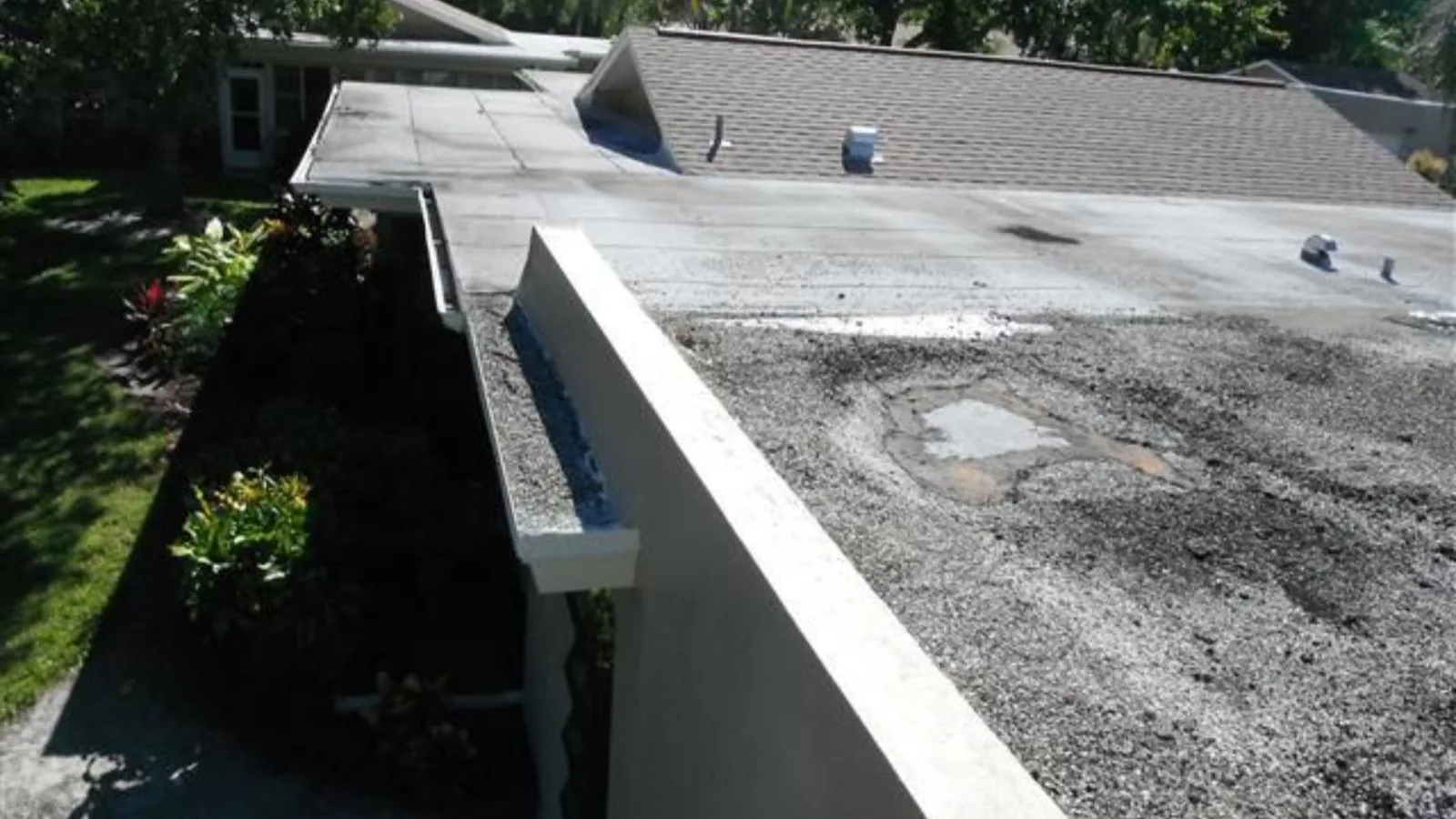
A seam that has lifted at one end needs more than a bead of sealant across the visible gap. The repair depends on the membrane type, how the lap was joined and whether the surface below remains dry and secure. Cape Coral’s high summer heat and humid air put repeated stress on roof details, while heavy rain tests every open joint. We inspect the seam length, adjoining flashings and substrate, then mark where sound material can accept a new tie-in.
Find the Full Length of the Open Lap
Start at the point where the seam first separates and follow it in both directions. Check for a narrow gap, fishmouth, wrinkle, contamination, brittle membrane or an edge that has pulled away from its bond. Look at the roof immediately uphill and downhill because water can travel under the membrane before reaching the interior. Mark the limits on a roof plan and photograph the seam with a scale or fixed feature for reference.
Identify the installed system before choosing a repair. A thermoplastic lap may require proper heat welding and a probe check; an adhesive-bonded seam calls for a different preparation and compatible material. Clean and prepare the surface only as the system permits. If the membrane is wet, aged or contaminated, the new material needs a sound area to bond or weld to, not simply a wider cover strip over the same weak condition.
At a confirmed TPO roof, system-matched TPO seam repair can restore the lap when the surrounding membrane is suitable. A commercial roof inspection checks nearby transitions and field conditions, while a bounded roof repair can keep the work limited to the seam and adjoining material that needs attention.
Check What Is Beneath the Membrane
An open seam can admit water without revealing how far it traveled. Inspect the insulation, cover board and deck where accessible, particularly where the leak is reported. Moisture testing can identify areas for confirmation; a controlled test cut shows the actual layers and whether they remain usable. Record each location and the removal boundary before proceeding. If wet insulation extends past the seam, include that material in the scope instead of bridging it with a surface patch.
Look for conditions that may have contributed to separation: movement at a transition, membrane tension around a curb, debris trapped in the lap, ponding at a low point or previous repair material that interferes with a new weld. The visible opening may be a symptom rather than the only defect. Correct drainage or flashing where those conditions are confirmed so a rebuilt seam is not left beside the same source of movement or standing water.
Fort Myers records show dew points above 75 degrees across consecutive summer days, reflecting Cape Coral’s humid climate. Moisture in the roof assembly matters in this environment because the repair needs to close the weather surface and address any wet layers uncovered during inspection. Keep test findings tied to the roof section and material rather than using a general moisture label for the entire building.
Control Water While the Repair Is Prepared
If an open seam is admitting water after business hours, our response can be arranged overnight, on weekends and holidays, subject to safe access. We protect the interior and document any temporary closure separately from the completed weld or repair.
Check drains and overflows along the seam’s path. A blocked outlet can leave water in contact with a weak lap and make a small defect harder to isolate. Drain and scupper service restores outlet function when obstruction is the issue. A low deck or tapered insulation problem needs a separate evaluation; cleaning the drain alone will not change the plane of the roof.
When several seams are open, map the locations by roof zone and compare them with earlier repair records. If failures cluster at the same material transition or exposure, inspect that detail across the roof before recommending a full replacement. Repeat findings can support a broader assembly review, but each seam still needs a documented condition and clear scope.
Choose Between a Seam Repair and System Renewal
A single split lap may be repaired when the adjoining membrane is secure, cleanable and compatible with the selected material. Widespread seam separation, brittle membrane or wet insulation in multiple zones can shift the decision toward broader renewal. We show the difference in the report: which seams can be repaired, where testing is needed, and what assembly concerns affect a recover or replacement decision.
Recover depends on existing attachment, moisture, deck condition and applicable requirements. Replacement can reset the membrane and seam layout, but it also needs secure closure points, material staging and weather planning. Replacement planning should identify which roof areas open each day and how new seams will tie into curbs, walls and drains. For a separate flashing failure or membrane puncture, keep the detail and repair method distinct within the same work plan.
Facilities along Pine Island Road include commercial, office, flex and industrial uses. At Hancock Creek Commerce Park, planned development includes office, flex, manufacturing and warehouse buildings. Before material delivery, confirm the property’s roof drawings and access rules, then match the repair to its installed membrane system.
Verify the Lap Before Closing the Work
After preparing the substrate and installing the repair, inspect the entire new tie-in rather than only its center. Check the seam edge, terminations, corners and any change in plane. For heat-welded material, probe the finished lap after it has cooled and correct any skips or voids. For bonded systems, follow the specified curing and adhesion requirements before exposing the work to water or foot traffic.
Photograph the completed repair with its roof-zone label and record the system, materials, preparation and test result. Note any remaining inaccessible seam or nearby area recommended for later review. The facility contact should know whether the roof can return to normal use and when follow-up inspection is needed. Keep the repair record with the drawing so the next crew can locate the tie-in and compare the adjoining field.
Share the address, roof plan, leak locations and any prior seam repairs. We will identify the system, inspect the full lap and adjacent layers, and prepare a repair boundary that follows the field condition.
Commercial Roofing Questions
Can an open seam be resealed without removing membrane?
It can be repaired in place when the membrane around the seam is sound, dry and compatible with the repair method. We inspect the full lap and test the adjoining material before selecting a weld or bonded detail. If the substrate or insulation is wet, the repair scope needs to address those layers too.
Why do seams separate near a curb or drain?
Movement, membrane tension, surface contamination, poor drainage or an incompatible prior repair can affect a lap near a transition. We check the seam, adjacent flashing and roof plane together. The cause and extent determine whether to rebuild one connection or include related work in the repair.
How do you test a completed heat-welded seam?
After the weld cools, we probe along the lap and inspect corners and terminations for skips or voids. Any defect is corrected and checked again before the repair is accepted. Photographs and the roof-zone location go into the closeout record.
When should repeated seam failures lead to a replacement assessment?
A pattern across several roof sections, brittle membrane or widespread wet insulation can indicate that isolated repairs will not address the assembly condition. We map open seams, test where findings can change the decision and compare local repair with recover or replacement based on the system and attachment.
Send the roof plan, reported leak locations and past seam repairs. We will identify the membrane, inspect adjoining material and document the test and repair limits before closing the work. Call 555-555-5555 or request a roof assessment for Commercial Roof Seam Failure Repair in Cape Coral, FL.