Inspect roofing at The Cove at 47th in Cape Coral with building-specific repair limits, occupied-space coordination, drainage review and closeout records.
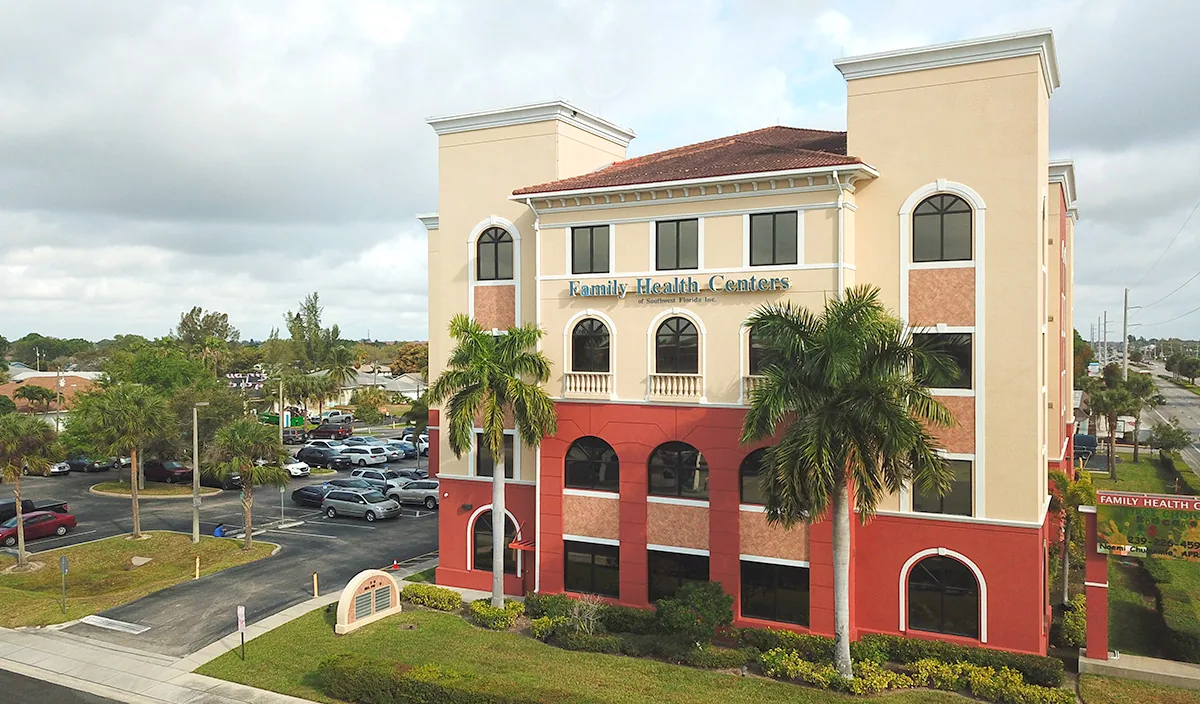
A loose counterflashing at a parapet can feed water behind the wall while the roof field remains intact. At The Cove at 47th, an operating mixed-use community at 870 SE 47th Terrace in Cape Coral’s South Cape entertainment district, roof work needs to respect both the verified assembly and the activity below. The development includes 292 apartments and a two-story public parking garage, with dining, fitness, work and community spaces. We identify the affected building, access route and operating contact before setting a repair boundary.
Those uses bring different hours, pedestrian paths, rooftop equipment and interior sensitivities. We verify the installed system and repair need at the specific address. Cape Coral’s high summer heat, humidity and warm-season rain make drainage, flashing preparation and daily closure important in the inspection. We photograph the field condition, compare it with prior repair records, and explain what is confirmed, what needs testing and what must stay open for owner direction.
Locate the Opening Before Defining the Repair
Start by matching each leak report to a roof plan and the room or service area below. Check the nearest wall termination, seam, drain, curb, penetration and previous patch, then follow signs of water travel beyond the apparent stain. Water can move beneath the membrane or across a deck before reaching the interior. A leak investigation should distinguish a confirmed opening from an area that needs moisture mapping or additional access. We mark every observation by roof section and photograph both the defect and the adjoining detail.
On multifamily buildings, access may involve resident notice, controlled entry, roof keys and limits on work above occupied units. In areas serving fitness, dining or community use, coordinate noise, odor and temporary route changes with management. At the garage, verify the walking or driving surface and waterproofing assembly before cutting or moving heavy equipment. A phased occupied-property plan identifies work windows, protection below, lift placement and a daily handoff contact for each building.
Before repair, confirm the roof material, attachment, substrate and condition of the adjacent lap. Membrane needs compatible flashing and a prepared surface. Metal requires secure fasteners, closures and movement allowance. Sealant cannot replace failed attachment, and a coating cannot correct wet insulation or an unstable transition. The roof inspection records assembly details and highlights any test cut or repair opening that needs separate approval.
Keep Water Away From Occupied Edges
Cape Coral receives about 57 inches of annual precipitation, with rain concentrated in warmer months. Check strainers, drain rings, scuppers, overflow openings, gutters and downspout connections before surface repairs. Note whether water is trapped by debris, a low area, a failed flange or a blocked route. Each cause has a different correction. A drainage repair scope should show where roof water leaves the assembly and whether the discharge could affect an entrance, garage edge or pedestrian path.
Humid air can complicate adhesive, sealant and coating preparation, especially when the substrate holds moisture. We verify that surfaces are clean, dry and stable for the selected material, and we avoid closing over suspect insulation. If removal reveals a larger wet area or damaged deck, locate it with photographs, protect the opening and get direction before widening the work. When appropriate, an infrared moisture survey can help target further checks, with any indicated area confirmed using the method suited to the roof assembly.
Salt-laden air and wind-driven rain vary across Cape Coral with exposure and shelter. At The Cove, we inspect actual metal surfaces and edge connections for corrosion, loosened fasteners, open joints and coating breakdown rather than assuming a uniform condition. Pay particular attention where coping, membrane, wall flashing and rooftop equipment meet. If corrosion reaches the attachment or the metal no longer holds a sealed joint, the scope may need replacement of that detail instead of a surface touch-up.
Sequence Roof Work With Daily Activity
Before work begins, confirm parking and loading restrictions, resident notice, access to the roof, fire lanes, lift positions and protection for active spaces. Keep material staging clear of entrances and establish who may authorize a temporary shutdown or added work. When units or community areas remain in use, close only a roof section that can be protected at the end of the shift. Inspect temporary terminations and drains before leaving, then document the work area for the next crew and property contact.
Hurricane Ian made landfall in Lee County in 2022, bringing severe storm surge along parts of the Gulf coast and low-lying areas. Keep wind and water control in view while inspecting the current perimeter, edge metal, seams, penetrations and prior repairs. The design or repair requirements follow the project and applicable Florida Building Code, 8th Edition (2023). A hurricane-related roof evaluation can document present conditions and separate repairs from questions needing further engineering review.
Cost and timing depend on roof area, number of transitions, access, material availability, testing, debris control and how much work can proceed without disrupting building operations. A local repair can be efficient where the surrounding assembly holds; recurrent leaks, broad moisture or weak attachment may justify comparing restoration or replacement. The repair scope should state preparation, materials, tie-in, testing and excluded conditions. Broader work needs its own limits and concealed-condition approval points.
Carry Findings Into the Next Maintenance Cycle
After work, provide photographs, dates, materials, locations, drainage observations, test results and areas that could not be accessed. Separate each residential or commercial roof zone in the record, and show what remains for follow-up. Match a leak report with a roof condition only when the investigation supports the connection. The roof condition report can give management a usable baseline for budgeting, resident communication and later repair planning.
Keep a current roof plan when equipment or penetrations change. Record who performed later work, where a patch ends, and whether an outlet or edge detail received correction. That history helps the next inspection compare the same locations and determine whether movement or moisture has continued. For another Cape Coral property, the roof details need their own plans and field check; a separate inspection at Bimini Square or Cape Coral Grove starts with that address’s records.
Send the address, roof zone, leak history, building hours, access instructions and management contact. We will inspect the affected assembly, define confirmed repairs, identify any needed testing and schedule work around the active community.
Commercial Roofing Questions
How do you plan roof work above occupied apartments?
The property manager identifies notice periods, roof access, resident routes and any rooms or amenities that need protection. We divide the work by roof zone, control noise and debris, and complete a secure daily closure. If removal exposes a condition outside the written scope, we photograph it and obtain direction before expanding the repair.
What is different about inspecting a public parking garage roof?
First confirm whether the surface is a roof membrane, traffic coating or another waterproofing assembly. We check penetrations, joints, drains and transitions, then coordinate any test or repair with vehicle access below. The repair material and protection period must suit the verified assembly and use.
Can repeated ceiling reports be handled with one patch?
Only if inspection ties the reports to the same opening and the surrounding roof can accept a repair. We map each report, inspect adjacent seams and flashings, and test moisture where needed. Repeated findings across separate roof zones may indicate a broader condition worth comparing with renewal.
What records should management keep after a roof repair?
Retain the building and roof-zone location, before and after photographs, material and preparation notes, date, drainage findings, excluded areas and follow-up items. We can return the record in a format that helps maintenance staff locate the repair and check the same transitions at the next visit.
Share the building plan, resident or tenant schedule and person responsible for site access. We will map roof conditions and coordinate a phased repair sequence. Call 555-555-5555 or request a roof assessment for Cove at 47th in Cape Coral, FL.