
Review Pine Island Center commercial roofs for drainage, rooftop equipment, storm exposure and repair boundaries, with access planned through Matlacha.
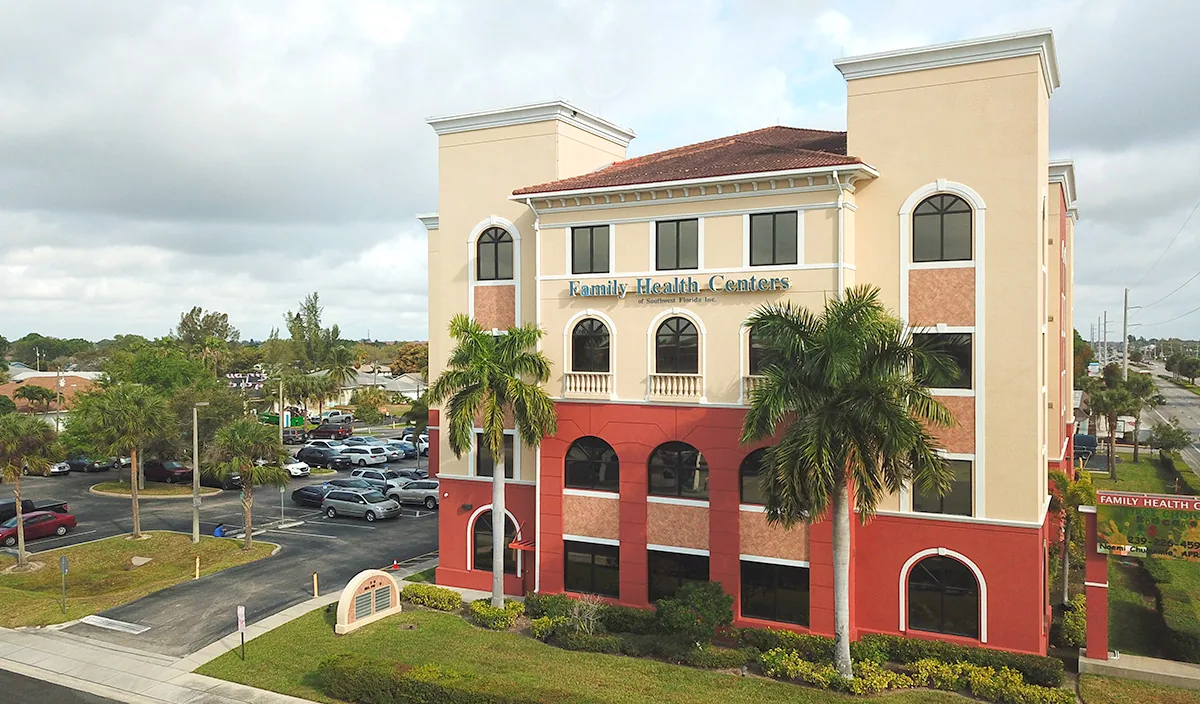
A drain outlet that backs up at the roof edge can leave water against flashing and eventually move beneath the covering. In Pine Island Center, commercial and public-service buildings rely on the Pine Island Road connection through Matlacha and Cape Coral, FL. That route is part of the property’s operating context when materials, lifts or service crews must reach an address. The roof itself sets the repair: inspect the outlets, edge metal, penetrations and equipment supports, then decide whether the observed defect is local or part of a wider moisture condition.
Warm-season rain and humid air make drainage and dry surface preparation central to roof work in this market. At Pine Island Center, confirm each roof’s slope and exposure before planning drainage or attachment work. We confirm the drainage pattern and assembly at each building, then arrange a safe route to inspect it. Where a leak is reported, compare the interior mark with roof seams, walls or outlets that could channel water before it appears inside.
Map the Assembly Before Opening a Roof
Gather the roof plan, access instructions, repair history and leak locations before mobilization. Identify the field material, perimeter, drains, seams, curbs and penetrations where visible. Check whether an earlier patch can bond to the existing surface and whether its edges remain secure. A roof condition survey should identify accessible areas, findings and questions requiring moisture testing or selective removal. If a roof plan is missing, create a labeled sketch so the owner can return to the same location later.
Public-service use may require clear access, notice and protection for people entering the building. Confirm doors, walkways, vehicle routes, utility service and any operating hours with the responsible contact. Staging must not close the only approach to an occupied area. A work sequence for occupied facilities can state how much roof is opened per shift, what protection remains in place and who checks the daily closeout.
Do not assume that an island property uses a particular roof system. If membrane is present, examine seams, terminations, flashing height and insulation condition. If metal is present, check fastener hold, panel laps, closures and movement at penetrations. A roof insulation review can help define a test opening or broader removal when moisture is suspected, while keeping any repair boundary tied to what the opened assembly confirms.
Trace Roof Water to Its Discharge
Warm-season rain tests the complete drainage path, from high points and sumps to the outlet and discharge. Inspect each drain bowl, strainer, clamping ring, scupper, gutter and overflow. Note whether water is trapped by debris, a low spot, a damaged flange or an obstruction beyond the roof. A drainage correction should match the cause. Cleaning will not repair a loose connection, and a new membrane will not correct slope unless the scope changes that condition.
Check the wall beside the outlet and any walkway or service area below. Discharge should not run behind the edge termination or collect where it can interfere with access. If a drain connects to a concealed line, confirm available drawings and test the downstream route before assigning the roof surface as the only source of the problem. Photograph the outlet before and after work and record any follow-up that needs a plumber or site maintenance contact.
High roof temperatures and humidity influence repairs. Prepare the substrate to the selected membrane or sealant requirements, and do not cover material that remains damp or unstable. If a test cut finds wet insulation, locate its extent and take photographs before reinstatement. An infrared moisture scan can direct additional investigation where the assembly and weather conditions are suitable, with any indicated area checked using a confirmatory method.
Plan for Coastal Storm Loads and Access
Ian’s Category 4 landfall occurred in Lee County in 2022, with significant to devastating surge along its coast, low-lying areas and canals. After severe weather, inspect the building’s equipment securement, curb flashing and edge details, then record findings by roof section. Check rooftop supports, curb flashing, perimeter attachment and the transition between roof and wall. Record whether equipment rails, fasteners or metal edges have moved. The storm damage assessment can separate an observed roof opening from a design or structural question for another specialist.
Pine Island Center lies west of Cape Coral along the Pine Island Road route, which passes through Matlacha. Travel and material delivery plans should leave enough time to protect an open section before rain or the end of a shift. Confirm vehicle limits, staging area, roof access and a local contact who can authorize a change in scope. If a temporary repair is used to stop active entry, record its material, location and expected follow-up rather than treating it as permanent renewal.
Project cost and duration vary with the roof area, perimeter details, material selection, access, tests, disposal and schedule windows. Repeated leaks, widespread wet insulation or deteriorated attachment may justify comparing broader renewal with another isolated patch. A repair scope should list preparation, tie-in, flashing and testing; a replacement alternative should show what is removed, what is installed and how daily closure will be maintained. Florida Building Code, 8th Edition (2023), is the adopted edition in Cape Coral, with project requirements determined by the actual scope and applicable review.
Leave a Record Along the Route
For maintenance, keep photographs, date, roof-zone labels, material information, drain condition, repaired transitions and areas that were not accessible. Record who approved added work and whether a moisture test remains open. A roof condition file helps a property manager compare future visits and identify a change at the same outlet or penetration.
The route through Matlacha connects island communities with Cape Coral. An assessment in Matlacha or along the Pine Island Road corridor should have its own address and roof map, even when one facilities contact coordinates access for several properties. Keep logistics notes with the right building record so a future repair crew can find both the roof detail and the approved staging location.
Provide the property address, roof plan or sketch, reported condition, access window and contact for building operations. We will inspect the assembly, map confirmed issues and return a repair or replacement recommendation with any further testing identified separately.
Commercial Roofing Questions
How should a leak report be checked at a Pine Island Center building?
Begin with the room, roof zone and recent weather, then inspect nearby seams, flashings, drains and penetrations. We map water travel and distinguish the visible interior effect from the confirmed roof opening. Moisture testing or a controlled test cut can follow if the assembly remains uncertain.
Can rooftop equipment be evaluated during the same visit?
Yes, where access is safe and the equipment area is within the agreed scope. We inspect curb flashing, support attachments and nearby membrane or metal transitions, then note any structural question separately. The maintenance contact should identify operating restrictions before access is arranged.
What should be arranged before roofing material travels through Matlacha?
Confirm the delivery route and window, vehicle access, staging location, roof-entry method and person who can approve a field change. We coordinate those items with the property contact and plan the work area so an opened assembly can be secured before weather or shift end.
When is a roof repair no longer a local repair?
A wider option should be compared when moisture extends beyond the defect, similar openings repeat across roof zones or attachment and substrate no longer support a sound tie-in. We document what testing established and define the boundary before pricing removal beyond the confirmed area.
Send the address, roof plan, repair history, leak report and access contact. We will map the roof, evaluate drainage and attachment, and prepare a scope tied to the confirmed conditions. Call 555-555-5555 or request a roof assessment for Pine Island Center in Cape Coral, FL.