
Plan school roof repairs and replacements in Cape Coral around classrooms, kitchen operations, drainage and summer weather. Get a documented scope.
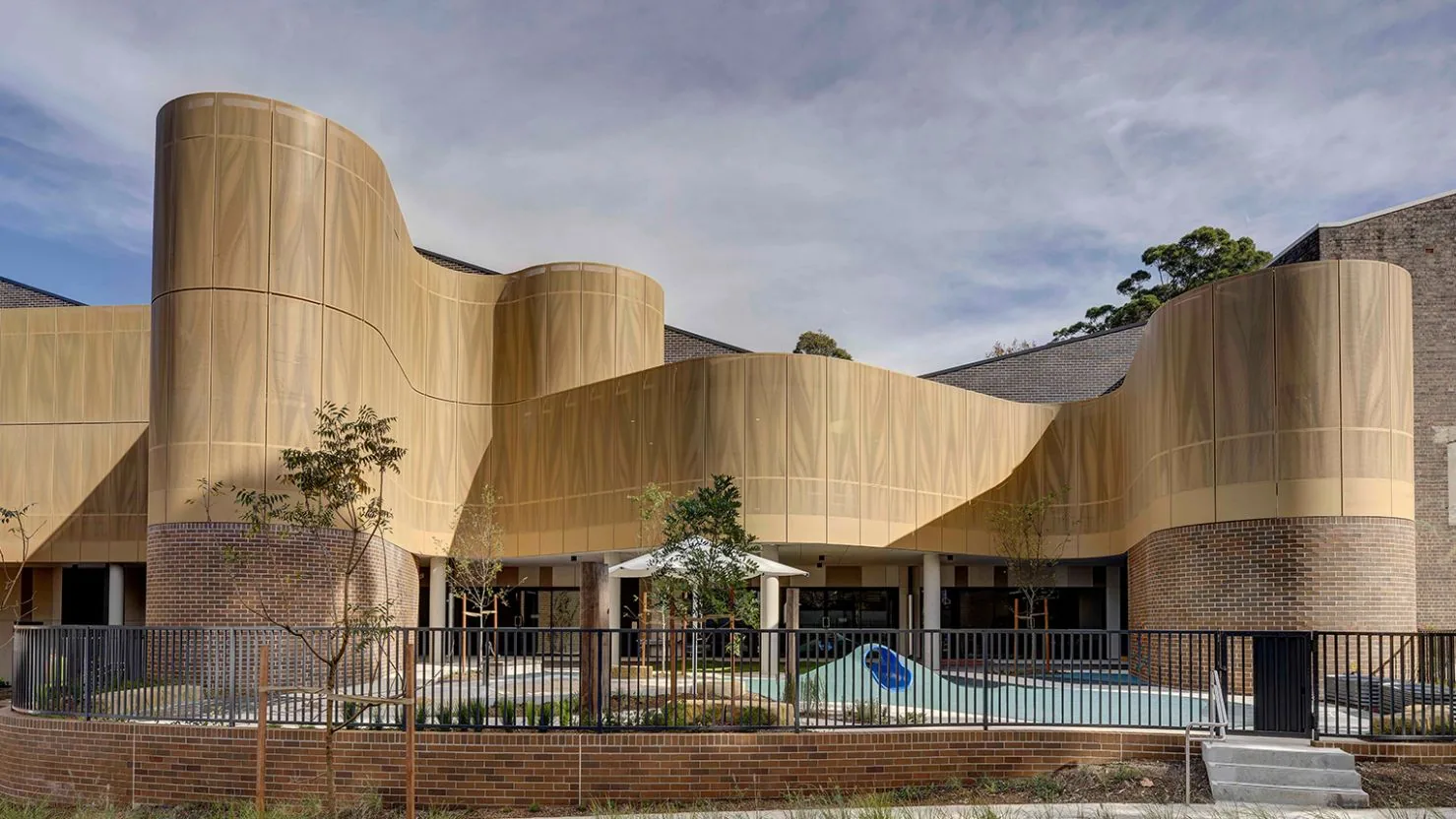
A loose coping cap above a classroom wing can send rain behind the wall before a ceiling tile gives anyone a clear warning. School roof work starts by tracing that edge into the membrane, wall flashing and drainage path, then marking how much material can be repaired without closing a larger area. In Cape Coral, high summer heat and humid air make substrate condition part of the decision, especially when a wet section would be sealed beneath new work. Lee County School District is among the city’s major employers, so a school roof plan must account for occupied buildings, maintenance contacts and the calendar that governs access. We inspect, repair and replace commercial school roofs, with emergency response available every day and at any hour when a leak needs immediate attention.
Separate the Roof Finding From the Classroom Report
A ceiling mark identifies where water became visible, not necessarily where it entered. We compare the room location with roof seams, equipment curbs, wall transitions and nearby drains, then record the path that evidence supports. For a school, this distinction matters because a leak can affect a classroom, cafeteria or storage room. The report identifies the roof section, visible materials, active entry and areas that could not be safely reached. If the evidence points toward concealed wet insulation, infrared patterns can guide authorized sampling, while a core opening confirms material only at its test point.
Older repairs and additions can leave different roof assemblies side by side. We mark where the membrane type, insulation depth, deck transition or edge detail changes rather than treating the entire campus as one uniform surface. If an active leak is the immediate concern, commercial leak investigation can trace the entry and define a repair boundary. A broader roof condition inspection records adjoining details and gives the district a basis for deciding which work belongs in the current scope.
Fit Access Around the School Calendar
Roof access is only one part of a school work window. Deliveries, kitchen ventilation, student routes, staff occupancy, testing schedules and summer programs can change which areas are available and when. We confirm the operating contact, roof entry point, restricted areas and shutdown approvals before materials arrive. If a crane, lift or waste container affects a drive or play area, the site plan should show the route and the time needed to clear it. These details are building-specific. A district calendar can guide planning, but it does not replace confirmation from the school and facilities staff.
The Pine Island Road corridor includes commercial, office and employment uses, while the Burnt Store and Academic Village area is a city-planned northwest growth area with commercial-center concepts. Those local contexts make phased access and clear area labels useful across facilities. College and university roofs need their own campus access windows and service controls. For a roof that must stay open during construction, our occupied-building reroofing sequence sets noise, tear-off and temporary-protection limits. Near air intakes, identify served rooms before coordinating covers or shutdowns with the building contact.
Protect Open Sections Through Heat and Rain
At the nearby Fort Myers Page Field station, long-term summer highs reach roughly 91 to 92 degrees, and annual precipitation is close to 57 inches. For a school roof, use the current forecast to plan worker exposure and surface preparation; warm-season showers can interrupt tear-off, adhesive application or flashing work. We limit the area opened at one time, check the substrate before closing it, and leave each shift with a secure water-shedding boundary.
After a weather event, we document observed movement, punctures, displaced metal or blocked drainage and separate those findings from older conditions when records allow. A focused wind damage review can identify roof-level evidence without assigning a cause that the site inspection cannot confirm. Any wet material should be evaluated before new insulation or membrane conceals it. For school facilities, group roof observations by building and coordinate lift routes, occupied entrances and weather closures with the district contact.
Choose Repair, Recover or Replacement by Assembly
A repair is a sound choice when the defect is local, the surrounding membrane can accept a compatible patch, and the assembly remains dry and attached. When damage repeats at several seams or the insulation condition is uncertain, test the roof before extending the repair allowance. A recover may reduce removal work only when the existing layers, attachment, drainage and code requirements permit another assembly. Replacement exposes the deck for inspection and allows insulation, edge metal and transitions to be corrected together, but it requires a larger access and occupancy plan. We compare those options using the observed roof conditions and the school’s operating restrictions.
Drainage should stay visible in every choice. A clogged drain, settled insulation or poorly placed overflow can leave water at low points and accelerate seam stress. Our drain and scupper work addresses the drainage path while the surrounding roof details are accessible. Where the existing surface may be suitable for a coating, a coating restoration still depends on adhesion, moisture, slope and edge condition; it is not a substitute for removing unsound material. A written scope should list preparation, repair limits, tie-ins, protection and how completed areas will be inspected.
Leave the Facility Team With a Usable Record
Before work closes, we mark completed areas on a roof plan and identify any deferred defect, inaccessible section or condition that needs monitoring. The record should include dated photographs, materials installed, concealed conditions found and the location of each repair. If a roof is under warranty, the district can compare the proposed work with available documents and confirm required review before crews disturb a covered detail. Closeout should also leave staff with practical information: drain locations, new transitions, temporary restrictions and the contact path for reporting water entry.
For a multi-building school portfolio, consistent labels let staff compare conditions without transferring one roof’s history to another. A district office roof may call for the same documentation as an occupied office building. A photo-based roof condition report can separate repairs from budget planning. City Centrum and Burnt Store and Academic Village offer local context for facility coordination. Send the facility address, available roof plans, leak locations and school access contact. We can inspect the assembly, record the evidence and define a work boundary that fits the building’s schedule.
Commercial Roofing Questions
Can roof work take place while students are in the building?
The answer depends on access, noise, air intakes, delivery routes and the area released by school staff. We map work zones and agree on start and stop times, then secure each open section before leaving. Some repairs can be isolated; tear-off or crane work may require a separate window. The schedule should follow the school’s approved operating plan.
How do you determine whether a classroom leak needs a local repair?
Start at the reported room, then compare the ceiling location with seams, penetrations, walls and drains above it. If the membrane around the likely entry point is sound and dry, a compatible repair may be enough. Where water has traveled or insulation may be wet, we document the limit of visible evidence and recommend testing before closing the area.
What should a district compare before choosing recover or replacement?
Review the existing layer count, attachment, drainage, deck condition, insulation moisture and details that a new system must meet. Recover can be appropriate when the assembly is suitable and approved. Replacement is more disruptive but allows the deck and transitions to be examined directly. We put the observed conditions and access effects in the scope so the decision is specific to that roof.
Does Hurricane Ian mean a Cape Coral school roof has storm damage?
No. Ian’s 2022 landfall affected Lee County and parts of the regional coast, but a regional event does not prove damage at an individual school. We inspect the building, photograph visible changes and compare available records. If the cause remains uncertain, the report describes what is present and what further evaluation could establish.
Share the school address, roof records, reported condition and the facilities contact who can coordinate access. We will inspect the assembly, document findings and outline repair or replacement steps that fit the approved work window. Call 555-555-5555 or request a roof assessment for K-12 School Roofing in Cape Coral, FL.