
Inspect commercial roofs at Del Prado Gateway in Cape Coral with a field-based plan for access, occupied operations, flashing and drainage.
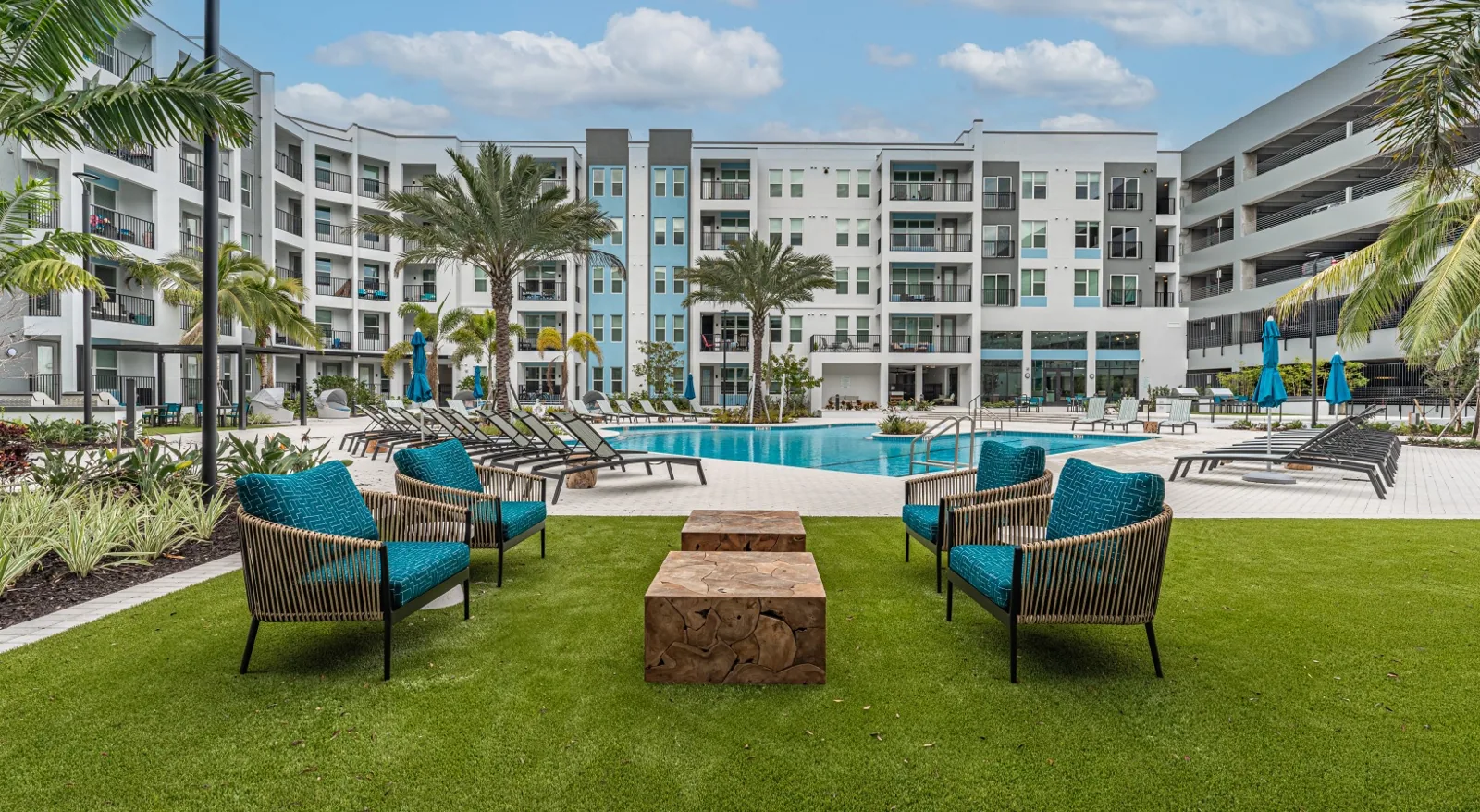
A metal coping joint that has pulled apart at a parapet can funnel wind-driven rain into the wall and roof assembly. Del Prado Gateway fronts Del Prado Boulevard, with commercial, office and institutional uses suited to the corridor. The roof inspection starts at the property address and confirms its assembly, access and repair boundary. We inspect the address, verify access and locate the repair boundary before specifying materials.
Cape Coral Hospital also fronts Del Prado Boulevard at 636 Del Prado Boulevard. The Cape Coral Hospital campus is a nearby healthcare landmark; coordinate each project with the access and operating contact for its own property. For each property, we match the water report to the roof plan and the details around drains, walls, equipment and edges.
Inspect the Frontage and the Roof Assembly
Start with the property address, current roof records and the person who can approve access. Locate the reported leak or planned work area, then check membrane laps, metal seams, edge termination, curbs, wall transitions and drains. Record visible defects with photographs that include nearby details. Water may travel through insulation before it appears indoors, so the room below is a clue rather than a complete diagnosis. A commercial roof inspection maps conditions and any area that could not be reached.
Del Prado frontage can involve loading, parking, customer or staff movement, but the actual site route needs confirmation at each address. Agree on lift placement, delivery hours, debris handling, pedestrian separation and any fire-lane restrictions before material is staged. Where an office or institutional use is confirmed, coordinate interior access and work hours with the building contact. The office roof inspection can provide a useful checklist, while the field walk establishes the actual building details.
Moisture mapping, core cuts or other tests should answer a stated question. A scan may direct follow-up; selective openings can confirm layers when authorized. Keep results tied to the roof plan and distinguish verified material from an assumption. A photo condition report gives the owner a durable reference when comparing repair with broader renewal.
Check Terminations Before Rain Returns
At a roof edge, inspect coping joints, cleats, fasteners, laps and the membrane turn-up below. At wall transitions, look for separated counterflashing, open sealant joints and movement where dissimilar materials meet. A coping and edge-metal review should identify whether the repair includes fastening, substrate work and a watertight membrane connection, not just a bead of sealant over a loose joint.
Fort Myers Page Field normals, used as the closest long-running official station for Cape Coral, show summer highs near 91 to 92 degrees and annual precipitation around 57 inches. Heat cycles and heavy rain make edge attachment and clean substrate preparation important. Before a repair, determine whether the existing metal remains secure and whether the membrane can accept a compatible tie-in. If corrosion or movement extends beyond the visible seam, document the affected length before setting a patch limit.
Inspect edges, drains and rooftop transitions now, then note any movement or water entry that is actually found. At Commercial Roofing at Del Prado Gateway, Cape Coral, compare new edge, seam and drainage observations with dated photographs from that property’s own roof file.
Keep Corridor Access in the Work Plan
Before mobilization, identify the approved entrance, delivery route, material staging area and pedestrian controls. Confirm the work hours and any customer, staff or service access that must stay open. If a lift or debris chute could cross an active path, arrange a barrier and contact who can pause work if the site changes. These details affect the schedule and should be resolved before the crew arrives.
For larger repairs or replacement, phase the roof so each area can be secured before the shift ends. Limit removal to what can be closed the same day, then inspect temporary seams, drains, tools and debris before leaving. An occupied-building roof sequence can state daily closure points, notifications and the handoff needed when operations resume.
If work is near building equipment, confirm who controls shutdown and startup before any curb or service line is disturbed. When removal reveals wet insulation or a deteriorated deck, photograph and locate the condition, protect the opening and request authorization before extending the work. Confirm entry, staging, access restrictions and roof details directly with the authorized contact for each property.
Compare a Local Repair With Renewal
A small split at a coping joint or isolated membrane puncture can support a repair if nearby material is sound, dry and secure. Repeated leaks, wet insulation across roof zones, widespread edge movement or compromised deck may justify comparing broader renewal. We mark the defect, define the repair limit and identify testing that could change the boundary. A targeted repair scope names preparation, materials, tie-in and closeout checks.
Recover and coating depend on existing layers, moisture, substrate, drainage and perimeter details. Replacement accounts for insulation, edge metal, penetrations, disposal, staging and protection for occupied areas. The applicable Florida Building Code and permit path depend on the work and building conditions, so confirm them before construction. The roof inspection, project documents and access plan set the technical scope.
Cost and timing reflect roof area, edge length, detail count, testing, lift needs, access windows, material availability and weather. A property team with several South Cape locations can coordinate work at Market Square and the hospital campus while maintaining a separate roof map for each building.
Document the Edge and the Next Work Window
Closeout records the property and roof area, repair materials, preparation, before-and-after photographs, drainage observations and any portion left outside scope. If the repair uncovered another layer or wet insulation, note where it occurred and who approved the added work. If a section remained inaccessible, state the reason and arrange the next visit rather than implying it was inspected.
Retain the roof plan with prior repairs, leak reports, equipment changes and maintenance dates. After a severe weather period, compare current observations with this record. A roof capital review can organize confirmed findings and show what testing or repair would help set a renewal decision.
Send the Del Prado property address, roof records, reported condition and operating limits. We will confirm the assembly, document edge and drainage findings and prepare a scope that names the work boundary and daily closure plan.
Commercial Roofing Questions
Does Del Prado Gateway's commercial designation identify the roof types there?
No. The redevelopment plan describes likely land uses, not the material or condition of each building's roof. We verify the assembly and visible details at the address before recommending work.
How should we inspect coping that has started to separate?
Check the joint, cleats, fasteners, substrate and membrane turn-up along the affected length. The repair needs to reconnect the edge assembly and provide a sound tie-in, with corrosion or movement documented beyond the obvious opening.
Does the hospital campus nearby affect access to another property?
It is a corridor landmark, but each project has its own property controls and work route. We confirm access, staging and operating restrictions with the authorized contact for the building under repair.
What conditions make a repair expand beyond a coping joint?
Loose substrate, corrosion extending beyond the joint, wet insulation or a failed membrane turn-up can change the repair boundary. We document the exposed condition and request approval before including work outside the initial limit.
Identify the property entrance, roof details and contact who can release access. We will assess edges and drainage, then specify a repair scope for that address. Call 555-555-5555 or request a roof assessment for Del Prado Gateway in Cape Coral, FL.