
Maintain big-box retail roofs in Cape Coral with clear leak boundaries, safe loading access, drainage reviews and phased replacement planning.
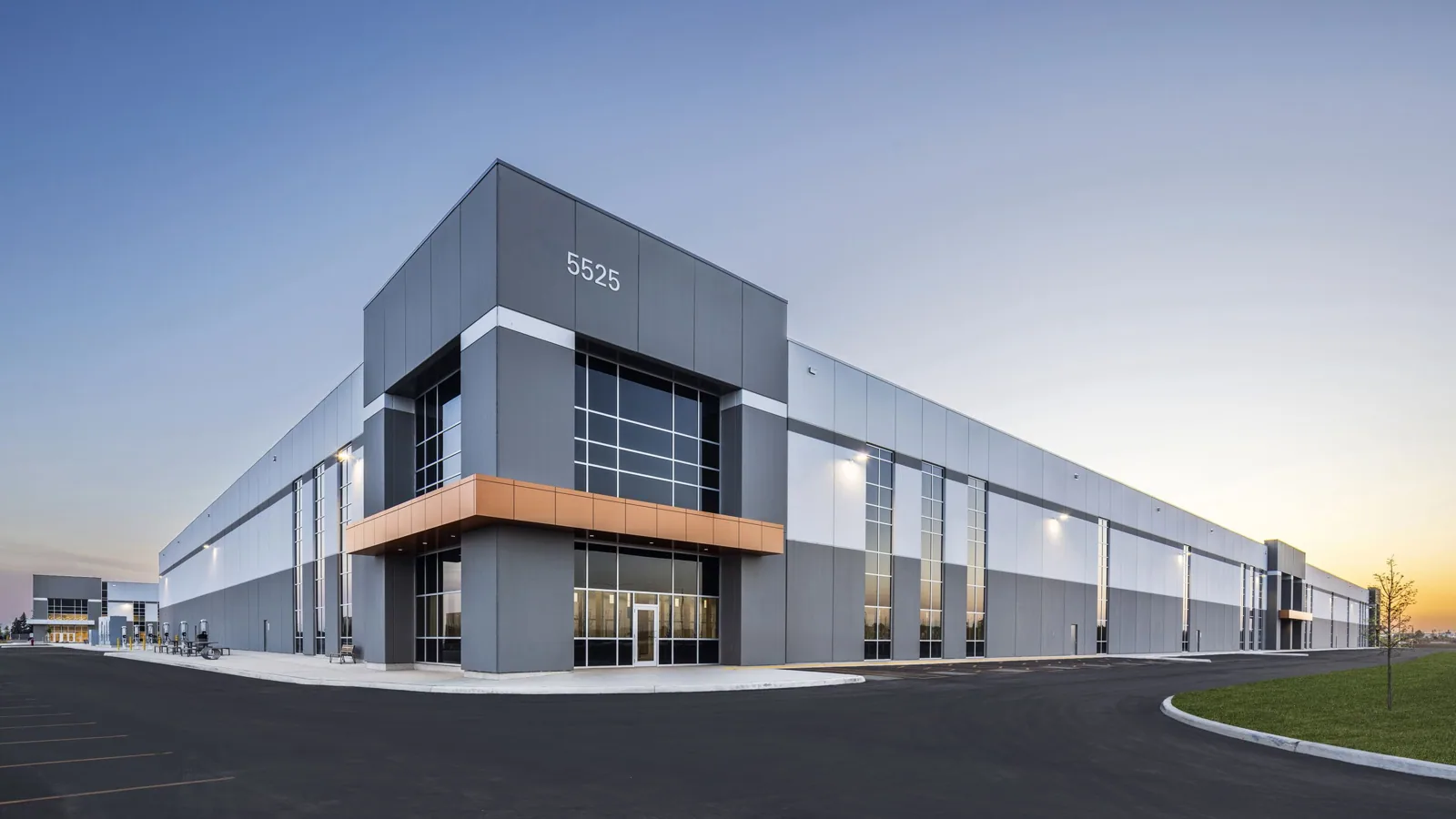
A long membrane seam beside a rooftop unit may appear intact for most of its run, then separate where equipment vibration and drainage meet. We inspect the lap, curb flashing and nearby low point together, because a patch that ignores the water path can leave the next failure in place. Cape Coral’s Pine Island Road corridor is planned for large-format retail as well as office and flex uses, and Merchants Crossing links that corridor with the US 41 commercial spine. On a big retail roof, the repair boundary must protect customers and deliveries below while keeping drains, service aisles and mechanical access usable. We handle inspection, repair and replacement for commercial retail buildings, with all-hours emergency response when a roof opening requires immediate safe attention.
Inspect Long Roof Runs by Detail and Drainage Zone
A broad roof should be divided into labeled areas instead of summarized as one field. We record membrane type, seam direction, penetrations, rooftop equipment, edge metal, drains and prior patches, then note where the assembly or elevation changes. That map helps locate an active leak and prevents a repair allowance from absorbing unrelated defects. If water appears over a sales floor, compare the room report with roof details above and adjacent to it; the interior point may be several bays away from entry.
Cape Coral's Pine Island Road planning area includes large-format retail. At each store, verify the installed roof system, materials and attachment in the field before choosing a compatible repair. If the assembly is unclear or wet insulation is suspected, infrared imaging can guide authorized sample locations, while an opening confirms only its exact point. A drone roof review can document visible surface patterns when flight conditions and site permission allow it, followed by hands-on checks where attachment or flashing must be evaluated. For roof sections with major moisture questions, infrared moisture testing can inform the next investigation step.
Keep Receiving and Public Routes Available
Loading docks, receiving doors, customer entrances, fire lanes and waste areas set the ground rules for staging. Before materials are delivered, we confirm where the truck can unload, which areas must remain clear and who can authorize a temporary route change. Lifts or cranes need a defined setup that does not block required access. Rooftop work also affects mechanical operators: identify the units serving each area and agree on protection or shutdown before covering an intake or changing a curb detail.
City employment materials list Walmart, Sam’s Club and Home Depot among major employers, while Pine Island Road serves retail and employment activity. At each store, confirm the roof assembly, access window, customer routes and operating restrictions with the property contact before staging work. For an occupied site, an enclosed retail-center plan helps frame tenant and customer coordination, while a warehouse roof scope has its own receiving and storage routes. The installation sequence should state which roof area closes each day and how falling debris, noise and work at entrances are controlled.
Protect Drains Before Water Reaches the Sales Floor
Long drainage paths can collect debris at strainers, behind equipment curbs or near parapets. Check each low point and overflow, then verify that water can reach an outlet without crossing open seams or temporary materials. Standing water may reflect a blocked drain, settled insulation or slope concerns; clearing debris does not repair a depressed assembly. Record the location and depth observed, where practical, and compare it with prior maintenance notes after the next rain.
Cape Coral receives substantial annual rainfall, and summer storms can arrive during active work. Keep tear-off areas small enough to close with a secure termination, and never leave an open edge dependent on a forecast alone. If drains need correction, drain and scupper repairs can be coordinated with the accessible roof section. Where the roof membrane is punctured or a seam has separated, use a compatible commercial roof repair and inspect the surrounding material before widening the patch. Work at any tie-in should leave an identifiable, watertight boundary at the end of the shift.
Set a Practical Scope for Repair or Replacement
Repair remains appropriate when the failure is isolated and the adjoining membrane can accept a lasting detail. Repeated seam separation, broad wet insulation, deteriorated edges or drainage defects may require a larger plan. Recover can be evaluated only after checking the existing layers, fastening, deck, drainage and applicable code requirements. Replacement gives access to concealed layers and allows edge metal, curbs and insulation to be addressed, but it involves more material movement, noise and time around store operations. We describe those drivers instead of assigning a schedule before the site limits are confirmed.
Phasing can follow structural breaks, drain basins, roof elevations or receiving zones. The project record should show each phase, temporary termination, inspection hold point and area excluded from the scope. If the plan considers commercial roof replacement, it should state what will be removed and how adjacent portions stay weather-tight. A capital plan can compare near-term repairs with larger work by condition and timing, while the completed roof should retain access to equipment, drains and future service points.
Tie Closeout to the Retail Operating Record
Closeout should include dated roof photographs, marked work areas, material information, concealed conditions and any outstanding item requiring a second visit. Include the actual work dates and weather holds so the property record distinguishes completed repairs from temporary protection. If the building has several work zones or business operators, identify the contact responsible for confirming each area is released and ready for normal access.
The Pine Island Road corridor and Merchants Crossing are useful local reference points for retail staging, while Del Prado Boulevard carries separate commercial uses. Tie each staging plan to the store's loading route, customer entrance and roof access. Provide the address, roof drawings, prior repair notes, leak locations and delivery restrictions. We will inspect the assembly, show where repair can stop or continue, and leave a record that facility staff can use for later maintenance.
Commercial Roofing Questions
How would you trace a water mark across a large retail floor?
We compare the reported room and timing with the roof plan, seams, penetrations, curbs, drains and prior repairs. Water can travel across the deck or insulation before appearing inside. The inspection records the likely entry area and notes where testing is needed instead of treating the ceiling location as the roof defect.
Can deliveries continue during a big-box roof replacement?
Often they can, if the delivery route, lift setup, staging area and debris path are approved and protected. We phase work by roof area and confirm which doors or docks remain available. Any temporary restriction belongs in the schedule, with a named contact responsible for clearing the route before crews start.
Does the size of the roof mean replacement is the only option?
No. A large roof may still have isolated defects if the surrounding assembly is sound. We inspect representative areas, drainage and repair history, then separate local repairs from widespread concerns. Recover or replacement should be compared only after layer count, attachment, moisture and code requirements are reviewed.
What should happen after a heavy rain or hurricane warning?
Keep staff off the roof during unsafe conditions. After access is safe, inspect the perimeter, drains, rooftop equipment and open repair boundaries, and document visible changes. A regional storm does not establish damage at a specific store; the report should identify the roof areas examined and any limits.
Send the store or property address, roof plan, leak history and delivery restrictions. We will map the assembly, document the repair boundary and prepare a scope around the access conditions confirmed on site. Call 555-555-5555 or request a roof assessment for Big-Box Retail Roofing in Cape Coral, FL.