
Inspect Versico TPO, EPDM and PVC commercial roofs in Cape Coral by membrane, attachment, seams and drainage before repair or replacement.
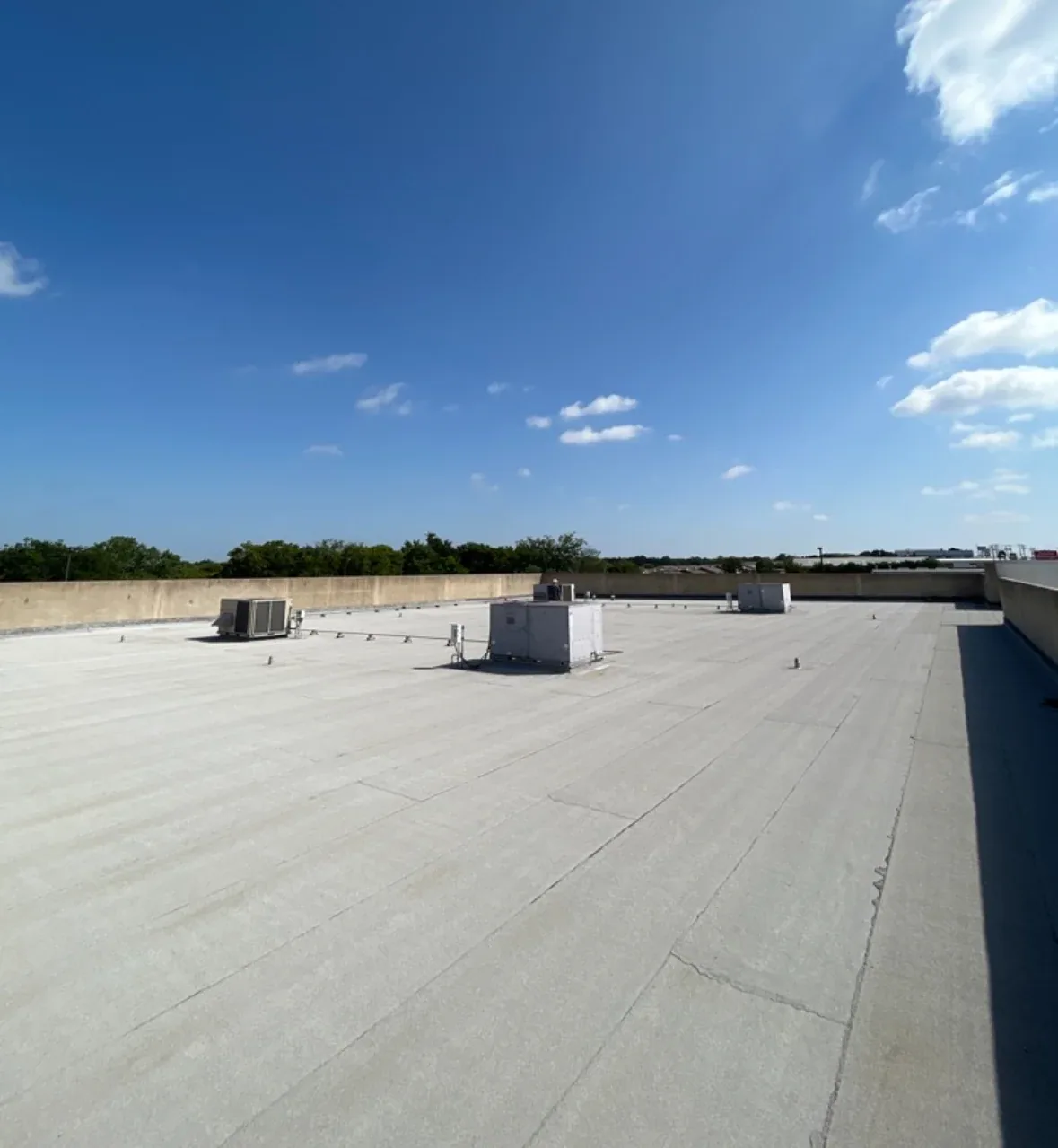
A Versico membrane needs to be identified by both product and attachment before a repair is chosen. VersiWeld TPO, VersiGard EPDM and VersiFlex PVC have different seam and flashing methods, even when the roof plan groups them under one manufacturer. Cape Coral’s hot, humid weather and frequent summer rain make field seams, penetrations and drainage useful places to start. We document the installed assembly, then set a repair boundary that follows the material and substrate.
Identify VersiWeld, VersiGard or VersiFlex
Versico’s commercial single-ply line includes VersiWeld TPO, VersiGard EPDM and VersiFlex PVC. Confirm the name from product markings or submittals, then check the roof’s seam, reinforcement, attachment, insulation and flashing. A heat-welded TPO or PVC lap calls for different preparation from an EPDM splice. If the system was recovered or coated, record the newer layers and verify compatibility before specifying a repair.
At the perimeter, inspect fastener rows, metal terminations and membrane movement. Around equipment, look for loose flashing, surface abrasion, open seams or sealant that no longer bridges the connection. At drains and scuppers, check the membrane termination and outlet bowl. Photograph each condition by roof section and compare it with prior service records before opening the assembly.
A commercial roof inspection can map Versico membrane and attachment details. For a confirmed TPO roof, TPO system repair follows the weld and flashing requirements; for other systems, the membrane type determines how each seam is prepared.
Inspect the Lap and Its Adjacent Layer
Trace a split seam along its full length and check both edges for contamination, wrinkles, tension or a prior patch. A gap at one corner can extend farther beneath a cover strip than it appears at first glance. Probe the seam where appropriate and inspect the nearby flashing, curb and drain. If water is reported indoors, compare the location with the roof slope because it can travel through insulation before appearing below.
Use compatible repair components and prepare the substrate as required for the membrane. Heat weld a thermoplastic lap only after confirming the material, surface and field conditions; EPDM splice work requires its own adhesive or tape detail. When a test opening is needed, mark it on the roof plan and photograph insulation and deck before closing. Wet layers or damaged cover board need a measured removal limit.
When a lap has opened, seam failure repair addresses the weld or splice. A cut from equipment service or foot traffic may need puncture repair rather than a seam treatment. A defined commercial roof repair should identify preparation, patch limits and final checks.
Account for Sun, Water and Roof Traffic
Heat and repeated access can wear the membrane near service routes, rooftop units and drains. Check walk pads, support feet and places where technicians turn or set tools. Confirm whether the material is scuffed, cut or brittle before covering it with new membrane. The repair should also identify how the route will be protected after the patch so the same location is not damaged again.
At nearby Page Field, normal highs reach 91 to 92 degrees during summer, and the station records about 57 inches of rain annually for the Cape Coral climate reference. After a downpour, inspect the flow path and note any ponding near seams or equipment curbs. Clear an obstructed drain and recheck the roof. If water remains with the outlet open, evaluate the low point and insulation slope rather than attributing the problem to membrane choice.
After a major storm, check edge attachment, perimeter metal, seams, drains and rooftop equipment when access is safe. Keep the storm inspection separate from older maintenance findings, and document any new movement or impact at the roof. Versico records should connect the approved system configuration to field preparation, attachment, seam inspection and the completed detail photographs.
Decide Whether Repair Still Fits
A localized seam, puncture or flashing defect may be repaired when the nearby Versico membrane and substrate are stable. If open seams repeat across several zones, moisture reaches a broad area or attachment has loosened, test the larger assembly before planning another patch. The inspection report should distinguish confirmed conditions from suspected areas, and identify the next test where it could change the repair decision.
Recover is considered only after checking the current roof layers, attachment, moisture and applicable requirements. Replacement may make sense when many details need rebuilding or the membrane has widespread deterioration. Include insulation, cover board, perimeter metal, drains and equipment transitions in the scope. Replacement planning should state work zones and dry-in points rather than only naming a membrane.
For a related GAF roof system or Carlisle SynTec assembly, compare each manufacturer's specified materials and details with the existing roof. Manufacturer names can guide product records, but the field survey sets the actual repair method.
Schedule Repairs Around the Site
Cape Coral’s Pine Island Road corridor supports retail, office, flex and light-industrial development. At a property in the corridor, verify the roof entrance, delivery route, tenant schedule and equipment access before arranging the repair. City Centrum is another central investment area with its own parking and access conditions. The city setting gives useful orientation; each building still needs a site-specific staging plan.
For a Versico roof, have the submittal, prior repair notes, equipment work orders and roof plan ready. Confirm whether the selected repair method needs a dry surface, adhesive cure time or a particular heat-welding window. Keep materials protected and secure each open section before leaving the roof, especially when warm-season rain is forecast.
After work, record membrane identification, attachment, seam checks, patch photos and remaining concerns in the facility file. Share the address, roof records and reported condition; we will inspect the assembly and document repair or replacement needs for the building team.
Commercial Roofing Questions
How do I identify which Versico membrane is on my roof?
Start with product labels and closeout records, then check seam construction, reinforcement, attachment and flashing in the field. VersiWeld TPO, VersiGard EPDM and VersiFlex PVC use different repair details. We document the installed system before selecting materials.
Can a VersiWeld TPO seam be repaired with EPDM tape?
The repair must match the installed membrane and seam design. We identify the sheet, clean and prepare the surface, then use the appropriate thermoplastic or EPDM method. If two materials meet at a transition, the connection needs a compatible detail rather than a generic patch.
What should be checked around rooftop foot traffic?
Inspect walkway pads, equipment routes, seams, fasteners and the membrane at turning points. Look for abrasion, punctures and displacement, then check whether the substrate is wet. We document the traffic area and include protection in the repair plan where the system permits.
When should a Versico roof be considered for replacement?
Repeated seam openings, widespread moisture, loose attachment or failures across multiple roof zones can support a broader assessment. We map conditions and compare repairs with recover or replacement after reviewing the current assembly. Drainage and equipment details belong in the scope too.
Send the roof plan, Versico submittals, prior repairs and leak locations. We will identify the installed membrane, inspect the seam and drainage conditions, and define repair or renewal work by roof section. Call 555-555-5555 or request a roof assessment for Versico Commercial Roofing in Cape Coral, FL.