
Plan Carlisle SynTec roof repairs and replacement in Cape Coral around membrane type, attachment, seams, insulation and drainage conditions.
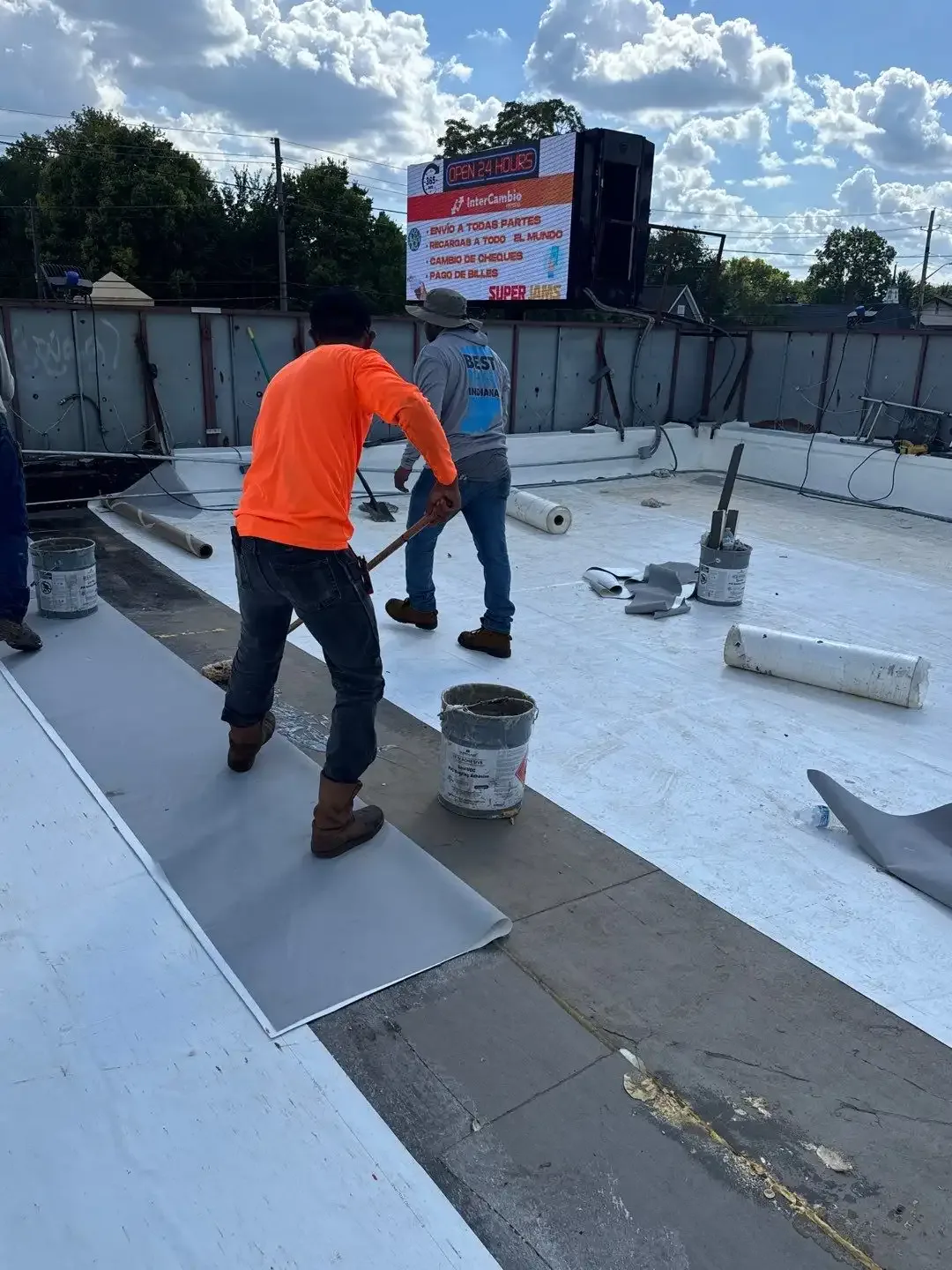
A Carlisle roof assembly may use TPO, EPDM or PVC, and the membrane name alone does not identify how its seams and edges were built. We inspect the installed system, attachment, insulation and transition details before deciding whether a local repair or broader work fits. At Fort Myers Page Field, average highs from June through September run about 91 to 92 degrees, and the annual precipitation normal is close to 57 inches. Those conditions make drainage and material readiness important together. The field condition determines the repair boundary.
Identify Which Carlisle Membrane Is Installed
Carlisle SynTec’s commercial portfolio includes Sure-Weld TPO, Sure-Seal EPDM, Sure-Flex PVC and FleeceBACK membranes, with insulation, adhesives and accessories supporting different assemblies. Start with labels, project documents and the roof plan. Then verify the surface and seam construction in the field. An EPDM splice, a heat-welded TPO seam and a PVC flashing detail require different preparation and compatible materials.
Check attachment as well as membrane: mechanical fasteners, adhesive, induction-welded plates or another approved assembly may be present. Note cover board, insulation layers, vapor-control components and metal terminations. If the records do not agree with the roof, document the visible system and investigate before specifying materials. A product family name is useful, but it cannot replace an inspection of the exact roof layers.
For a confirmed Carlisle TPO system, TPO seam repair follows the heat-welded membrane detail. A commercial roof inspection records membrane, attachment and adjoining transitions, while a scoped roof repair can keep work to the confirmed defect and its sound tie-in.
Inspect the Seam and Flashing Together
A seam that has separated near a curb or drain needs a close check on both sides of the opening. Clear the surface, examine the full lap and determine whether the underlying sheet is clean, dry and secure. Inspect flashing corners, metal transitions and fasteners that can transfer movement to the membrane. If the detail has been patched before, compare the material and edge condition with the original roof system.
Use a repair method that matches the membrane. Thermoplastic seams are heat-welded, while EPDM details commonly use compatible adhesive, tape or flashing accessories. Carlisle’s product families include system-specific accessories, but their presence does not make products interchangeable across materials. Prepare sound membrane and substrate, complete the tie-in and inspect the finished edge. If moisture reaches cover board or insulation, identify the extent before closing the roof.
For a separate open lap, seam failure repair can document the defect and limit. A drain that is restricting flow needs drain and scupper service as its own work item. Keeping each finding distinct helps facilities staff see what was repaired and what still needs attention.
Check Moisture and Drainage Before Recover
Standing water can expose seams and flashing longer, but the presence of a pool does not reveal whether the outlet, slope or deck is responsible. Map the low point, bowl, overflow and discharge path. Clear an obstruction when authorized, then recheck whether water moves toward the drain. If ponding remains, inspect the roof plane and underlying tapered insulation rather than adding a membrane patch at the water line.
When testing shows wet insulation, mark the opening, photograph each layer and measure the affected boundary before removal. A recover may be possible only when the existing assembly, attachment and moisture condition permit another system. Do not trap wet materials under new Carlisle membrane. If the deck or insulation needs correction, include that work and its tie-ins in the scope.
Ian struck Lee County at Category 4 strength in 2022 and produced severe surge on the Gulf coast, in canals and across low-lying areas. After severe weather, compare this building’s roof findings with its system and repair records. After major weather, inspect roof edges, membrane laps, drains and rooftop equipment once access is safe. Along the Pine Island Road corridor, the city’s planned mix includes office, flex and industrial uses; facility access and roof layout still determine how an inspection or repair is staged.
Compare Repair With a New Carlisle Assembly
A local repair can work when the adjacent membrane is sound, the attachment holds and the defect is isolated. Repeated seam failure, wet insulation across roof zones or loose perimeter details can justify a broader assessment. We map the findings and identify where Carlisle-compatible repairs can retain serviceable areas and where removal is necessary. A replacement scope should list deck work, insulation, membrane attachment, flashing, drains and edge metal.
Choosing among TPO, EPDM or PVC means reviewing substrate, building use, exposure, penetrations and construction sequence. Carlisle’s system options cover different conditions; the proposal should show the assembly components and installation method being considered. Replacement planning includes work zones, temporary dry-in and system tie-ins rather than just a membrane selection. For a related GAF commercial system or Johns Manville roof, compare the actual assembly and current condition instead of assuming brands share the same details.
Cape Coral’s hot and humid weather makes surface preparation and work timing part of any membrane project. Keep the roof plan, prior repairs and moisture results together so the next inspection can compare the same transitions and drainage points.
Keep Installation Records With the Roof Plan
Save the Carlisle system submittal, membrane identification, attachment details, test locations and repair photographs. Note the material used at each seam or transition and any areas not reached during the inspection. If a later equipment change disturbs flashing, record the date and assign membrane restoration before work begins. Those details help the facility team compare a new leak with earlier repairs.
After installation or repair, inspect seams, corners, edge terminations and drains. Photograph the completed work and confirm the roof path remains open. If the assembly includes a layer beneath the membrane, retain the documentation showing its condition before it was covered. A clear closeout record lets maintenance staff know which system is present and where future inspection should start.
Send the facility address, Carlisle roof records and reported condition. We will verify the installed assembly and prepare repair, maintenance or replacement work around its field details.
Commercial Roofing Questions
How do I know whether the Carlisle roof is TPO, EPDM or PVC?
Check membrane markings and installation records, then confirm them against visible seams, flashings and accessories. Color is not enough to identify a system. We document the material and attachment before selecting a repair method.
Can Carlisle EPDM and TPO use the same seam repair?
No. TPO seams are heat-welded, while EPDM uses compatible splice or flashing methods. We identify the membrane, prepare its surface and complete a system-appropriate tie-in. If the roof record conflicts with the field, verify the material before repair.
Is FleeceBACK suitable for every existing roof?
The existing assembly, substrate, attachment, moisture and project requirements determine whether a fleece-backed system is appropriate. We inspect the roof and review the proposed attachment and tie-ins before recommending a recover. Wet or unsound layers need correction first.
What should a Carlisle roof repair proposal include?
It should identify the membrane and attachment, roof-zone location, preparation, compatible repair material, affected insulation or deck and final inspection. We also list areas that could not be inspected and any testing that remains. This keeps the repair boundary clear for the facility contact.
Provide the roof plan, Carlisle product records, repair history and reported leak locations. We will identify the installed membrane and attachment, inspect adjoining details and scope the next roof work. Call 555-555-5555 or request a roof assessment for Carlisle SynTec Roofing in Cape Coral, FL.