
Manage Cape Coral hotel and hospitality roofs with consistent inspection records, guest-safe phasing, equipment access and site-specific renewal plans.
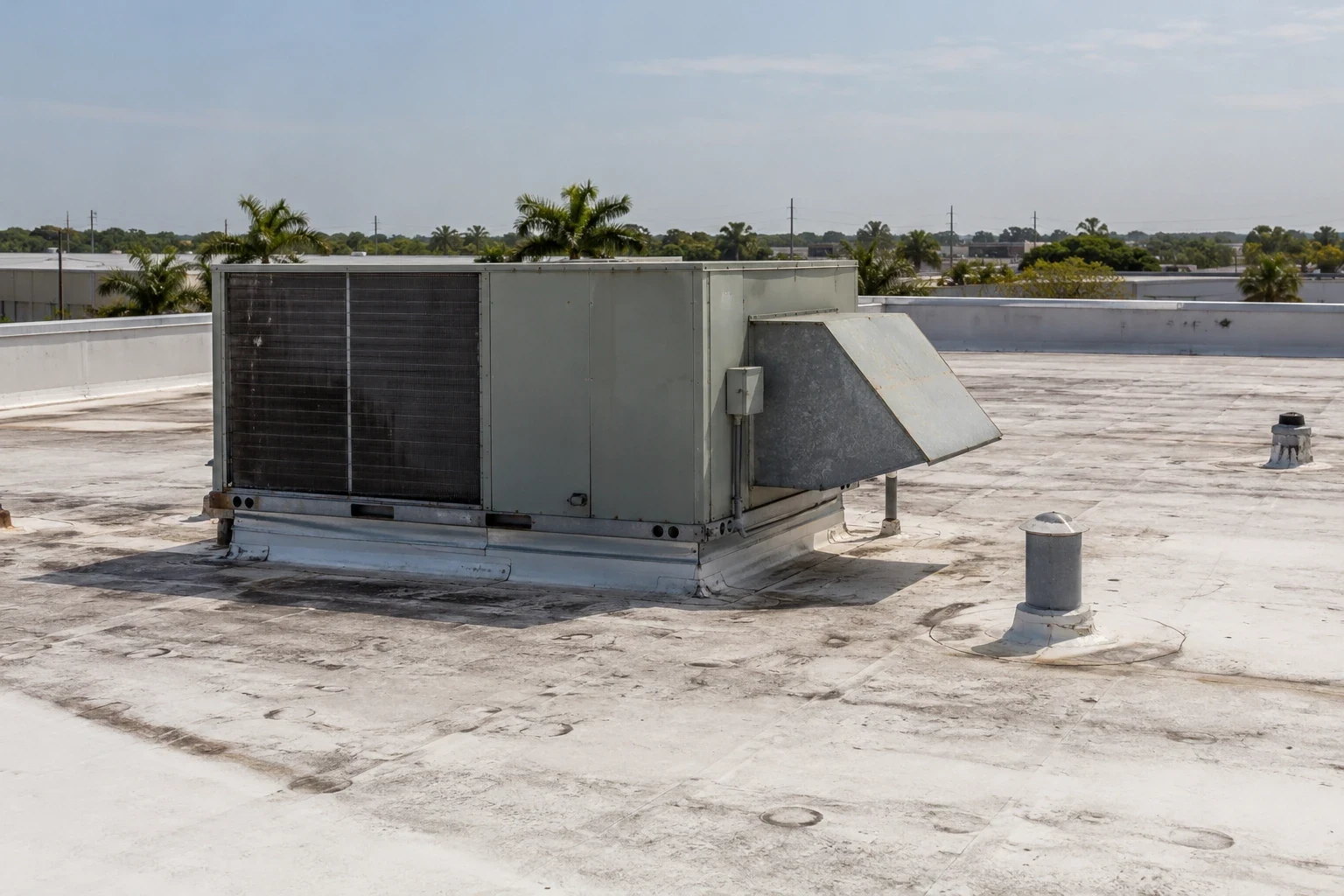
A seam that has separated beside a rooftop unit can admit rain above guest rooms while the rest of the roof still appears serviceable. We inspect the lap, curb and drainage around the detail, then mark whether repair can stop there or must include adjacent material. Hospitality groups in Cape Coral may oversee lodging, dining, waterfront retail and shared amenities with different access schedules. Tarpon Point’s marina district includes The Westin Cape Coral Resort at Marina Village with restaurants and shops nearby. Cape Harbour adds condominiums, townhomes, dining and marina uses in a separate Gulf-access setting. Those local settings guide operations planning, but the field condition at each property must be confirmed separately. We support hotel and hospitality owners with roof inspections, maintenance, repairs and renewal planning, plus emergency response at any hour when water entry requires safe control.
Set a Common Record for Different Properties
Each property should keep a roof plan, assembly notes, maintenance history, warranty documents, equipment list and current access contact. During a survey, mark elevations, drains, skylights, rooftop units, edges and prior repairs. Use a common set of fields across the group, but retain each building’s photographs and test results with its own address. A resort, limited-service hotel and mixed-use waterfront property may have different roof sections and operating needs even under one management group.
Tarpon Point Marina includes the Westin Cape Coral Resort at Marina Village alongside restaurants and waterfront shops. Cape Harbour combines lodging-area commerce with condominiums, townhomes, retail and marina uses. These facts establish mixed-use settings, not specific roof systems. A portfolio roof review can align labels and reporting cadence, while property managers can provide building access and prior work records. Keep the recommendation tied to what the inspection found at each location rather than copying a standard repair detail across the portfolio.
Coordinate Work With Guest and Amenity Use
Hotel operations depend on quiet periods, room access, dining hours, event spaces, housekeeping routes and equipment availability. Confirm which rooms or amenities sit below the roof section and who approves noise or shutdowns. Material staging, a crane setup or a blocked entrance can affect guests even when the roof work is technically isolated. The daily plan should identify the route, the work boundary, expected noise and how the area will be restored before normal use resumes.
A hospitality group may operate restaurants or retail near a lodging property. The South Cape CRA contains a dense commercial dining district, while Tarpon Point and Cape Harbour combine waterfront uses with restaurants and shops. A retail or restaurant operator may set separate receiving hours, and hotel management sets guest and room priorities. For a hotel roof, the guest-room work plan should account for access and overnight use; a shared amenity building may need a separate sequence. We divide removal into closable sections and coordinate temporary protection with the operations contact.
Inspect Each Roof for Local Exposure
Coastal exposure varies across Cape Coral. A roof near open water may have more salt-laden air than a sheltered inland building, but proximity alone does not prove corrosion. Inspect actual coping, fasteners, rooftop supports and metal transitions, and note where coating or attachment has changed. Wind-driven rain can test the edge detail and wall connection even when the central membrane field shows no clear defect.
At Fort Myers Page Field, annual rain averages roughly 57 inches, while the warm season brings average highs above 90 degrees. For roof work, rain can interrupt removal and heat can narrow the safe application window. Lee County recorded Ian’s Category 4 landfall in 2022, and portions of the Gulf coast experienced severe surge. That regional event guides readiness but does not establish damage at a particular resort or hotel. After a storm, document current roof findings by building and roof zone, including any inaccessible areas.
Connect Repairs to the Group’s Capital Calendar
A localized leak may need a compatible patch where the surrounding membrane is dry and attached. Repeated failures, broad wet insulation or deteriorated edges may justify testing or a replacement comparison. Recover depends on the existing layers, fastening, deck and drainage. Replacement can expose concealed material but adds debris movement, guest coordination and equipment scheduling. The report should show which option addresses the observed condition and which assumptions remain open.
Groups can rank projects by condition, operating risk and approved capital timing without claiming that one building’s roof needs the same renewal year as another. A roof capital schedule can distinguish immediate repair from longer-term work. Where a roof needs full renewal, replacement planning should identify phases, room or amenity impacts, equipment protection and the daily weather boundary. A maintenance visit can keep drains and visible details in view between major projects. Scope should list testing, access limits and concealed conditions that may change the work.
Keep Closeout Useful Across the Property Group
At completion, mark work areas on the roof plan and return dated photographs, materials, concealed conditions, weather holds and remaining concerns. Note any temporary measure separately from permanent repair, and identify who will inspect it. Record where drains and equipment access were preserved so maintenance can find those details later. Use the same asset identifier on estimate, work order and closeout.
Tarpon Point and Cape Harbour help orient Cape Coral’s waterfront hospitality and mixed-use properties. At any site, provide the exact address, roof drawings, leak history, operations contact and guest-access constraints. We can inspect each assembly, document confirmed conditions and prepare a repair or renewal scope that property and regional teams can track. A Tarpon Point service-area record can orient local routing, while the building’s roof plan controls the actual work area.
Commercial Roofing Questions
Can a hospitality group use one roof standard across all properties?
Common report fields and closeout requirements can help compare buildings, but system details and work boundaries must remain property-specific. We document each assembly, equipment layout, access condition and test result under the correct address. A standard should organize information, not presume every property has the same roof or repair history.
How do you limit disruption to hotel guests during reroofing?
Identify room blocks, amenity areas, quiet periods, guest routes and equipment dependencies before work begins. We phase the roof by closable sections and coordinate notice and staging with hotel operations. A crane, lift or weather hold can alter access, so confirm the contact who can approve a change.
What should a group compare when budgeting roofs at several locations?
Compare documented condition, repair limits, moisture testing, system layers, drainage, access and the work window for each property. Separate urgent entry from maintenance and renewal. A portfolio schedule can rank the work, but its recommendation should retain the local evidence and exclusions for each building.
Does a waterfront hotel automatically have salt-related roof damage?
No. Exposure varies with distance from open water and site shelter. Inspect the actual metal and fasteners for corrosion and record the affected details. A waterfront location informs what to look for; it does not establish a defect without roof-level evidence.
Provide the property list, addresses, roof plans, operating calendar, equipment schedules and access contacts. We will document each building separately and return scopes for repairs, maintenance or renewal. Call 555-555-5555 or request a roof assessment for Hospitality Groups in Cape Coral, FL.