
Compare reflective roof options for Cape Coral heat, roof condition and drainage before selecting a cool-roof system for your commercial building.
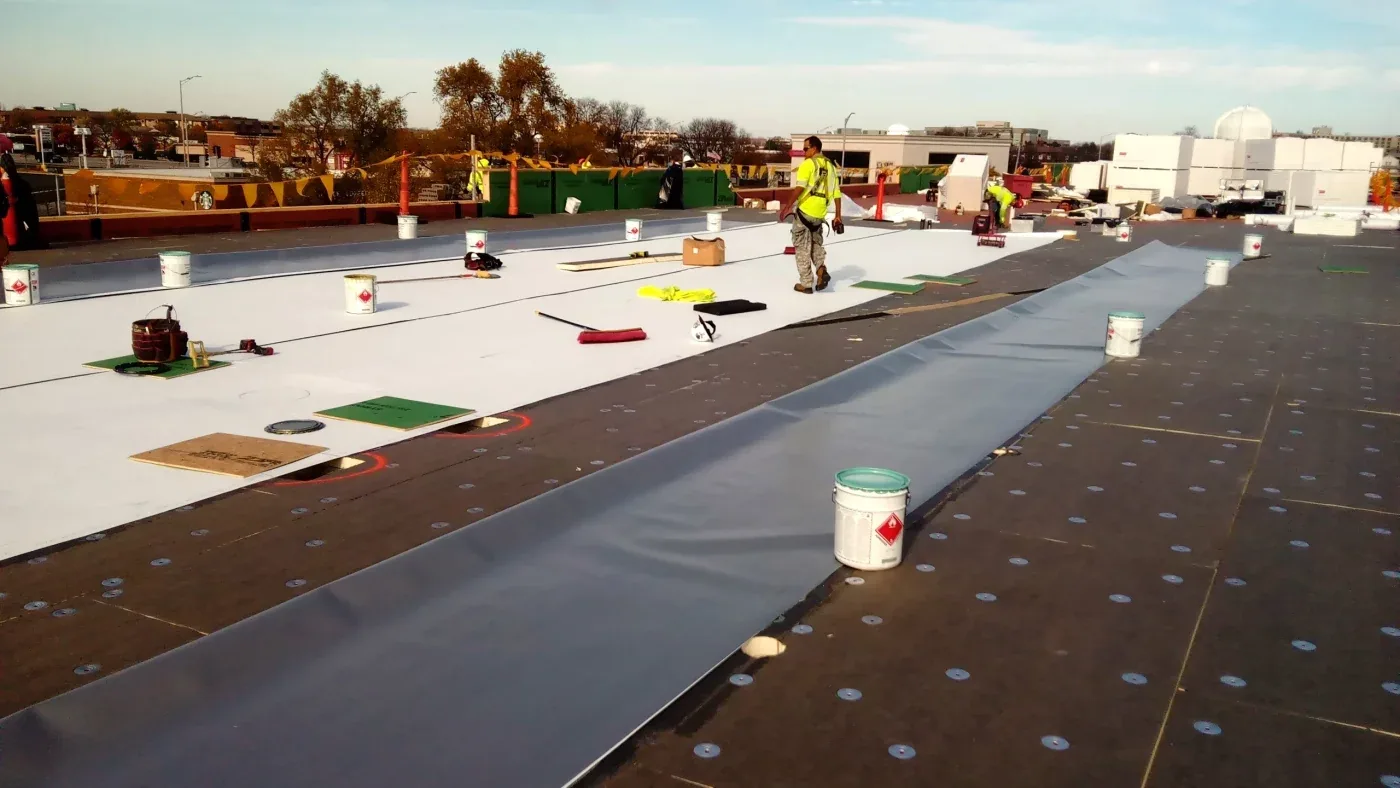
A sun-heated membrane over an occupied building can increase heat transfer through the roof assembly, but a reflective finish is only one part of the answer. We inspect the existing surface, insulation, seams and drainage before recommending a cool-roof installation. Near Pine Island Road, Cape Coral properties range from retail and office uses to flex and industrial buildings, each with its own roof and mechanical load. The inspection ties the proposal to the actual assembly, so reflectivity does not distract from wet insulation, open flashing or a weak substrate.
Read the Existing Surface Before Adding Reflectance
A reflective membrane or coating needs a stable, prepared surface. We check for loose granules, chalking, dirt, biological growth, ponding, open seams and failed repairs. Moisture beneath the roof can remain trapped if a coating is applied over a wet assembly. We mark suspect areas, test where authorized and establish which materials can stay. A roof with localized defects may need repairs and preparation first; widespread moisture or poor attachment may require a different plan.
We identify the existing roof type and how it sheds water. Single-ply membranes, modified bitumen, metal and built-up roofs do not accept the same preparation or coating. Existing coatings need compatibility checks and adhesion testing where the new system depends on a bond. A commercial roof inspection records the field and perimeter conditions, while insulation or cover-board work can be scoped where the assembly needs more than a surface treatment.
Set a Practical Thermal Objective
A reflective surface can reduce roof temperature under suitable conditions, but indoor comfort and energy use also depend on insulation, air leakage, HVAC controls, occupancy and weather. We do not assign savings without building data. Compare utility records and equipment runtime with the roof condition before choosing a target.
In Fort Myers, the 1991 to 2020 Page Field record averages 91 to 92 degree highs during June through September and approximately 57 inches of rain annually. Cape Coral roofs therefore face strong summer sun alongside heavy warm-season rain. A cooler surface does not correct poor slope, blocked drains or wet insulation. We include drainage, perimeter attachment and flashing in the installation scope so the changed roof surface still functions as a complete assembly. When a reflective coating is suitable, roof coating restoration can be compared with membrane replacement.
Choose the System for the Roof, Not the Color
Color alone does not describe reflectance, emissivity, thickness, attachment or warranty terms. We compare the proposed product data with the existing deck and roof layers, then confirm whether the work is a new membrane, a recover or a restoration coating. A coating is not a substitute for replacing saturated materials or rebuilding a failed edge. If the roof supports maintenance traffic, equipment or future access, the system needs to retain the required durability and walking surfaces after installation.
A mechanically attached TPO system, reflective coating or other roof assembly may suit different conditions. We review compatibility, required primer, reinforcement, dry-film thickness where applicable, termination details and repairs before listing materials. The work plan also identifies where dissimilar materials meet at skylights, curbs and metal edges. Product selection follows the verified roof and the applicable code path, not a generalized claim that one reflective roof works for every commercial building.
Connect the Roof Plan to Cape Coral Building Use
Pine Island Road includes retail, office, light-industrial and mixed-use planning areas. North Cape Industrial Park and Lee County Industrial Park accommodate marine fabrication and equipment firms. At each property, confirm the operating schedule, roof access and installed assembly before matching a reflective product to the facility.
In the South Cape, compact commercial and mixed-use buildings can have tight staging and tenant-access limits. A reflective installation over an occupied shop or office needs a work sequence that protects entries, keeps drains open and controls odor or noise where applicable. We confirm access with the facility contact and assign roof sections so each day ends with a secure, weather-ready condition. For a warehouse roof, long runs, service traffic and equipment spacing also affect where materials can be staged and how the finished surface will be maintained.
Protect the Assembly Through Rain and Heat
Reflective materials still need sound laps, terminations, penetrations and drainage. We confirm that drains and scuppers are open before work, check low points after surface preparation and keep rainwater away from uncured coating or incomplete seams. Cape Coral’s warm, humid summer conditions can affect cure windows and crew exposure. The schedule needs verified weather windows, shaded rest and material handling appropriate to the system. If a rain cell interrupts the work, the plan identifies how the exposed area is protected and when the application can resume.
After a major storm, inspect perimeter metal and fasteners, document current roof conditions and separate wind repairs from reflective surface upgrades. Salt exposure varies by distance and shelter, so visible corrosion guides the repair. A wind-damage repair is documented separately from surface upgrades.
Compare Upfront Work With Roof Life Remaining
Cost depends on the roof area, access, cleaning and preparation, repairs, insulation, edge work and number of penetrations. Coating a prepared, sound surface has a different scope from correcting wet insulation or replacing a failed membrane. We list those items separately and state whether the proposal includes drain adjustments, curbs or perimeter metal. If test results are needed to determine the repair boundary, we describe the opening and closure process before work is authorized.
Owners can compare the immediate roof investment with the remaining serviceable assembly and planned HVAC work. If equipment replacement is imminent, coordinate curb adjustments before a new roof surface is installed. For budget review, a roof capital plan can align reflective work with repairs, equipment changes and later replacement without presenting assumed energy savings as certain. The decision record should also identify the proposed product, preparation, inspection checkpoints and maintenance needed to keep the surface performing.
Verify Coverage and Keep the Product Record
Closeout photos should show the prepared surface, repaired details, completed field and terminations, with product records tied to the roof sections covered. We note weather and application conditions that affect how the system was installed, along with exclusions or deferred repairs. For coatings, document coverage and required measurements. For membranes, retain attachment and seam details.
Send the property address, roof plan, utility history if available, leak reports, prior coating records and equipment schedule. We will inspect the current assembly, compare reflective options and explain what each scope resolves. Facilities near Pine Island Road or the South Cape can use that record to plan around building access and operations. If the roof needs more than a reflective surface, we will identify repairs or replacement items before an installation schedule is set.
Commercial Roofing Questions
Will a reflective roof lower our cooling bill?
It may reduce solar heat entering through the roof under suitable conditions, but building savings depend on insulation, HVAC equipment, controls, air leakage, occupancy and weather. We can review utility and equipment information, but do not assign savings without a building-specific analysis.
Can a reflective coating go over our existing roof?
The substrate must be stable, dry enough for the system, compatible with the product and suitable for preparation. We inspect seams, ponding, wet insulation and prior coatings, then identify tests or repairs needed before coating is considered.
Does a cool roof fix ponding water?
Reflectance does not change slope or drainage. We check drains, scuppers and low points separately, and include corrections where the field findings support them. Water that remains after rain can shorten the life of a new surface if the drainage issue is ignored.
How does Cape Coral weather affect installation timing?
Summer heat, humidity and rain influence surface preparation, worker conditions and application windows. We check current site and forecast conditions, protect unfinished sections and state when work must pause to preserve the system details.
What should we compare besides roof color?
Review existing assembly condition, insulation, reflectance data, drainage, attachment, perimeter details, maintenance traffic, product requirements and roof life remaining. A reflective color without those details does not define a durable roof scope.
Send the roof plan, energy or equipment concerns and any recent repair notes. We will check the existing assembly before comparing reflective-system options. Call 555-555-5555 or request a roof assessment for Cool Roof Installation in Cape Coral, FL.