Protect Cape Coral grocery operations with roof inspections and repairs coordinated around refrigeration, receiving, drainage and occupied sales areas.
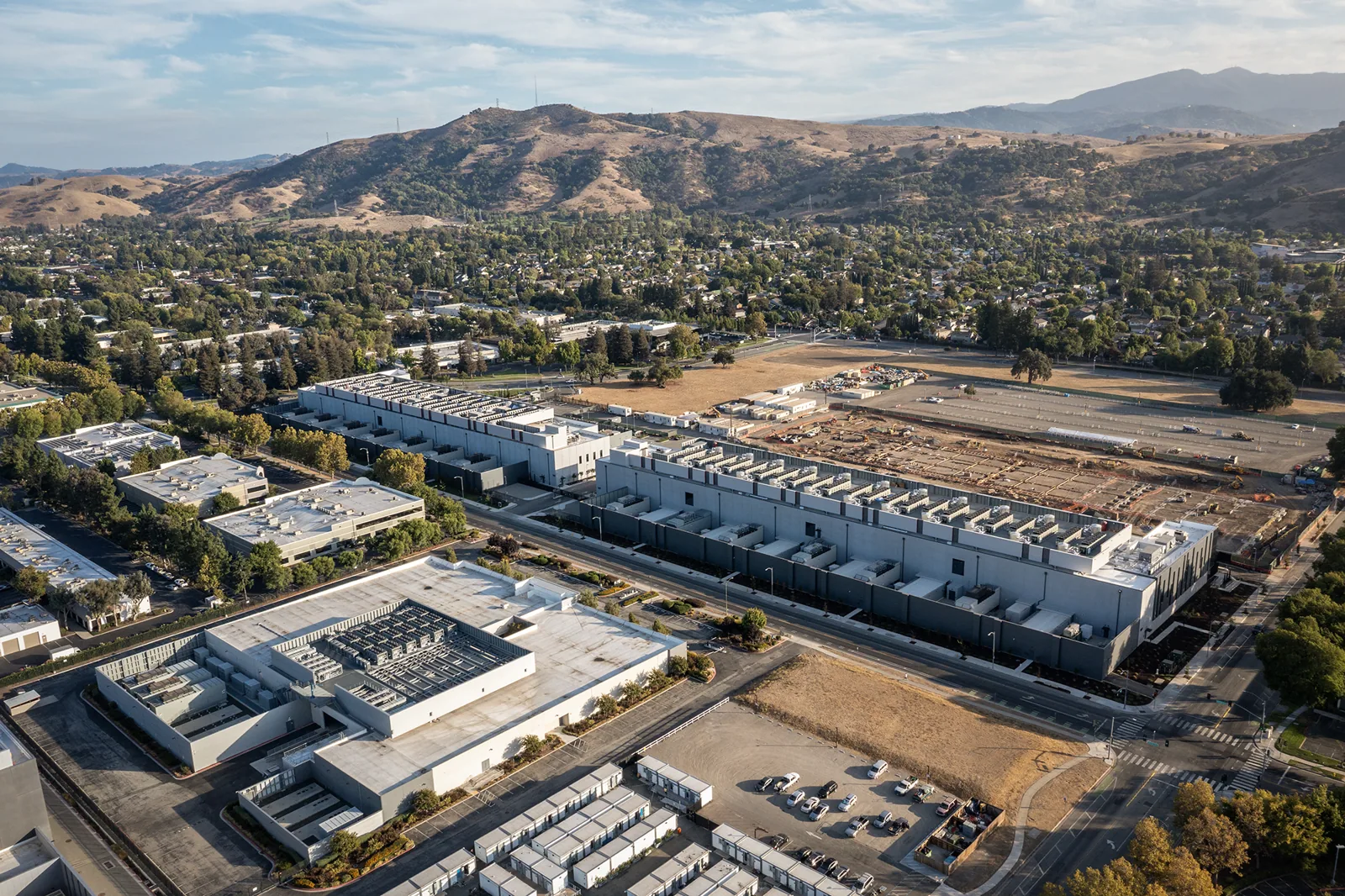
A damp roof curb over a refrigerated case can create two problems at once: water entry and an interruption risk for equipment that must stay stable. We inspect the curb flashing, membrane laps and nearby drain path, then determine whether the repair can stop at the equipment detail or needs to include wet insulation beyond it. Grocery stores in Cape Coral operate through heat, humidity and recurring warm-season rain, so a roof opening should be closed with the substrate condition known. The city lists Publix among its largest employers, and commercial activity spans Pine Island Road and South Cape. Each store still needs a site-specific plan for receiving, customer access and mechanical work. Emergency roofing response is available at any hour when active water entry needs safe containment.
Keep Refrigeration and Air Systems in the Work Plan
Grocery roofs commonly carry multiple mechanical units, refrigerant lines, exhausts and electrical supports. A curb repair must close the membrane to the metal without blocking service clearances or leaving a fastener exposed. Before material is removed, confirm which equipment can remain in service, who controls shutdowns and where technicians need access. We record the location of each affected unit and coordinate the roofing boundary with the store contact, rather than treating every curb as the same detail.
When water appears near a cooler or sales area, trace roof conditions above and around the room instead of assigning the leak to the nearest unit. Condensate, penetrations, adjacent seams and wall transitions can all affect the drainage path. If concealed moisture is suspected, infrared imagery may help choose a test location, but sampling requires approval and a plan for restoring the opening. A curb and equipment-support repair can address the roof interface, while leak investigation documents the likely entry and the area that remains uncertain.
Protect Receiving, Sales and Food-Service Areas
Receiving doors, stockrooms, customer entrances and refuse areas create different restrictions below a roof. We confirm delivery hours and required routes with the manager before staging materials or removing debris. If work sits above food preparation or storage, the facility contact identifies any interior protection or access requirements, and roofing crews keep material and debris away from air intakes and open service areas. A planned shutdown belongs to the store’s authorized operating staff; it should not be inferred from a roofer’s schedule.
Cape Coral’s commercial land-use context includes large-format retail along Pine Island Road, and the city’s employment list includes Publix. These facts establish a local business setting, not the equipment or roof condition of a particular location. A grocery property next to other tenants can use methods similar to shopping-center roof phasing, while a standalone larger store may share access issues with big-box retail roofing. We divide work into sections that can be secured at the end of a shift and mark which doors, aisles or delivery zones are affected.
Check the Low Points Before Adding Another Layer
Debris at a drain, crushed insulation or a settled roof area can hold water near a curb and keep seams wet after rainfall. We inspect the bowl, strainer, overflow, adjoining membrane and slope, then record where water remains. A drain cleaning can restore an obstructed outlet, but it cannot correct a depression in the assembly. If water repeats in the same area, the repair plan should evaluate the slope and insulation before another layer conceals the condition.
Fort Myers Page Field normals show about 57 inches of annual precipitation near Cape Coral, with summer highs around 91 to 92 degrees. Roof work has to account for rainfall interruption and heat at the surface, without treating a climate normal as a day-specific forecast. We keep the exposed area manageable, verify the substrate before closing it and protect a completed tie-in. For an outlet or overflow defect, drain and scupper service can be coordinated with nearby membrane repair. If the material is sound but a seam has opened, a localized repair may be appropriate after checking adjoining details.
Compare a Targeted Repair With a Roof Renewal
A repair can be bounded around a curb, seam or puncture if the surrounding membrane remains compatible, attached and dry. Multiple failures, widespread moisture or failing edge metal may change the recommendation. Recover should be considered only after the layer count, attachment, deck condition, drainage and applicable requirements are confirmed. Replacement exposes more of the assembly for review and may resolve insulation and transition issues, but it introduces larger staging and operating constraints. We identify what drives material, access and sequencing so the store can compare alternatives against the actual findings.
A coating is not a shortcut around wet insulation, poor drainage or a failing curb. Where a coating is considered, test adhesion and confirm that the existing surface can receive it. The Florida Building Code 8th Edition (2023) is the statewide code edition identified for Cape Coral; project-specific requirements still need review. Roof replacement planning should show which zones are removed, how refrigeration equipment stays protected and where each day's work will close. A capital plan by roof section can separate urgent repair from future renewal, with testing listed where its result would change the scope.
Leave Store Staff With Clear Roof Labels
At closeout, mark each completed curb, seam, drain and edge on a roof plan. Include dated photographs, materials installed, exposed conditions and unresolved items so later maintenance can compare the same locations. Identify drains that need recurring debris checks and any equipment clearance that changed during work. If a temporary detail remains, state who checks it and when permanent work is expected to be reviewed.
South Cape contains active commercial and dining uses, while the Pine Island Road corridor serves a different retail market. A local label helps orient the facilities record, but only the building inspection establishes the roof condition. Send the store address, equipment layout, leak reports and operating contact. We can inspect the roof assembly, protect service access and describe a repair or replacement boundary that the store team can track through its next maintenance cycle.
Commercial Roofing Questions
How do roof repairs affect refrigeration equipment?
The roofing detail around a curb or line support has to close without blocking the mechanical technician’s service route. We confirm whether units remain operating, who can authorize a shutdown and what protection is required. If a roof leak is near refrigeration equipment, inspect the roof interface and the equipment drain separately before deciding which trade owns the correction.
Can a grocery store stay open during roof work?
Often, if staging, receiving, customer routes, noise and debris movement can be controlled. We agree on affected areas with the store contact and close each exposed section before crews leave. A work window may still require a temporary route restriction or equipment shutdown, which should be approved and communicated ahead of time.
What does standing water near a rooftop unit indicate?
It may reflect a blocked drain, settled insulation, slope condition or water directed from equipment. We inspect the surrounding membrane and outlet, then document where the water collects. Clearing a strainer is useful when debris is the cause, but recurring ponding needs a broader assembly review before a coating or recover is considered.
When is replacement preferable to another curb repair?
Replacement becomes worth comparing when defects repeat, insulation is broadly wet, edges have lost attachment or a patch cannot tie into sound material. The decision also considers the existing layers, deck, drainage, equipment access and store schedule. We state the evidence and define what further testing would change the recommendation.
Provide the address, roof plan, mechanical equipment layout, reported leak areas and the store contact who coordinates deliveries and shutdowns. We will document the assembly and define the next work boundary. Call 555-555-5555 or request a roof assessment for Grocery Store Roofing in Cape Coral, FL.