
Plan Coast Guard facility roofing near Cape Coral with controlled access, weather closure, drainage checks and phased work around station operations.
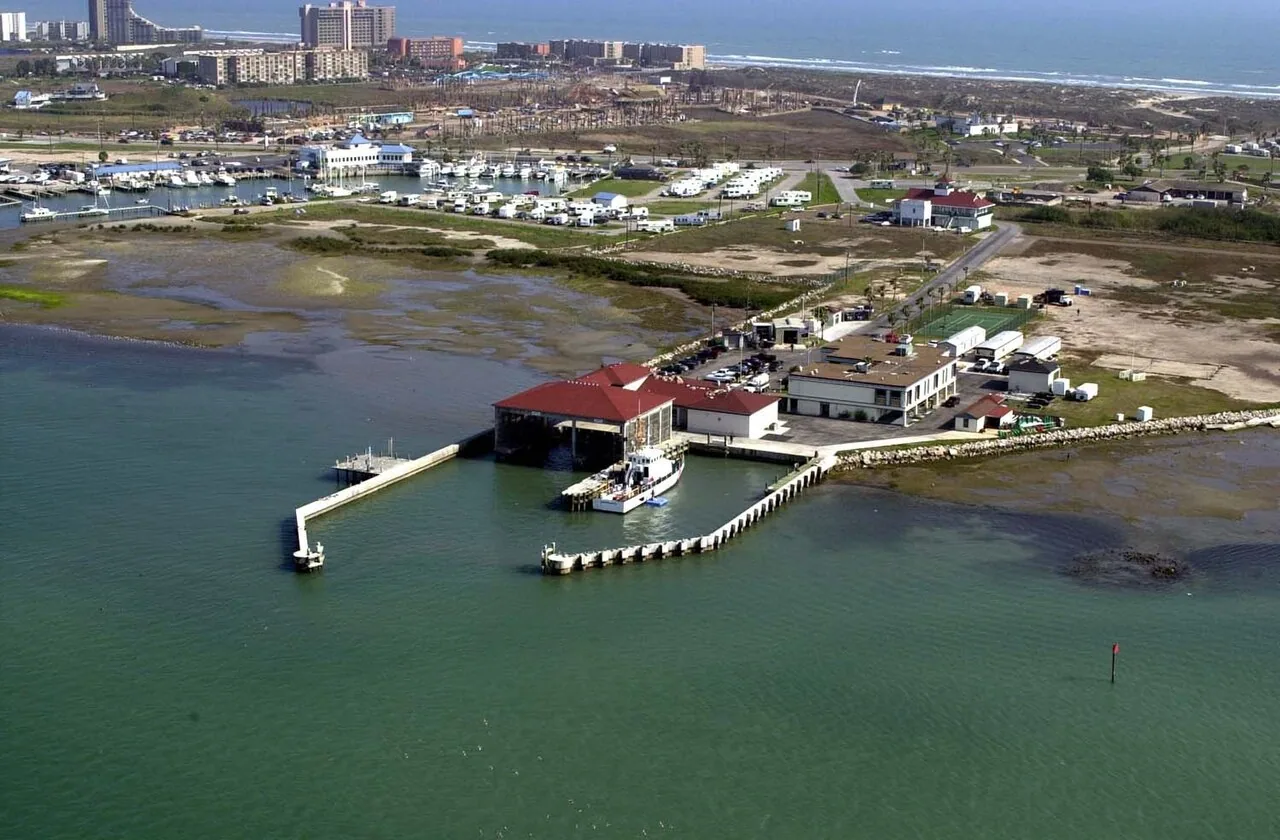
A split membrane lap above an occupied station room calls for a repair boundary that protects the space and preserves the next day's operations. We check the lap, nearby penetrations, drains and perimeter transition, then record what is confirmed before work begins. Coast Guard Station Fort Myers Beach opened a new three-story facility in 2024 used by station and Coast Guard Cutter Crocodile crews. Roof work at an operating station must be coordinated with the authorized contact, access controls and mission schedule.
The station lies southwest of Cape Coral in the Gulf-coastal service area. Cape Coral's warm, humid conditions and seasonal rain inform temporary closure and drainage planning, while the building itself determines the roof system and repair. We verify the address, assembly and approved work zone rather than assuming a facility's roof construction from its use.
Map the Roof and Its Operational Boundaries
Begin with the current roof plan, maintenance history, access restrictions and the facility contact. Mark membrane or metal zones, roof edges, equipment, penetrations, drains and transitions between materials. Record each finding with a photo that includes its location. Interior water reports should include room and time, but a ceiling mark alone does not identify an opening. The survey follows the drainage path and adjoining details until the defect is confirmed or testing is specified.
A roof inspection can map accessible surfaces and set limits for areas not reached. An active opening calls for prompt protection and a leak investigation that documents the visible source, tie-in and remaining uncertainty. A condition record can separate urgent work from planned maintenance and capital questions.
Station Fort Myers Beach hosted a response-boat and helicopter training evolution during a 2024 open house with Coast Guard Air Station Clearwater. That event shows the coordination around operational activity, not an aircraft hangar at the station. For an adjacent or separate aviation facility, an aircraft hangar roof scope requires its own building and access review. The station's roof plan should remain tied to structures actually included in the contract.
Plan Entry and Work Around Station Activity
Confirm badging, escort, approved personnel, tool rules, vehicle routes, staging and daily release before a crew arrives. The authorized station contact identifies restricted spaces, emergency access, quiet windows and any work that must pause for operations. At a coastal station, material storage and temporary protection also need to stay secure against wind and sudden rain. The work schedule should state who can approve a field change and who confirms the roof is closed at shift end.
Roof replacement can be divided into sections with planned installation and closure points. Keep pathways below the active work zone clear, protect occupied areas from debris and moisture, and coordinate mechanical equipment with staff who control the building. If removal shows wet insulation or deck damage, photograph and locate the condition, secure the opening, then wait for review before expanding the approved scope.
For federal work, follow the project documents and applicable Unified Facilities Criteria (UFC). The team should identify the installation's requirements and planned inspection points before work. A military facility roofing sequence can keep access, phasing and closeout expectations in one working scope. The Cape Coral Army Reserve Center includes a training center, maintenance shop and storage building, while the Lee County VA Clinic is a high-complexity healthcare facility. Scope roof access separately for each property.
Secure Roof Details in a Gulf-Coastal Climate
Warm-season rain can reach an opened section before a long work window finishes. We limit exposed area to what the crew can install and close, check temporary seams before leaving and keep the drainage path open. A drain and scupper inspection checks outlet condition, nearby membrane and discharge route. Water at an edge or curb may reflect a failed transition as well as a blocked drain, so inspect the whole path.
Humidity also affects adhesive and flashing preparation. Confirm that the substrate meets the selected system's moisture and surface requirements before creating a new lap. At parapets and roof edges, check termination, coping, fasteners and the tie-in to vertical surfaces. Salt exposure can accelerate corrosion on exposed metal, so document the condition of edge metal and fasteners and choose a compatible repair detail for the assembly.
Station staff can retain event-period imagery with maintenance records, while repair decisions follow the facility's current seams, penetrations, edges and drain condition. Station roof records should identify the building, secured access route, inspected elevations and any follow-up needed before the next duty cycle.
Separate Immediate Protection From Long-Term Work
A localized seam opening can stay within a repair when adjoining insulation and attachment are sound. If field failures extend across roof zones or reach perimeter metal, compare renewal of the affected assembly. The replacement proposal should lay out tear-off limits, assembly details, equipment interfaces and the facility's phased closure requirements. If a recover is considered, assess existing layers, moisture, drainage and deck capacity first.
Match the repair material to the installed membrane or panel and prepare the receiving surface for its fastening or bond. At coastal edges and vertical turns, the selected system must connect cleanly across the roof-to-wall junction. Coating is appropriate only where adhesion and substrate condition support it. We separate confirmed work from testing and concealed conditions, then identify how changes are reviewed and authorized.
Timing depends on access windows, weather, product lead time and required facility review. The Fort Myers Beach and Times Square area can have distinct delivery and staging limitations from a Cape Coral commercial location. A Fort Myers Beach work area still requires building-specific access details. Confirm where materials can be secured, which entry stays open and who checks final closure.
Return a Record the Station Can Use
Closeout should include the marked roof plan, installed materials, detail photographs, repair boundaries, drain condition, daily closure record and any unresolved test or maintenance item. Identify work that was excluded or inaccessible and why. The station's facilities staff can retain the file with asset and maintenance records, then compare later inspections against a known condition.
Planned maintenance can examine membrane laps, sealants, roof edges, drains, exposed fasteners, rooftop supports and previous repairs. Note any area unavailable during the visit and schedule access with the facility contact. If future equipment or communications work introduces a penetration, update the roof plan and verify that flashing and attachment are included in that project.
Provide the station address, roof documents, access instructions and reported condition. We will inspect the approved areas, coordinate the work window and return a clear repair or capital scope.
Commercial Roofing Questions
What should be coordinated before Coast Guard roof work begins?
Confirm authorized access, escorts, work hours, routes, staging, restricted areas, roof keys and who accepts daily closure. We include these details in the sequence so the crew works only in released areas and station operations retain required access.
How do you scope roofing when a facility has a separate aviation building?
Each building needs its own confirmed address, authorized access and roof inspection. Station or cutter operations do not establish that a separate aviation building is included in the roofing scope.
How do you protect an occupied station during reroofing?
We coordinate work sections with the station contact, limit exposed area, secure temporary closure at shift end and protect routes and rooms below. Any concealed deck or insulation condition is located and submitted for direction before the approved boundary is expanded.
How does coastal weather affect roof repairs?
Rain windows affect how much roof can be opened, while humidity affects substrate preparation and adhesion. We check outlets and transitions, follow the selected system requirements and record the temporary closure for each active section.
Send the building address, roof records, work restrictions and current concern. We will define accessible inspection areas, coordinate the approved window and document the repair boundary. Call 555-555-5555 or request a roof assessment for Coast Guard Station Roofing in Cape Coral, FL.