
Plan military roofing in Cape Coral around base access, escorts, mission schedules, UFC criteria, secure staging and documented roof conditions.
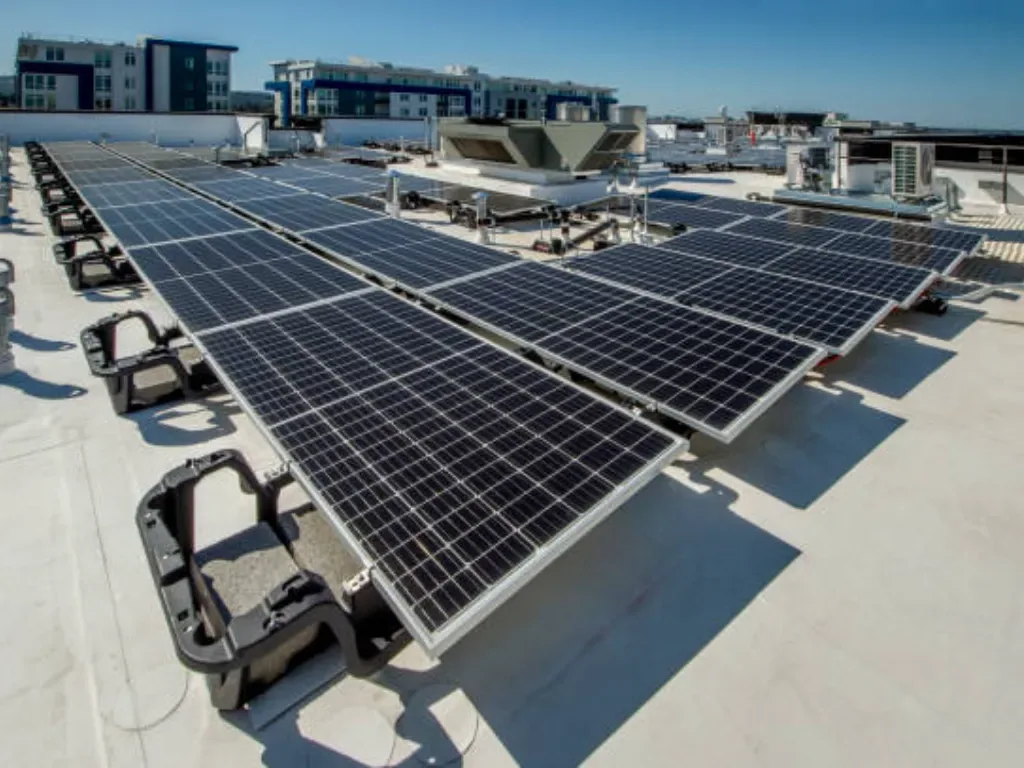
A roof repair beside a controlled entry point starts with the access plan, not a ladder on the truck. Military roofing requires the work scope, personnel, material deliveries and inspection holds to fit the installation's security rules and operating schedule. In Cape Coral, the Army Reserve Center includes a training center, organizational maintenance shop and storage building. Nearby, Coast Guard Station Fort Myers Beach uses a three-story station facility for station and cutter crews. These are distinct facilities, but both show why roofing work has to follow the contract, access approval and mission calendar.
Clear Access Before Material Is Dispatched
The government or installation representative sets the process for badging, vehicle entry, escorts, tools, photography and delivery inspection. We build those requirements into the field schedule before sending crew or material. Each person and vehicle may need advance information, and an escort can affect how crews move from the gate to the work zone. The schedule should state who can approve access changes and how a delayed entry affects the workday.
Roof staging needs an approved location away from emergency routes, secure doors and equipment access. We confirm travel paths and material handling with the facility and contracting contacts. If entry is delayed, the crew follows an approved alternate task or stops work. The Army installation roof plan connects work areas to approved entry and escort procedures.
Translate UFC and Contract Requirements Into Roof Details
Roofing criteria only become usable when the drawings, specifications and field conditions agree. We review the UFC edition named by the contract, the roof system requirements, submittal register, approved details, product data, quality-control plan and inspection points. The design team and contracting officer clarify conflicts before work begins. We do not substitute a commercial standard for a project requirement or treat a generic detail as authorization to change the assembly.
On the roof, we verify the actual deck, insulation, membrane, attachment and edge conditions against approved documents. A discrepancy is recorded with a location, photograph and proposed resolution for the contracting process. Work that will be concealed needs its inspection hold cleared before covering. If scope changes are proposed, the designated government representative reviews them through the contract process before the crew proceeds. A condition inspection can map visible details and identify questions for the project designer before destructive testing or removal is scheduled.
Sequence Work Around Facility Operations
Mission schedules can restrict noisy removal, crane picks, odor-producing materials, roof access or utility interruptions. We confirm allowed work periods, sensitive areas, escorts and shutdown authority with the facility representative. An occupied training center or maintenance shop may require different separation from a medical or storage area. The plan identifies which roof sections can be opened, how the crew protects the building overnight and which operations must remain clear throughout the shift.
The Cape Coral Army Reserve Center includes training, organizational maintenance and storage spaces. Station Fort Myers Beach serves its station crew and Coast Guard Cutter Crocodile crew. Confirm roof conditions, access and work hours with the authorized contact at each facility. For healthcare operations, the Lee County VA Clinic on Diplomat Parkway East is a separate federal care facility with high-complexity services. A VA medical roof scope must likewise preserve facility operations and follow its own contract requirements.
Inspect the Existing Assembly and Hazard Controls
Before removal, we review available roof plans, prior repair records, surveys and any known material restrictions. On the surface, we inspect seams, flashings, penetrations, drains, equipment curbs, edge metal and roof access details. We mark conditions by building and section so a finding at one structure does not become an assumption about another. If test cuts or sampling are required, we obtain approval, identify each location and restore the opening under the accepted detail.
Existing coatings or concealed layers may require a hazard review before disturbance. We coordinate submittals, worker orientation, fall protection, hot-work controls and waste handling with the installation team. A photo-based condition record can support the contracting file, while a replacement scope separates defined quantities from conditions that cannot be confirmed until removal.
Protect the Roof Through Cape Coral Heat and Rain
Fort Myers Page Field records summer highs above 90 degrees and substantial annual precipitation for the Cape Coral area. Heat, humidity and rain affect crew exposure, substrate dryness and application windows. We check conditions against product requirements and secure the active area if weather interrupts removal.
We document present conditions, check drains and perimeter details, and report storm-related observations separately from pre-existing issues where evidence allows. Cape Coral's coastal setting also means salt exposure varies with location and shelter; we inspect corrosion at actual metal edges, fasteners and supports rather than assigning one exposure rating to the full project. If a storm opens the roof outside the planned contract sequence, report the location through the authorized facility contact and arrange a safe inspection.
Record Inspections, Changes and Turnover
Government roofing work depends on a record that matches the installed roof. We track submittals, approved substitutions, material lots, daily work areas, quality checks, concealed-work inspections, photographs, weather holds and change direction. The site plan identifies completed and remaining sections. If an inspector rejects a detail, document the location, correction and reinspection before closing the item. That process makes progress visible to the facility and contracting staff without relying on a verbal handoff.
Closeout includes product data, warranties required by the contract, roof plans marked with field changes, inspection records and any maintenance restrictions. We identify access points, drainage details and areas excluded from the contract. For work near North Cape Industrial Park, regional staging and travel still remain subject to the installation's approved process. If a temporary opening develops outside scheduled work, emergency roof response is available around the clock, including weekends and holidays, subject to safe access and contracting authorization.
Prepare the Bid Walk and Work Package
Provide the solicitation or task order, roof plans, site access instructions, security and escort rules, work-hour limits, known hazards, existing system records and inspection contacts. Identify the facility areas that must remain operational and any dates the mission schedule restricts. We will review the roofing details, mark questions that need government direction and build the sequence around approved access and inspection holds.
For the Cape Coral Army Reserve Center or Station Fort Myers Beach, identify the facility, roof areas and governing contract requirements in the work plan. We document inspected conditions and route open questions to the facility and contracting contacts before mobilization.
Commercial Roofing Questions
What information is needed to plan roofing on a military installation?
The solicitation or task order, roof plans, security and escort instructions, access hours, approved staging locations, known hazards and inspection contacts establish the starting point. We use them to prepare submittals, crew information, delivery plans and roof work limits before mobilization.
How do UFC criteria affect a military roof project?
The contract identifies the applicable criteria and edition. We compare those requirements with the drawings, specifications, approved products, quality plan and field assembly, then route conflicts or proposed changes through the government review process.
Can crews work while the installation is operating?
Often the project is sequenced around ongoing operations, but the facility representative sets restricted hours, zones, noise limits and shutdown approvals. We divide roof work into controlled sections and keep staging, access and daily dry-in within the approved plan.
How are concealed conditions handled during tear-off?
Newly exposed damage is photographed and measured, then protected while the designated representative reviews the change. Required inspection holds clear before the detail is covered.
Does regional storm history determine damage to a specific facility?
No. Hurricane Ian affected parts of Lee County and the Gulf coast, but a site needs its own inspection. We record visible conditions and distinguish observed damage from older defects or areas that were not accessible.
Send the contract documents, roof plans, facility address and security contact. We will map work areas, access needs, inspection holds and operating constraints before mobilization. Call 555-555-5555 or request a roof assessment for Military Installation Roofing in Cape Coral, FL.