
Plan Cape Coral dealership roof repairs and replacement around showroom access, vehicle protection, drainage, service operations and documented work zones.
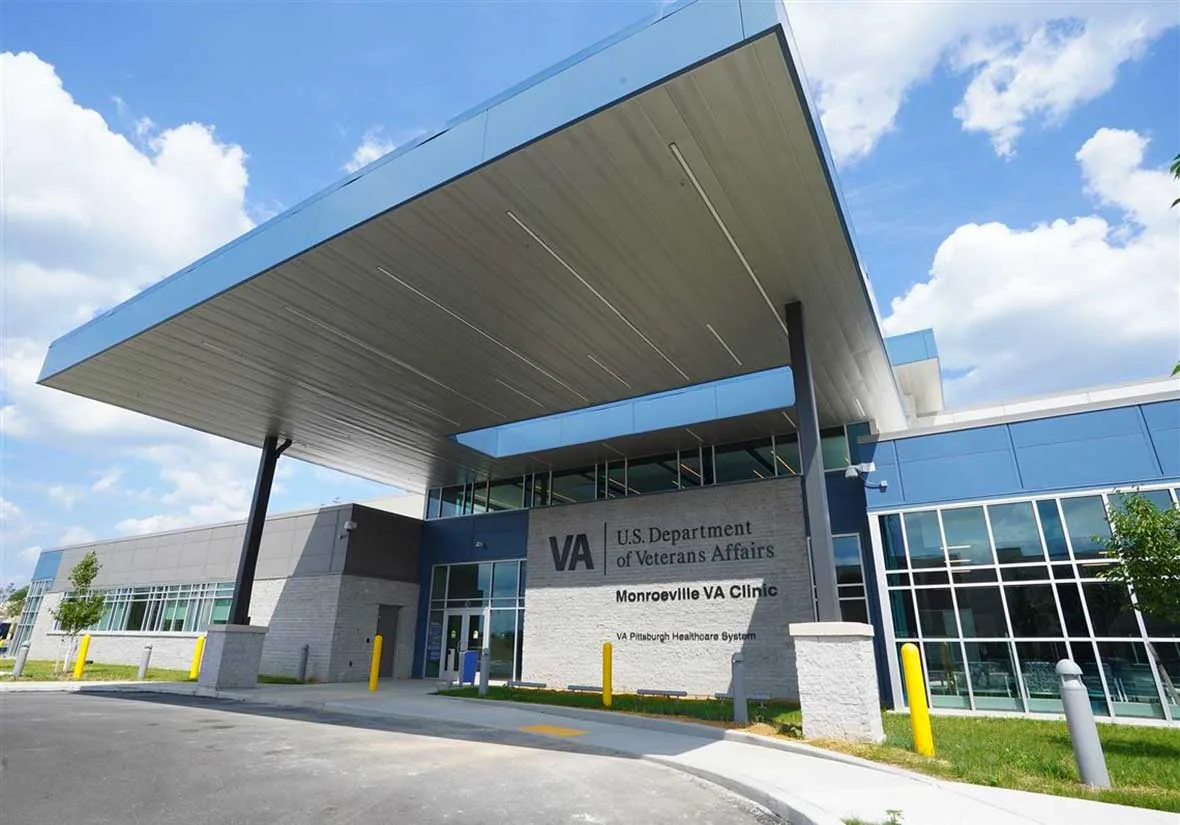
A drip line above the showroom glass can threaten displays, customer circulation and the finish below before it reaches the sales floor. We inspect the roof joint above it, trace the drainage direction, and define whether the opening sits at a seam, curb or metal transition. In Cape Coral, humid conditions and warm-season rain make a dependable end-of-shift closure part of the repair itself. The roof plan also has to keep vehicle movements and public entrances away from the work zone.
Dealerships along Pine Island Road and Del Prado Boulevard need a roof plan tied to the individual property: confirm the assembly, showroom schedule, service entrance and operations contact before setting the scope.
Inspect the Roof Above Each Operating Area
Showroom, service bay, parts storage and office areas can sit beneath different roof sections or additions. The first walk records membrane or metal type, roof transitions, penetrations, equipment supports, edge termination and each drainage path. We compare the visible roof conditions with interior reports, then mark which details have a confirmed opening and which need testing. A ceiling mark may lie downslope or away from the entry point, so we follow the field condition instead of drawing a repair circle from the interior alone.
A commercial roof inspection can provide located photographs and a condition map for the facility manager. If water is active, a leak repair visit focuses on temporary protection and the confirmed defect. For a sudden opening before a scheduled project, emergency response can secure the exposed area while permanent work is defined.
Rooftop units serving the showroom or repair shop need their curbs and service clearances inspected with the membrane. A curb and support review checks the roof connection without treating the mechanical unit itself as a roofing defect. Keep the equipment operating plan and any shutdown approval with the roof scope so the sequence is coordinated with service operations.
Protect Vehicles, Customers and Service Flow
Before lift placement or tear-off, identify customer parking, vehicle delivery paths, service-bay doors, parts receiving and fire access. Set a clear drop zone for removed material and keep it separate from vehicles, especially where overhead doors open close to the roof edge. If the work requires a crane or material hoist, agree on the delivery window and the approved area with the site contact. Barriers should guide customers to an open entrance without sending them through a contractor's staging area.
Occupied-building work can often be divided by roof section. We open only an area that can be protected and closed during the planned shift, check temporary tie-ins before leaving and note any area held for additional approval. If removal exposes wet insulation or a deteriorated deck, locate it in photographs and pause for a decision before enlarging the boundary. The facility manager can then consider a repair allowance or revised scope with the condition in view.
Dealership operations include outdoor vehicles that need protection from falling fasteners, dust, heat welding and runoff. Plan material storage, cutting and debris handling to keep these exposures out of the customer and inventory paths. A phased reroof plan can identify working sections, daily closure points and staff coordination. For adjoining retail uses, a shopping-center roof plan also has to account for public circulation. Use the actual lot plan and building access rules, since a showroom addition and a service wing may not share the same staging route.
Read Water Movement Before Specifying Work
Water at a low point may come from a restricted outlet, a damaged drain flange or a roof plane that no longer carries flow to the drain. We inspect drain bowls, strainers, scuppers, gutters and the membrane around each opening. A drainage assessment records whether cleaning is enough or whether the roof needs correction. New membrane cannot compensate for a loose clamp ring or a route that traps water against a curb.
Cape Coral's annual rain and hot, humid periods put pressure on temporary and finished details. Before adhesive or flashing is applied, the substrate needs the preparation required by the selected system. At roof edges, parapets and equipment curbs, the field membrane must connect to sound metal and prepared surfaces. Covering a split without correcting the adjoining transition leaves the same detail exposed to movement and water.
We document observed displacement, puncture, open seam or water path at the building and keep cause claims tied to evidence. At a dealership, plan roof work around showroom, service-bay and vehicle-delivery routes, then photograph the perimeter and penetrations by roof zone.
Compare Targeted Repair and Capital Work
A localized split or failed penetration can remain a repair when nearby membrane, insulation and attachment are sound. Repeated failures, widespread wet insulation, corrosion or a compromised deck may support comparing broader work. A replacement scope should define removal, new assembly, perimeter attachment, flashing, staging and protection of occupied areas. A recover option requires a separate review of existing layers, moisture, drainage and deck capacity before it is included.
System selection follows the existing roof, slope, equipment, edge detail and exposure. TPO, PVC, EPDM, modified bitumen and standing-seam metal have different seams and transitions; coatings also depend on compatible, dry, prepared substrate. We describe the proposed assembly, identify any design or permit question for the project team and keep concealed conditions separate from confirmed work. No system name replaces a detail-by-detail review. A large retail roof scope likewise needs defined sections, drainage and public-access staging.
Schedule depends on weather, access, material, inspection or testing needs and the hours the dealership can give up each zone. A Del Prado commercial property may have different delivery constraints from a location near Pine Island Road. Set the actual route and hours with site operations instead of assuming a corridor determines the property layout.
Return the Roof to a Maintainable State
Closeout should show each repaired roof section, product and preparation, completed tie-ins, drainage observations and any excluded area. Pair roof photographs with the matching interior report and date. This lets the facility team separate a resolved leak from an open question, tell service staff which zone was worked and retain a usable record for future maintenance.
Routine checks can cover open laps, exposed sealant, curb flashing, perimeter metal, debris and drain strainers. Record which locations were not accessible because of equipment or safety limits. If the facility adds equipment or changes rooftop service routes, update the roof plan so maintenance does not place new penetrations or foot traffic across a vulnerable seam.
Send the Cape Coral address, roof history, interior leak location and operating hours. We will inspect accessible areas, coordinate vehicle and customer routes, and return a scope with defined repair and replacement choices.
Commercial Roofing Questions
Can a dealership stay open during roof repairs?
Work can often be phased around open showroom and service areas. We coordinate customer entrances, service-bay access, delivery timing and any parking restrictions with the facility contact, then secure the opened roof section before the shift ends. The building layout determines the safest sequence.
How do you protect vehicles during roof work?
The plan identifies lift and debris zones, customer and inventory parking, overhead doors, material storage and runoff paths. We keep removed material controlled and coordinate any area that must be cleared. The dealership contact confirms which routes and vehicle groups need to remain available.
What roof details commonly need attention above a showroom?
We check seams, drains, edge metal, roof-to-wall transitions and equipment curbs, then compare them with interior reports. Glass fronts and canopy connections also need their own inspection where they meet the roof. The report distinguishes a confirmed defect from a location that needs testing.
When should a dealership compare replacement with repair?
Compare options when defects recur across sections, moisture extends beyond a localized repair or attachment and deck conditions are uncertain. We map the findings and state which testing would reduce uncertainty, then define repair and capital scopes against the same roof boundaries.
Tell us the service-bay schedule, vehicle circulation limits and any interior leak locations. We will inspect the roof and coordinate the work zone with dealership operations. Call 555-555-5555 or request a roof assessment for Auto Dealership Roofing in Cape Coral, FL.